A few weeks ago we had a chance to escape to our patch before the dire weather predictions came crashing down around us. Sunny skies and warm temperatures – the way a Florida winter should be!
For something a bit different, our trip began in mid-afternoon and we remained until sunset. We had a wonderful outing and saw more than we expected. We even spotted a few critters other than birds! When we first arrived, threatening clouds moved in but quickly scudded off to the east leaving us with bright blue skies overhead.
We typically see more birds in the mornings but we scared up a few migratory visitors as well as a couple of familiar residents. The calendar said it was December. For us, it could have been March. Our thoughts were with those in cold environments as snow and wind and ice certainly make life more challenging. Once that weather system reached us a few days later, our temperatures flirted with near freezing for three or four days and rain made being outside a bit uncomfortable. Not life-threatening as some have had to contend with.
At our final stop as the sun headed for the horizon we were treated to Black-bellied Whistling-Ducks overhead, wading birds hoping for a final frog feast, a curious mammal and a somewhat pleasant view of the sun through the lakeside cypress trees. A very nice afternoon.
The scene at our first stop was pretty dramatic. As thunder rolled in the distance, we wondered if we should head back to the house. Press on, she said. Good decision. (As usual.)

Adding to the local woodpecker population during migration. a Yellow-bellied Sapsucker probes a tree trunk for snacks.

Warm weather encourages many insects to breed in late fall. One result is that we get to enjoy adults such as this Gulf Fritillary (Dione incarnata).

Florida’s state bird, the Northern Mockingbird, may be very common, but he’s also very handsome. Or, she may be very beautiful.

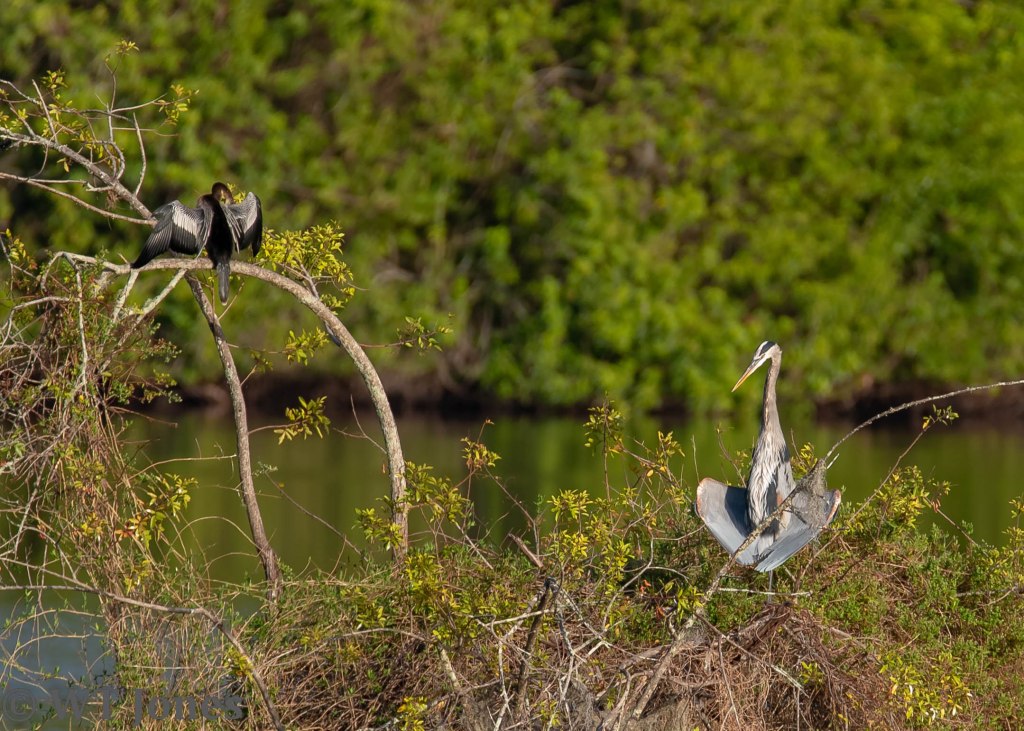
An Anhinga and Great Blue Heron compare wing display techniques.
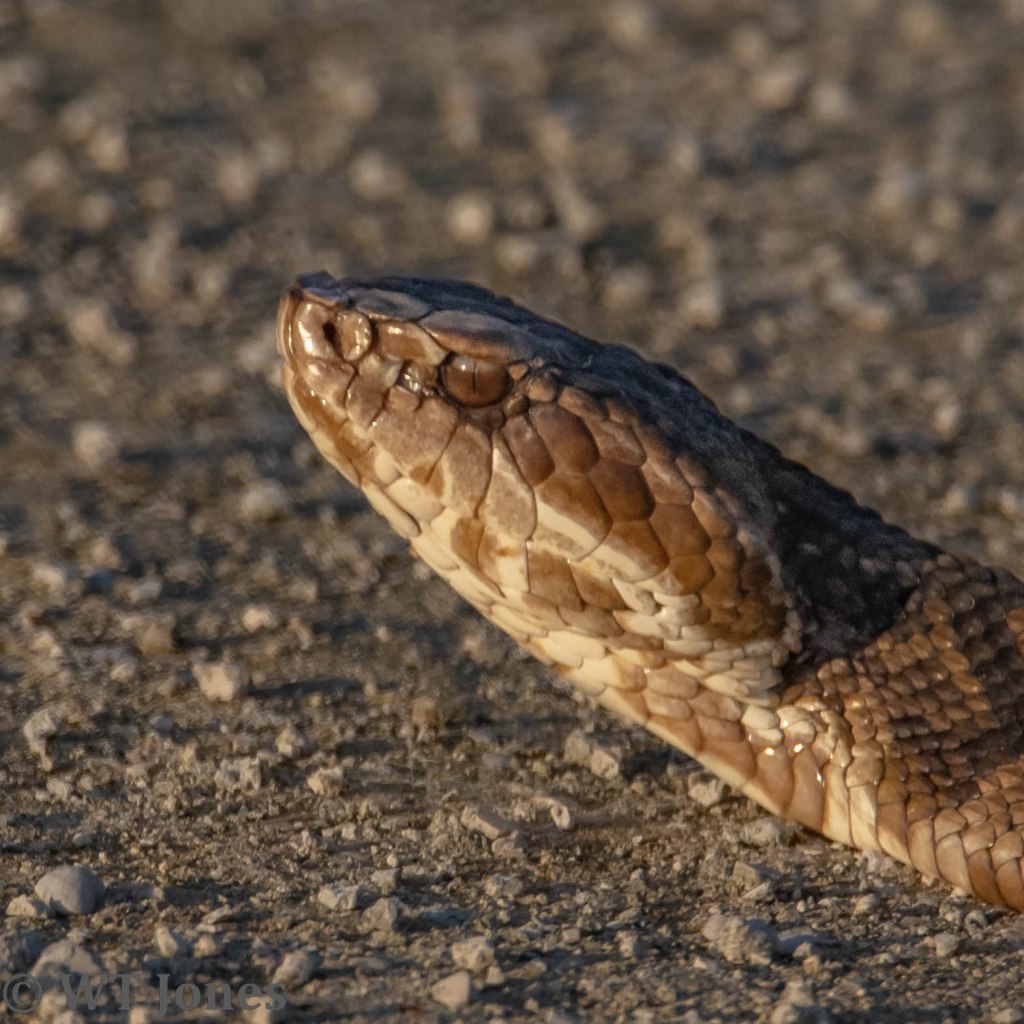
A warm sunny afternoon is not only welcoming to explorers, but a Water Moccasin (Agkistrodon piscivorus) thinks the road is just fine for soaking up the last rays of the day. I suspect he just had a meal as he didn’t move at all when I came a bit closer to get a photograph. Normally, they disappear very quickly.

Making hay while the sun is still shining. Mrs. Phoebe finds the top of this bale just perfect for spotting any movement in the field below.

Our patch does not contain much in the way of shallow wetlands or marshes, but a pair of Wilson’s Snipe decided a small drainage ditch by the side of the road to be quite suitable for foraging. These are also winter visitors.

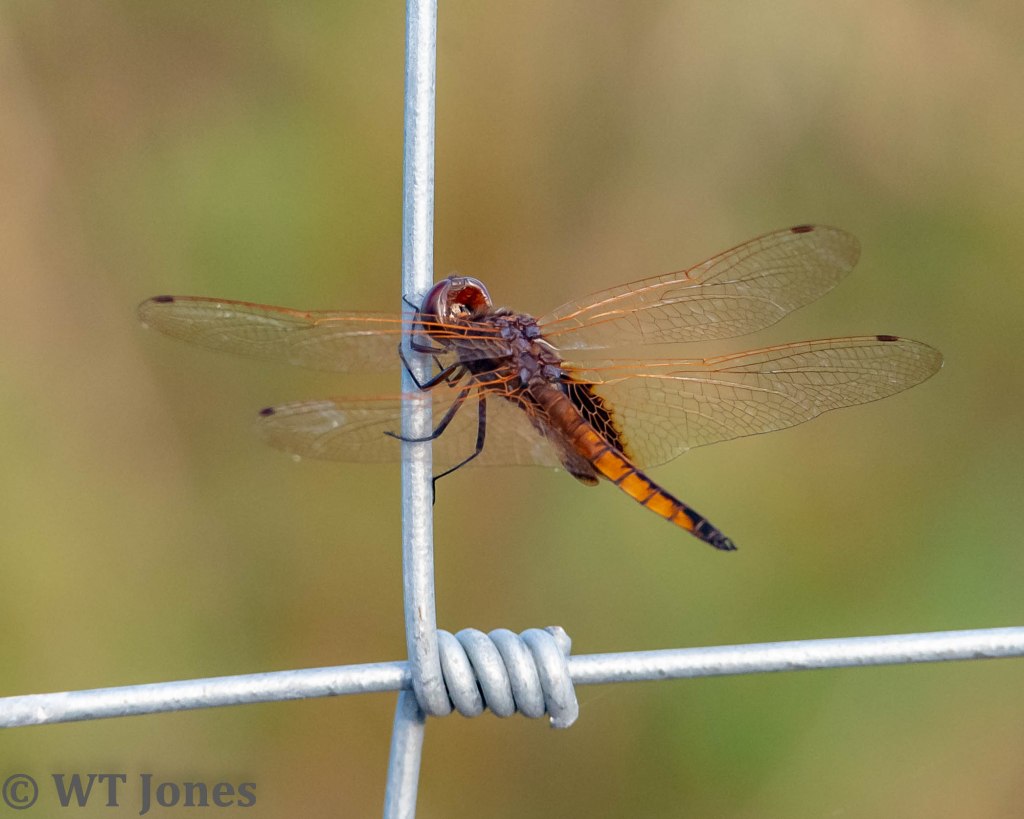
There were not a lot of dragonflies flitting about, but a few got our attention. This bright male Hyacinth Glider (Miathyria marcella) even perched for us. They typically remain airborne forever it seems.
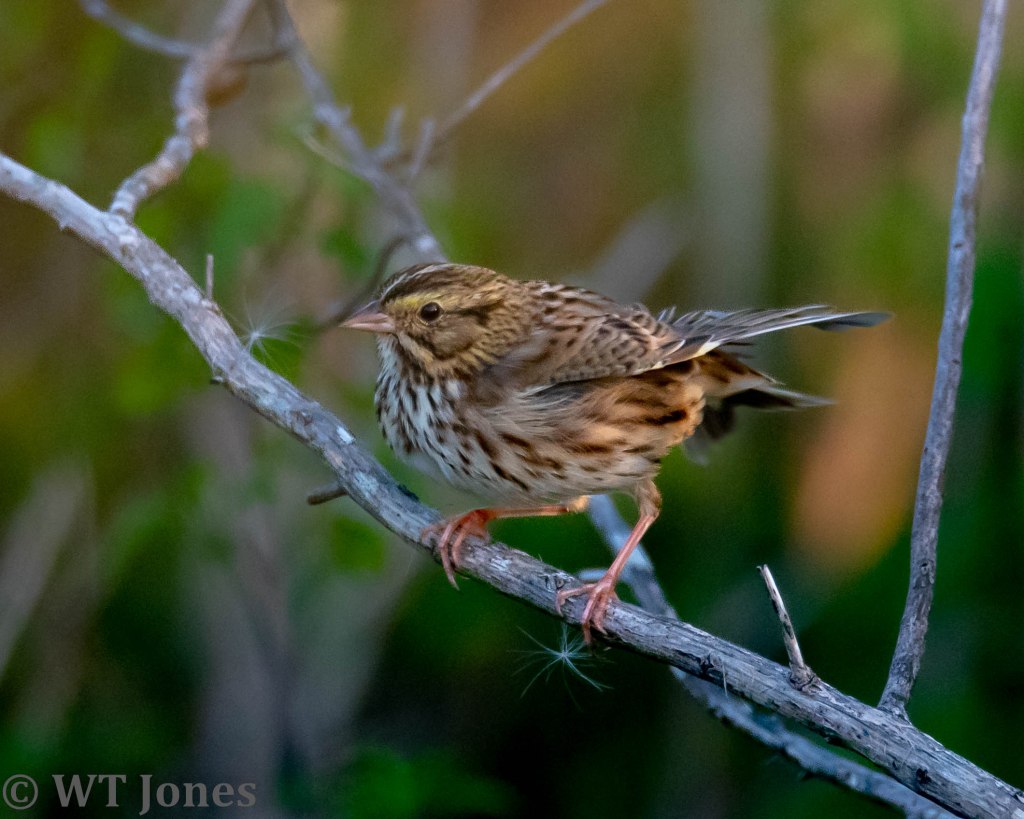
Yet another of our fall/winter tourists is the Savannah Sparrow. The light was beginning to wane but we could still enjoy the bird’s warm brown plumage and the bit of yellow in front of the eye. This bird was part of a group of six other sparrows which were part of a group of 20+ Palm Warblers. Fun!
A movement in a cypress tree turned out to be a Raccoon illuminated by the setting sun. We told her we meant no harm but I think she felt better once we departed.

As we reluctantly prepared to head home, the sun twinkled through the trees and a lone little cloud appeared above the lake. Was this the beginning of our cold front?

Autumn was ending. Winter was ravishing the lands to our far north. We appreciated a warm and rewarding calm afternoon before the storm.
Enjoy your search for a natural place and come back for a visit!
It’s that time of year when we sweep out the old in preparation for the new.
In a dusty corner of the archive closet, covered in cobwebs deposited by Halloween goblins, I found a few images which need to be shared. Hope you don’t mind.
We gave ourselves a treat on All Hallows’ Eve this year and spent the morning poking around another of the gems which makes up the Tenoroc Fish Management Area, the Long Lake tract. The lake is about one mile long and less than 600 feet across at the widest point. It is bound on the north by residential development, on the south by industrial warehouses and on the east and west by busy roadways. Within the tract, there is a nice oasis of pine woods, a small pond in addition to Long Lake, hardwood trees along the lake shore and a small wetland with a lagoon on the tract’s northeast corner.
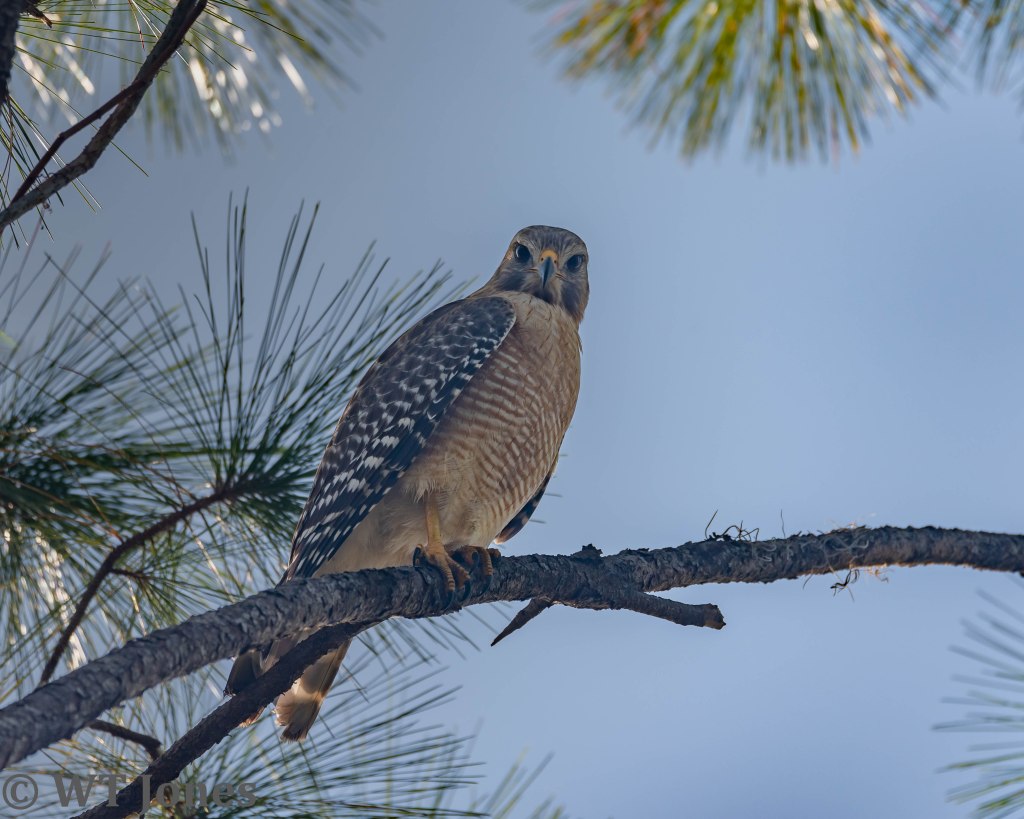
Typical Florida weather for this time of year found us enjoying high humidity with heavy dew, little wind, mostly sunny skies and by 11:00 a.m. temperatures around 80 F (27 C). Halloween spirits prevailed and we discovered a plethora of spider webs at each stop and even a few of the construction engineers hanging about. Common Gallinules fussed as we interrupted their breakfast. Boat-tailed Grackles threw back their heads and let loose with raucous calls from high atop utility line support towers. Evidence of the ongoing fall migration manifested in myriad warblers in the weeds and trees. We saw our first of this season’s Yellow-rumped Warblers. A Red-shouldered Hawk was uncharacteristically silent as he peered down from his perch.
A morning such as this far surpasses any sugary treat we may have received from our neighbors. And we didn’t even have to wear a costume.
Belatedly – Trick or Treat!
Our sub-tropical environment allows us to enjoy many insects later in the year than some other locales. An immature male Roseate Skimmer (Orthemis ferruginea) begins life looking like the female and in a couple of weeks will assume the purplish hues of an adult male.

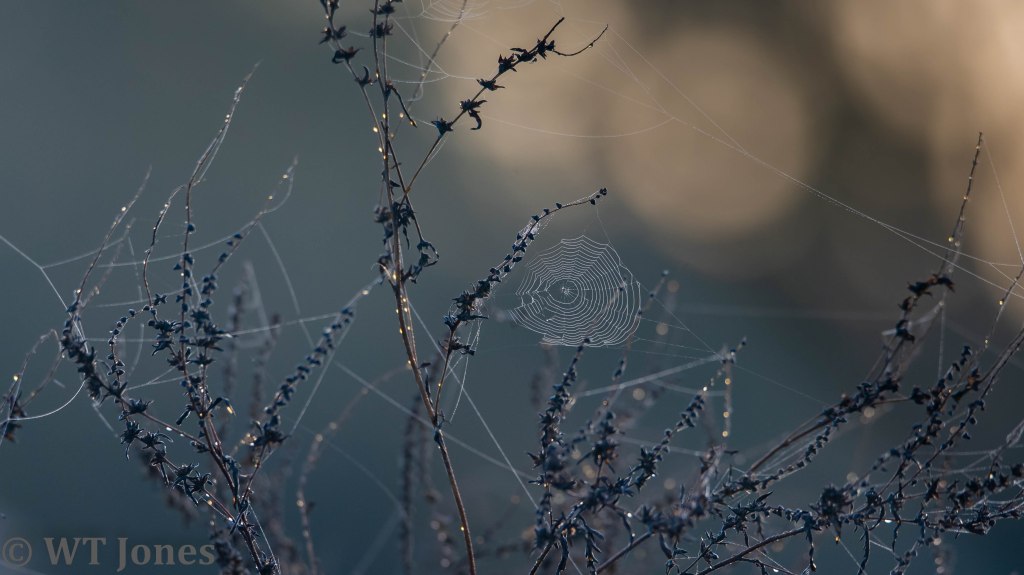
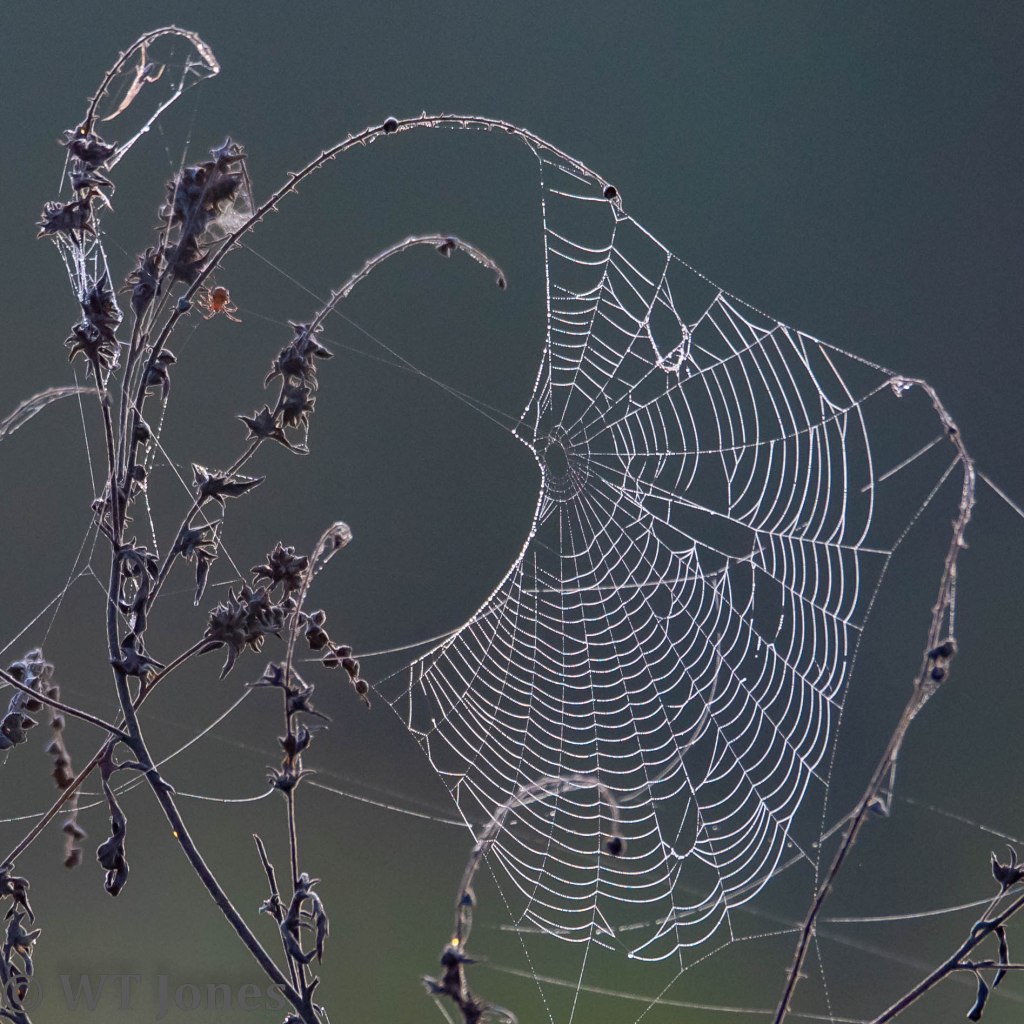
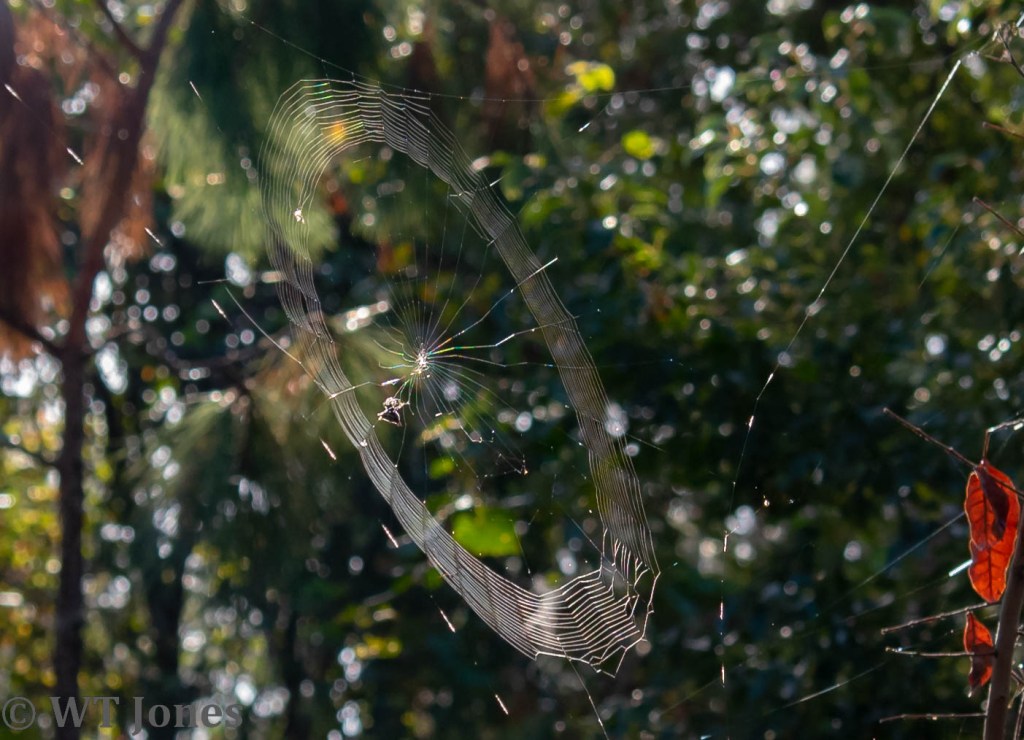
Spider webs sparkle with drops of dew in the early morning light. These webs may have been made by one of the Spotted Orbweavers (Neoscona species). In the second image, you can see one of the builders in the upper left.
Small and stealthy, a male Common Yellowthroat is curious what I’m doing tramping around in his weed patch.

I know we have plenty of bugs at this time of year, but I was still surprised to find a pair of Rambur’s Forktail (Ischnura ramburii) in the forest understory. These damselflies have four different color variations depending on sex and age.


Palm Warblers are among the first songbirds to show up as fall migration begins. They almost constantly pump their tales up and down which helps identify them even at a distance.
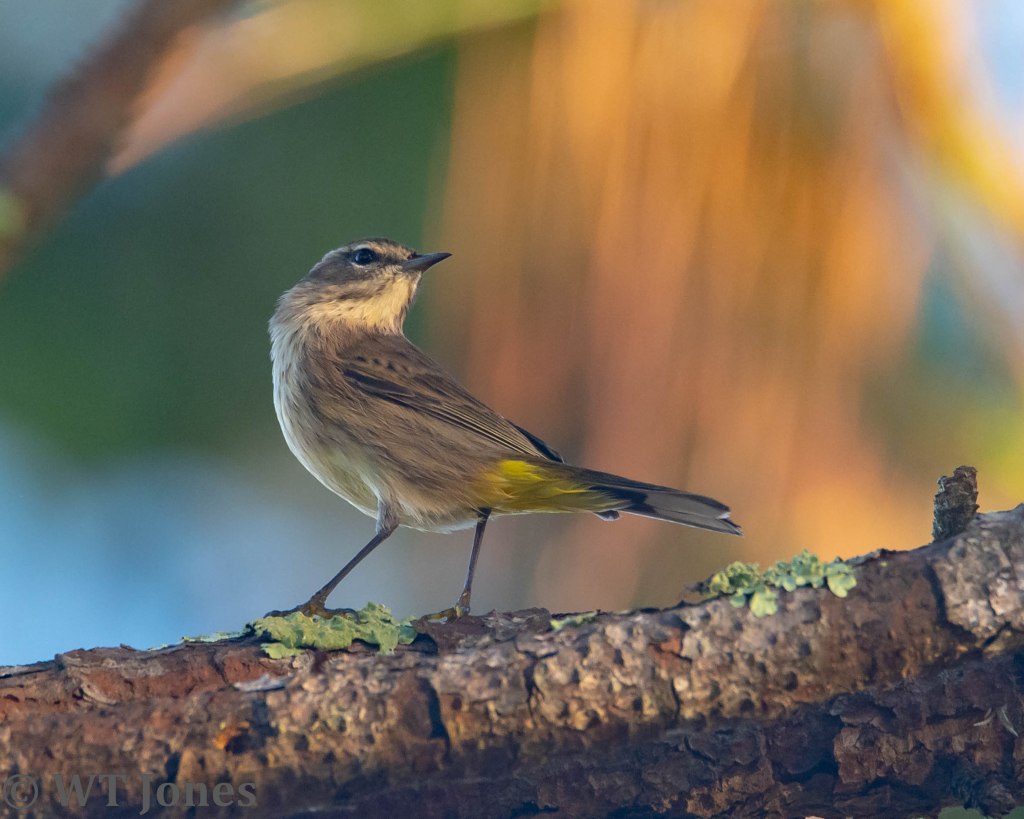
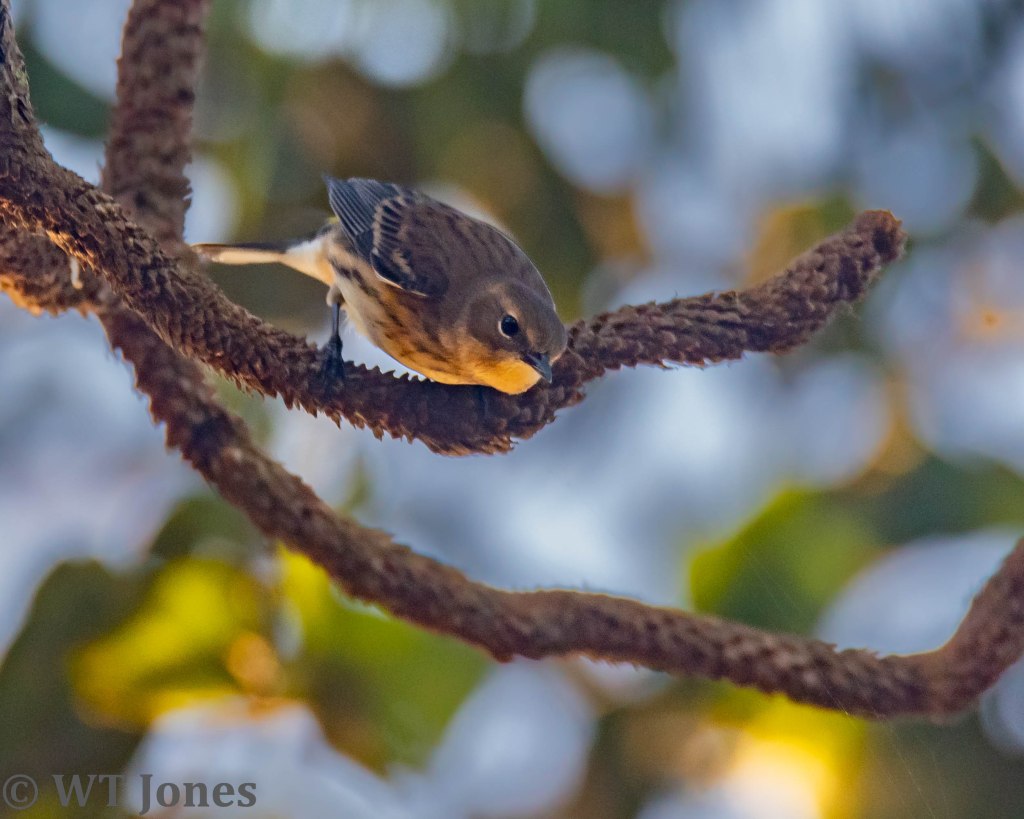
Our first Yellow-rumped Warblers of this fall were very busy at our initial stop. They were scooping up all the insects they could find in the trees and the willows along the shore of a small pond.
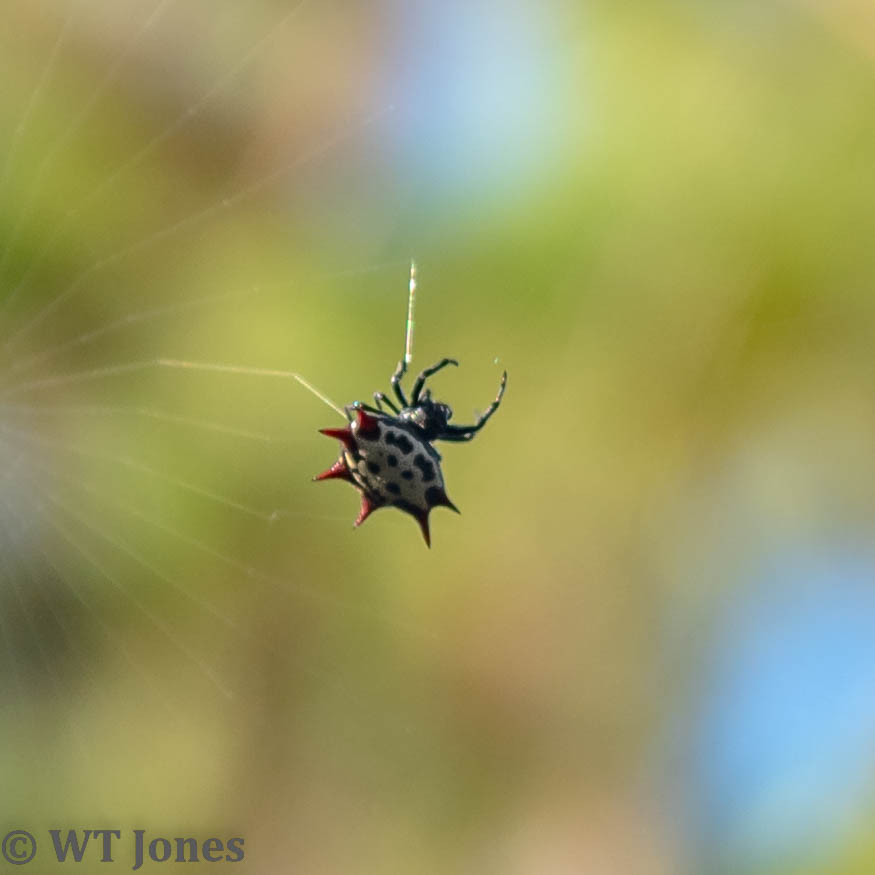
Small size, big thinker. The small Spinybacked Orbweaver (Gasteracantha cancriformis) often spins fairly large webs during the night. This one easily spanned over two feet in diameter.
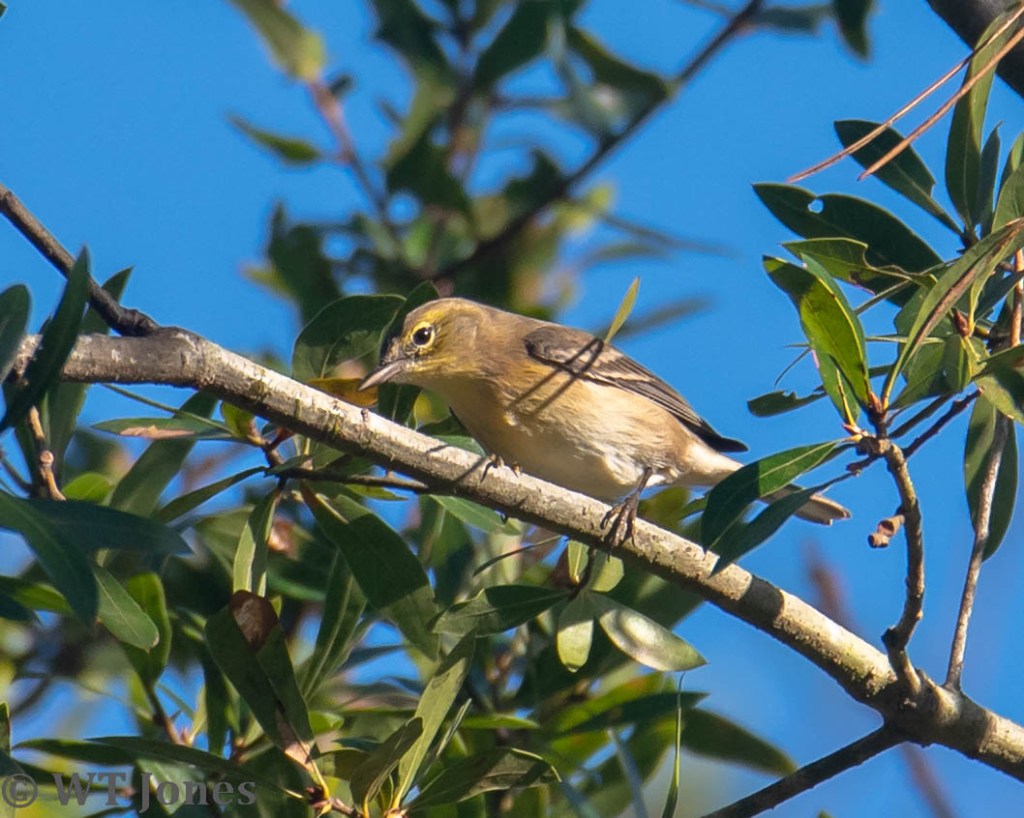
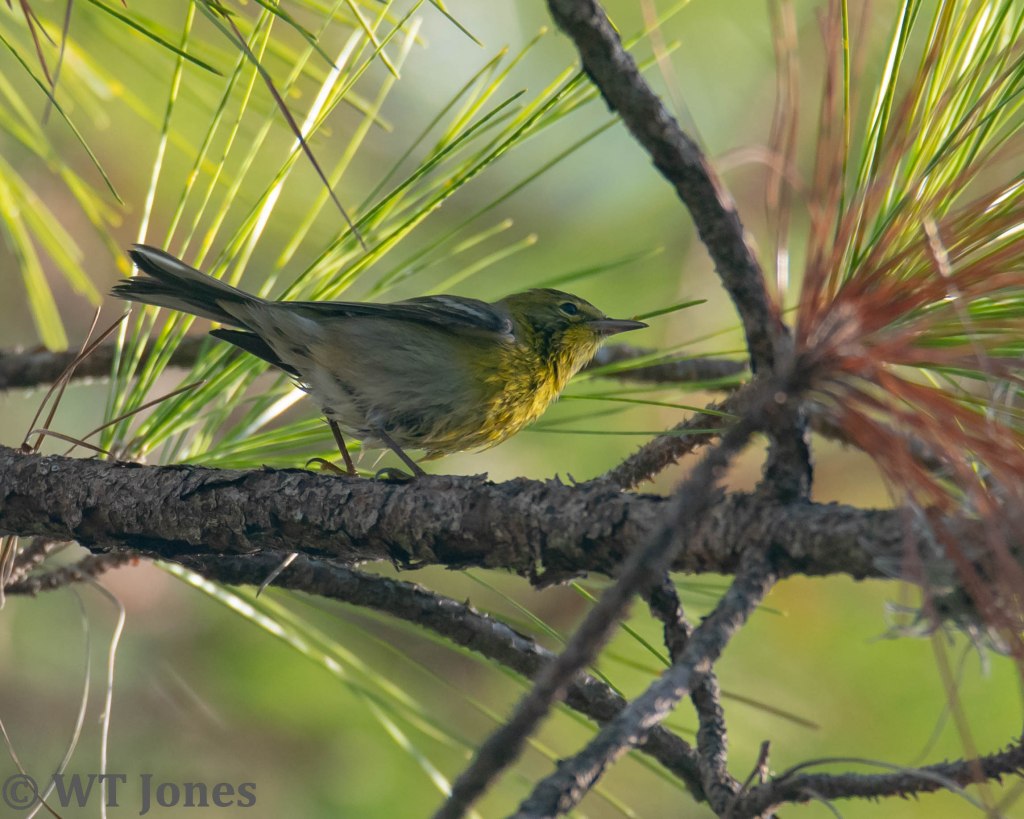
Pine Warblers can vary widely in appearance. The first photograph shows a fairly pale individual while the second has more yellow.
There are three species of the Leucauge genus of spiders found within North America. This genus is part of the Longjawed Orbweaver Family (Tetragnathidae). The first image is L. argyrobapta and the second is L. argyra. The third species, L. venusta, has been determined to not inhabit Florida. These three species have been referred to as Orchard Orbweavers or Orchard Spiders. Within N. America, L. argyra has been found only in central and south Florida. (There will be a test!)
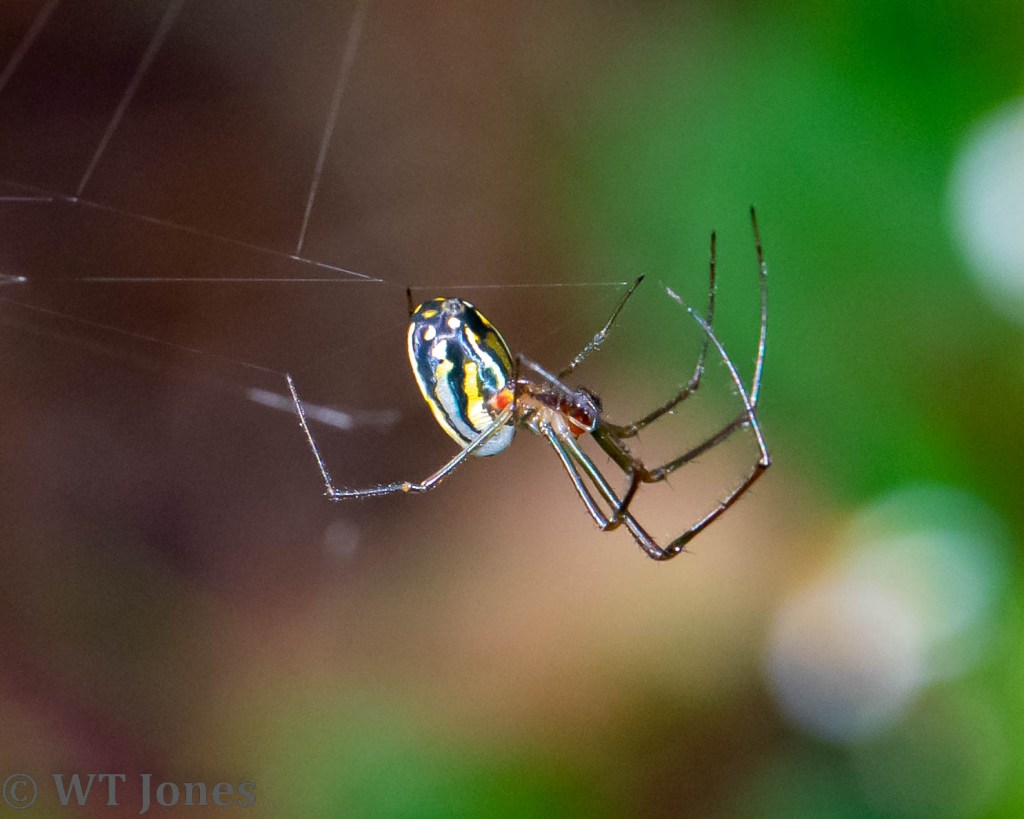
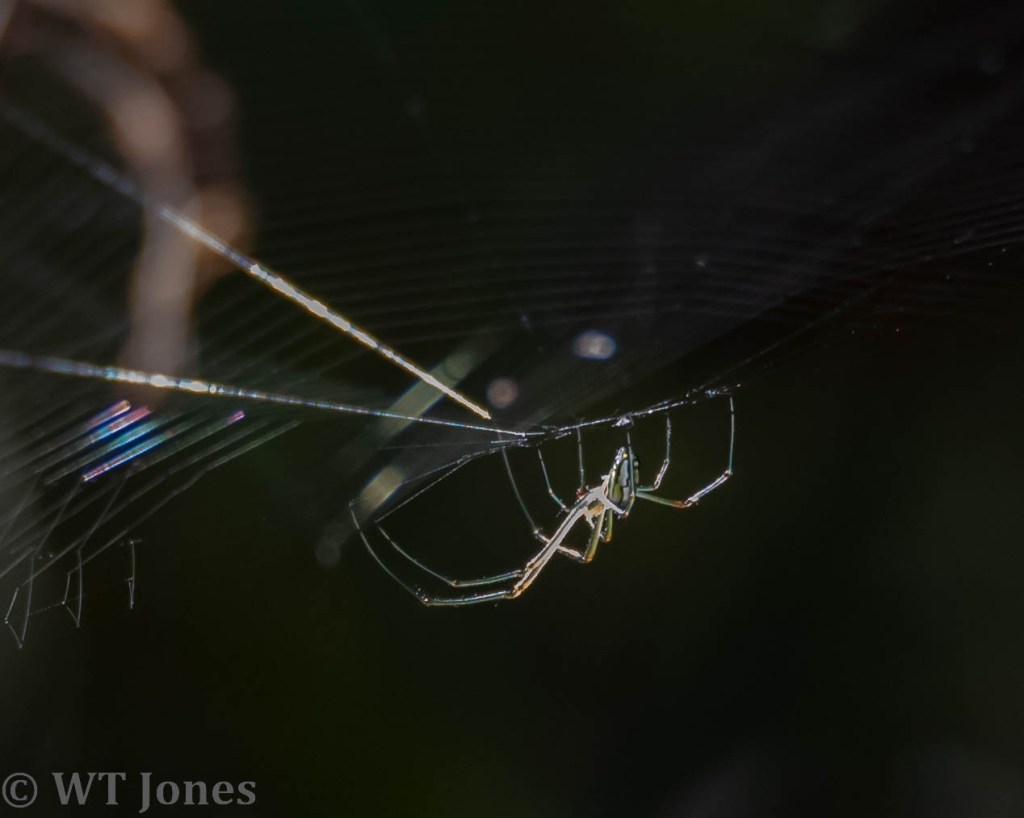
Scooting down a tree trunk like a nuthatch, a Black-and-White Warbler proves one does not need a lot of different colors to be beautiful.

Ever have that feeling that you are being watched? As I glanced up, a Red-shouldered hawk was intently monitoring my movements.
Our Halloween was filled with so many wonderful treats this year! Excuse me, but I must return to the archive closet. I just KNOW there are more treats to be found!
Enjoy your search for a natural place and come back for a visit!
“Are you sure you feel like going out this morning?”
I got one of those looks that needed no words.
It was a logical question. Gini and I are emerging from over two weeks’ worth of some sort of flu. Not quite back to 100% yet, I was concerned she might still be a bit too weak to go chasing birds. Her common sense self advised that sunshine and fresh air would likely accomplish much more than some pill. Again, I point to my genius as evidenced by my choice in a life partner.
Some years, it is difficult to tell if Florida is in “autumn” or just an extended summer. There are hints. We actually have a few species of deciduous trees which drop their leaves beginning in October. Morning temperatures may decline a couple of degrees. Relative humidity has been known to ease below 50%. Then there are our seasonal visitors.
We begin seeing three times as many out-of-state license plates as usual. “Snowbirds” arriving en masse present challenges in driving and downtown parking. The economy is replenished.
In addition to the annual migration of snowbirds, the fields and forests and lakes become more colorful and noisy as a steady stream of actual birds escape the cold temperatures of their breeding grounds. Most of the avian travelers stop for a rest and a bite to eat and press on to sunny summer in Argentina. Some will choose to remain in our area all winter. In a few days, they will question the wisdom of that decision as we are scheduled for near-freezing temperatures. Good news, feathered friends! This is Florida! The cold will only last a short while. Honest.
Our morning was purposefully short, despite the whining objection about heading home. She knows I had her best interest at heart. Maybe.
Most of today’s sightings were from the vehicle. I got out a few times to try and get better photos but we had a really pleasant drive. Fresh tangerines were tasty and added a bit of Vitamin C to our systems.
Once upon a time, this season was known in the English vocabulary as “harvest”. As humans began to leave farms for cities, someone (probably a poet) began referring to this time as “autumn”. It wasn’t long after that someone else (probably another poet) talked about the “falling” leaves and we lazy humans shortened that reference to the “fall”. At some point, a bunch of folks thought it would be great fun to get in some wooden boats and see if they could find a new neighborhood. They did. Eventually, these “Americans” either couldn’t pronounce the word “autumn” (what’s the deal with that “n”?) or we/they just wanted to be contrary and have mostly referred to this time of year as “fall” while our erudite cousins in the very Great Britain preferred “autumn”. There you go. The complete and no doubt accurate etymology of our seasonal linguistic divide.
Herewith a few of Florida’s “fall” flourishes.
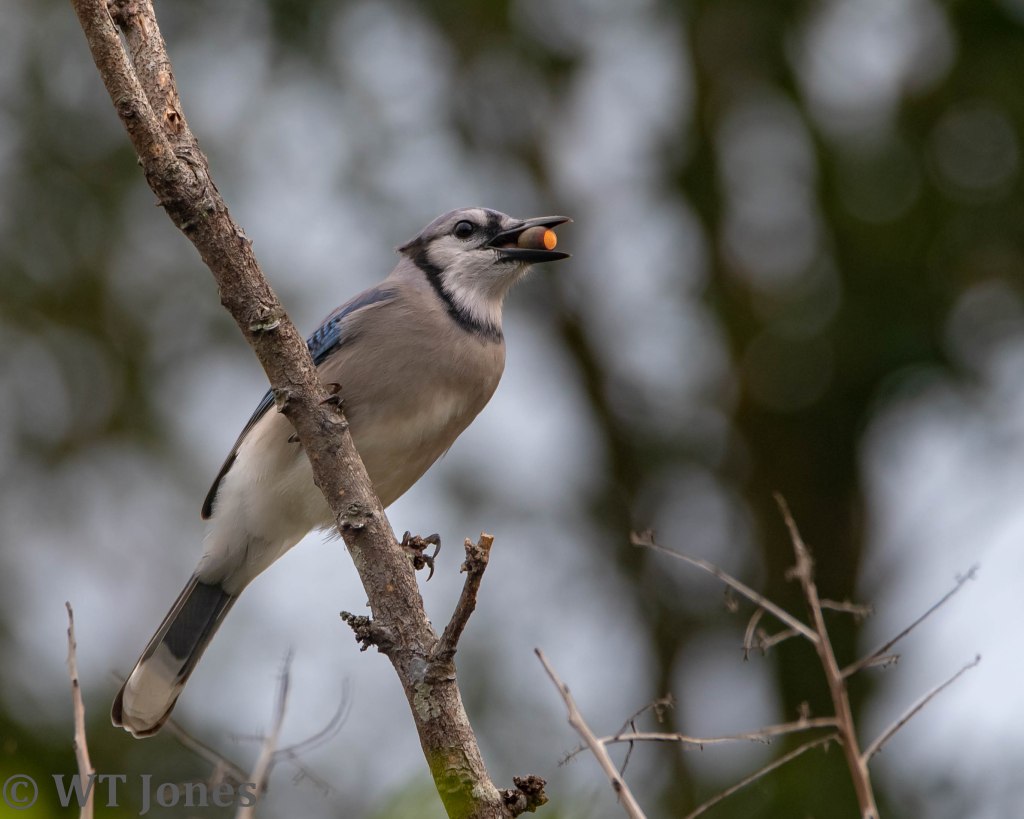
The Blue Jay is one of our most common birds and we all too often overlook its beauty. This one found a fresh acorn and may locate a crevice in a tree trunk to keep it in place while it hammers through the shell.
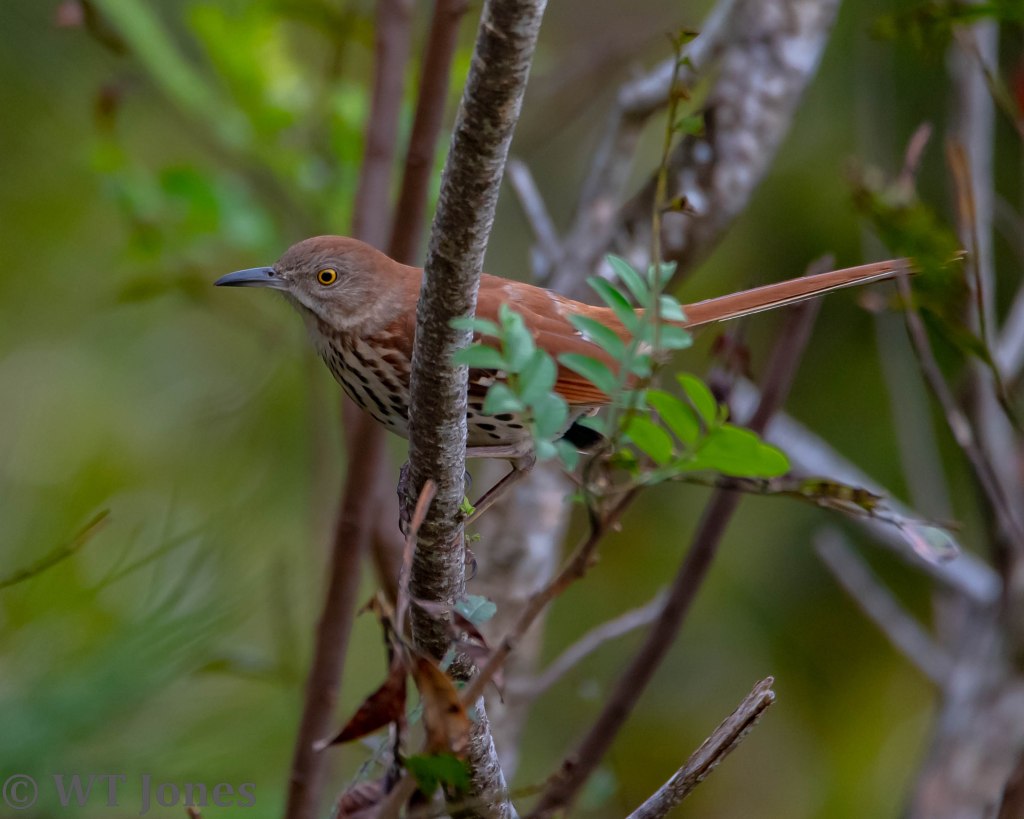
A bit larger than the Blue Jay and not nearly as common, the Brown Thrasher is surprisingly versatile in the song department. It has been reported the thrasher can sing over 1,000 different songs and may be a better mimic than the Northern Mockingbird. All I know is its rich brown plumage is a pleasant addition to the landscape.

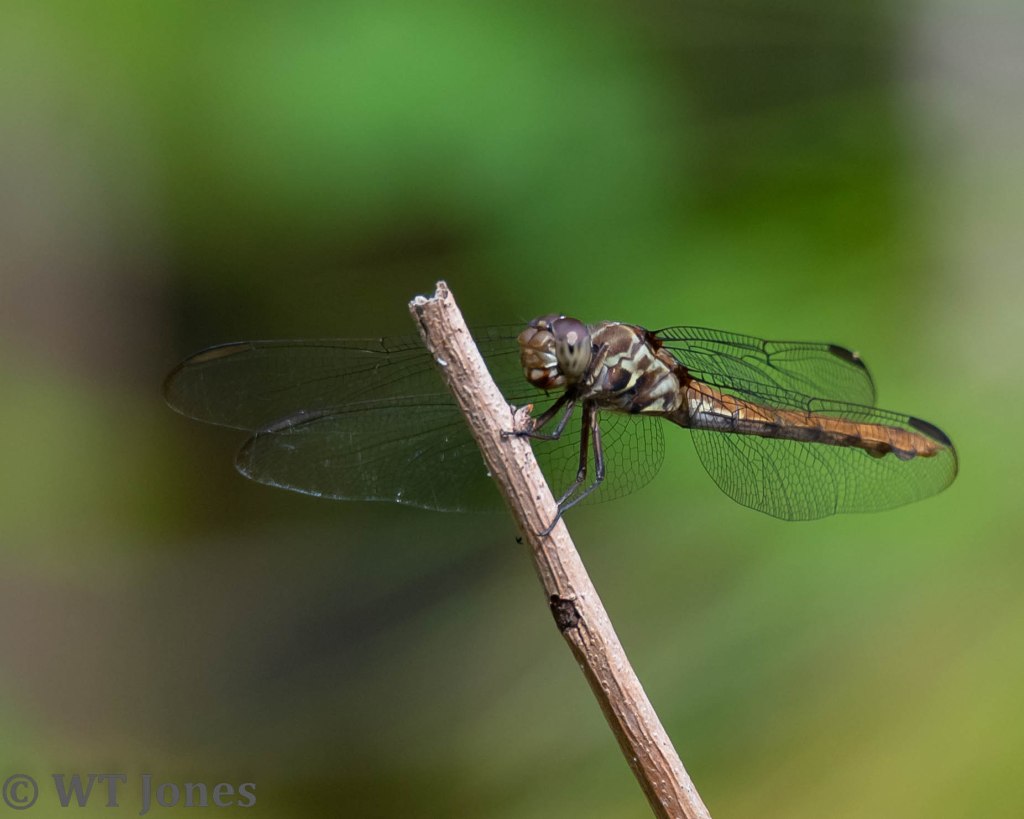
It may be autumn in Florida but we still enjoy our status as a sub-tropical habitat. We’re therefore able to enjoy late season insects such as mosquitoes and – more importantly – what we as kids called “skeeter hawks”. We encouraged this female Roseate Skimmer (Orthemis ferruginea) to get busy and devour as many of the blood-suckers as possible!
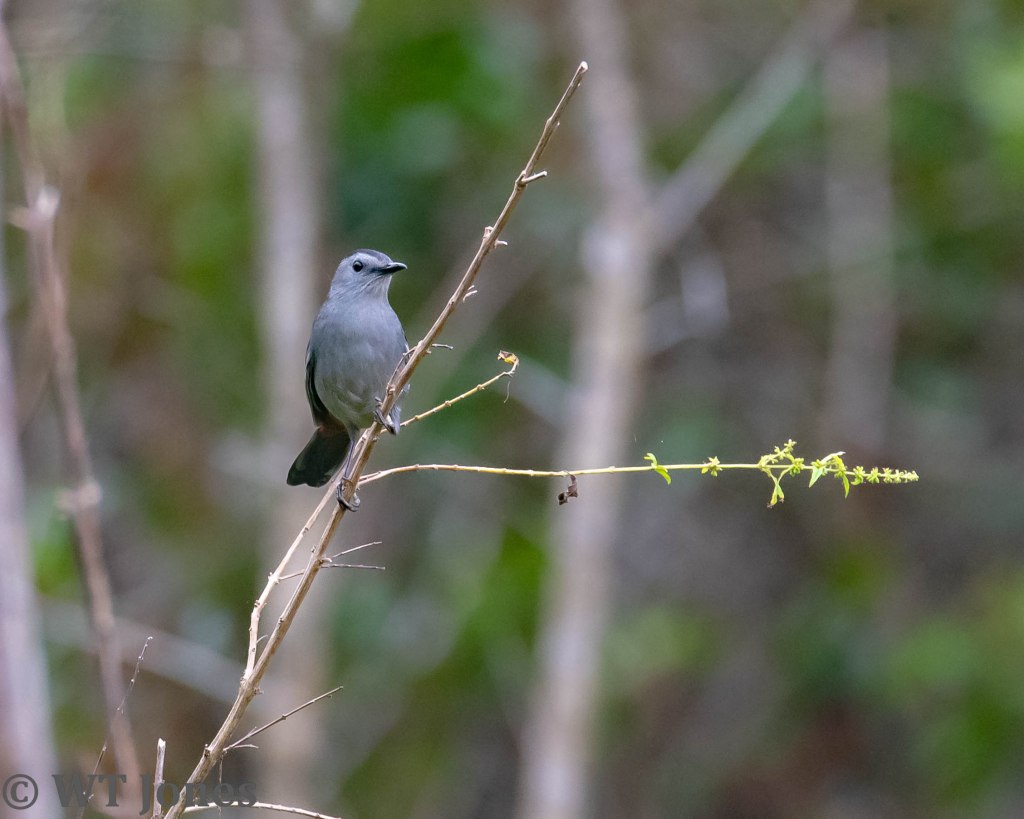
One of the migratory visitors which remain with us in fair numbers all winter is the Gray Catbird. We counted a dozen this morning calling from all sides of the road giving us the impression someone had abandoned several felines during the night.
We were entertained by this Blue-headed Vireo as it grabbed a caterpillar and smacked it on the limb several times to make sure it was adequately tenderized.

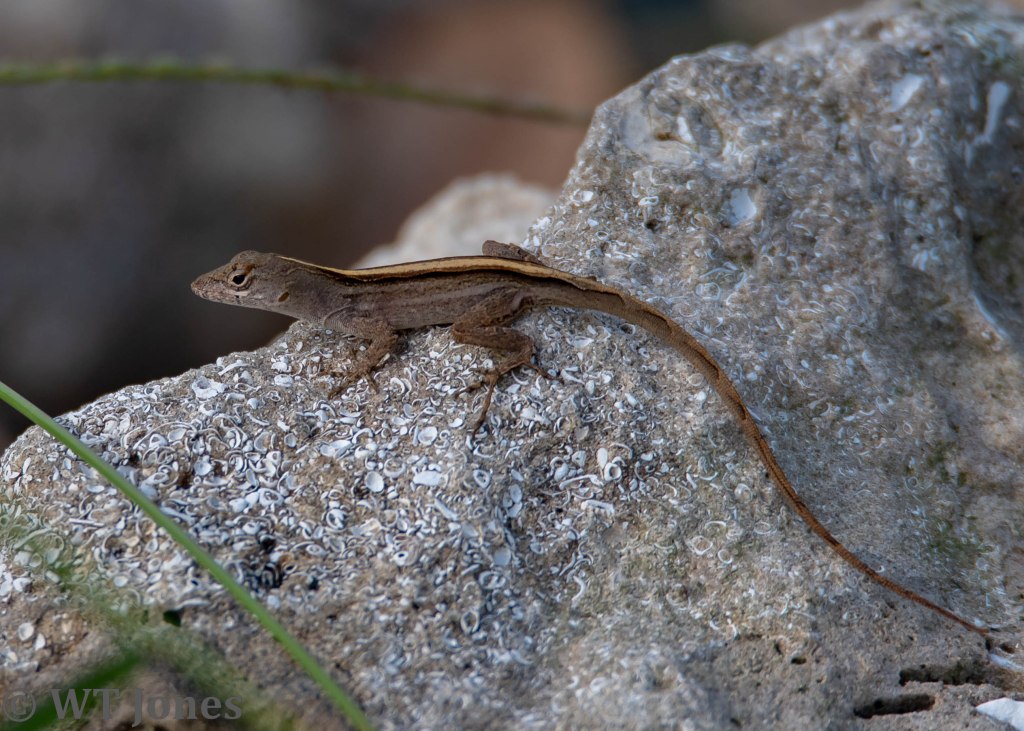
The colors and patterns on this Brown Anole (Anolis sagrei) indicate it is a female.
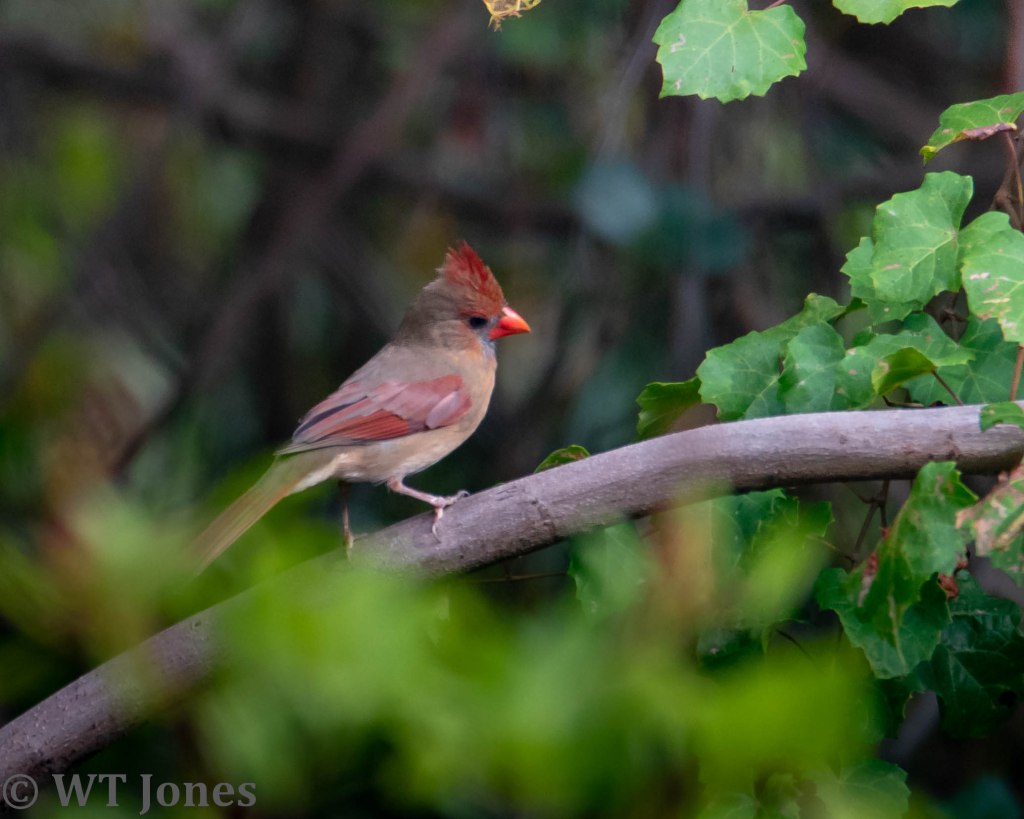
Another very common local bird we tend to look past (to our shame) is the Northern Cardinal. This female does not have the solid bright red appearance of the male but is very attractive in her own right.
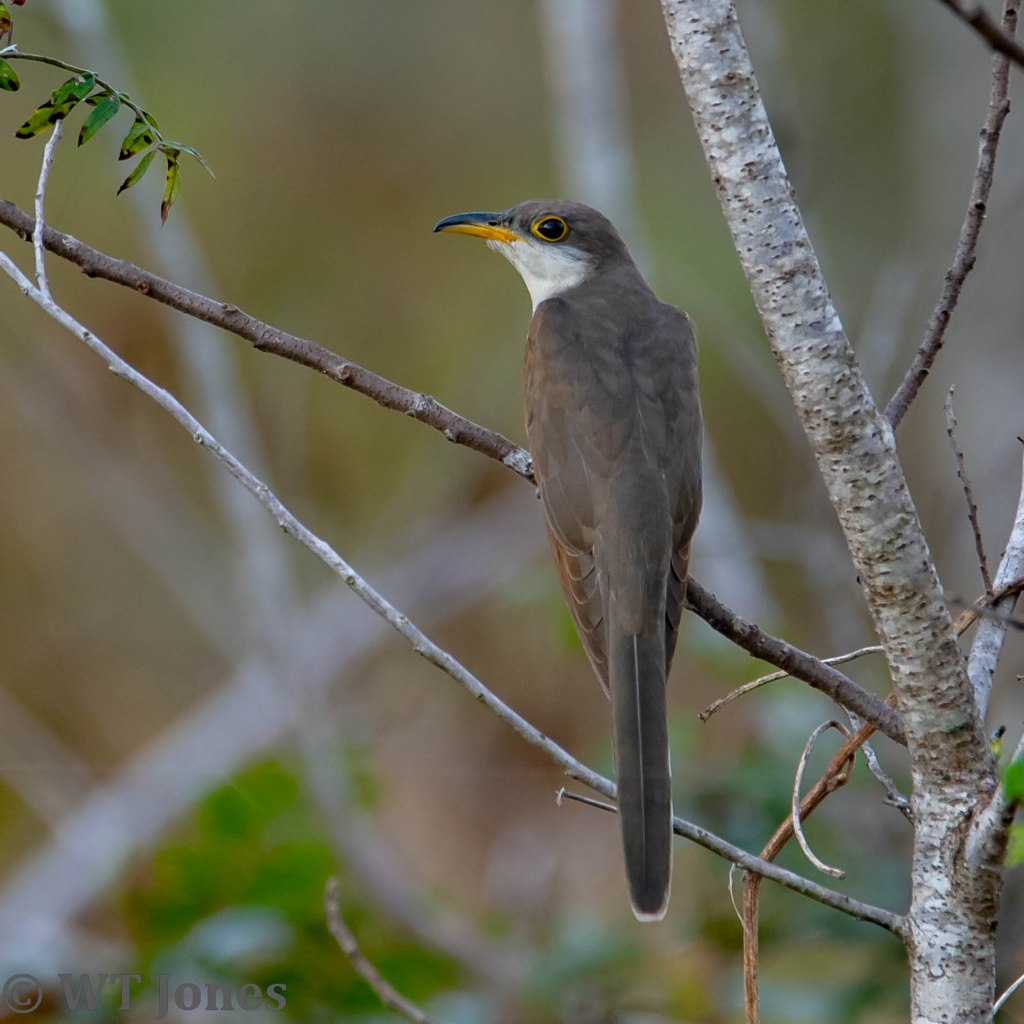
The highlight of the day for us was finding not one, but two Yellow-billed Cuckoos! This species breeds here but we also have migrants in the area during the fall. Normally they are quite shy and secretive. We found one feeding in the open and another quietly hanging about in a small tree.

More dragons! A bright male Blue Dasher (Pachydiplax longipennis) on the lookout for breakfast. Hopefully, it will include tons of mosquitoes.

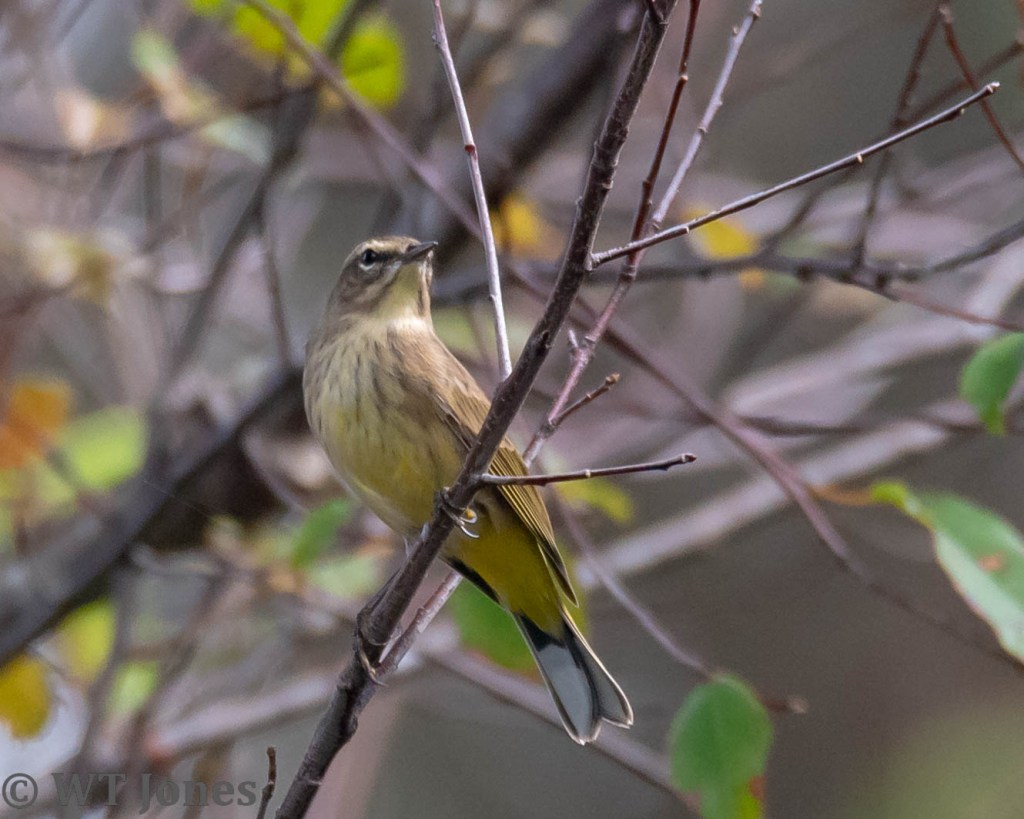
One of the most abundant migratory songbirds we see is the Palm Warbler. They are easy to identify even at a distance by their constantly pumping tails.
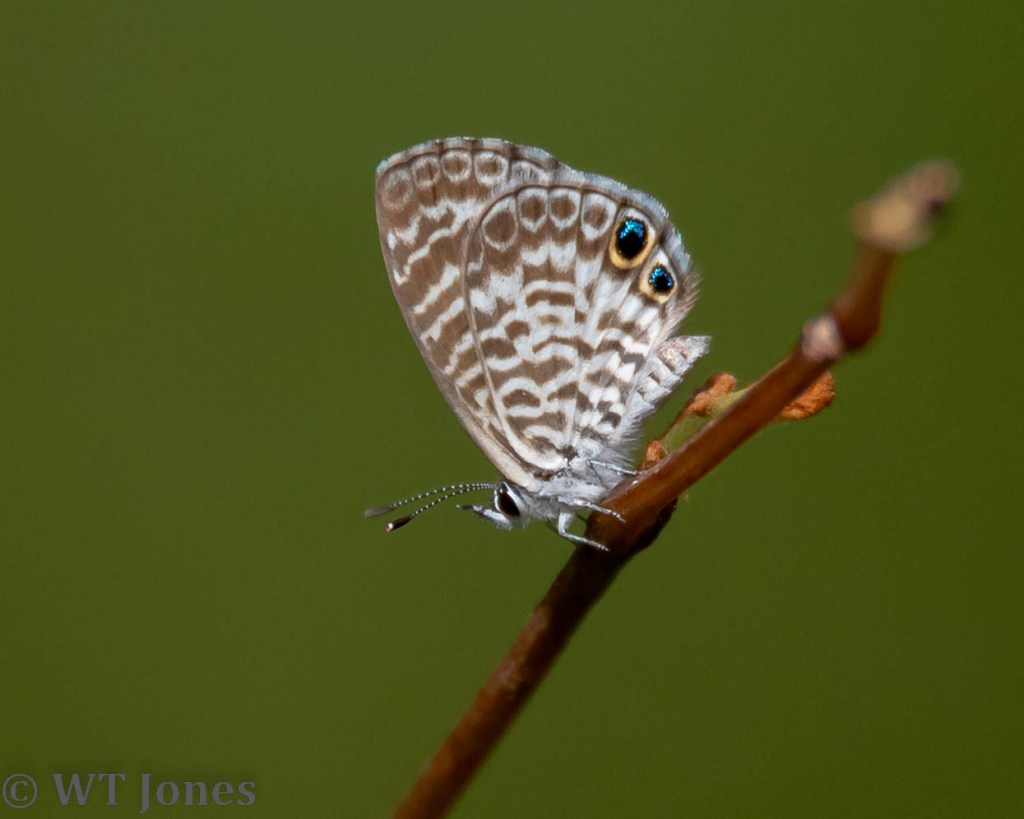
Not content with finding dragons, we came across several butterfly species. One which was kind enough to pose for a moment was the small Cassius Blue (Leptotes cassius). Their wingspan is about 3/4-15/16 inches (20-33 mm) and they don’t hold still for long.
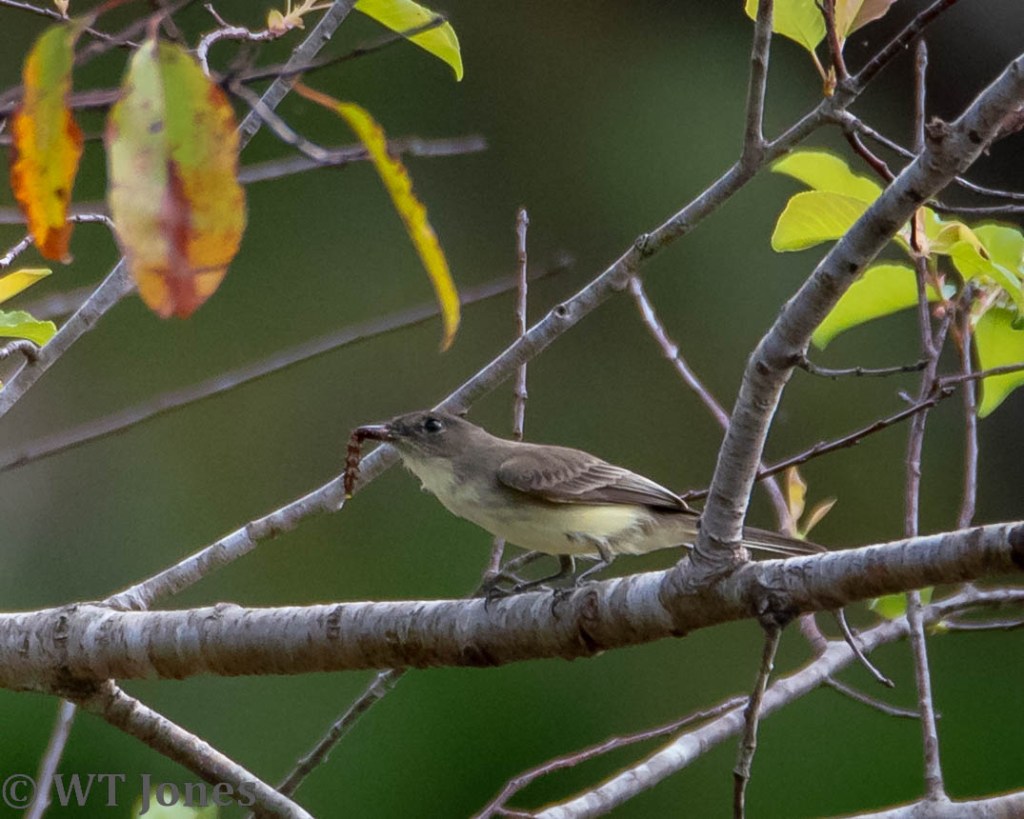
Another very common migrant which stays with us all winter is the Eastern Phoebe. Not only do they consume a lot of insects, they obligingly yell out their name for us. “Pheee-Beee“!
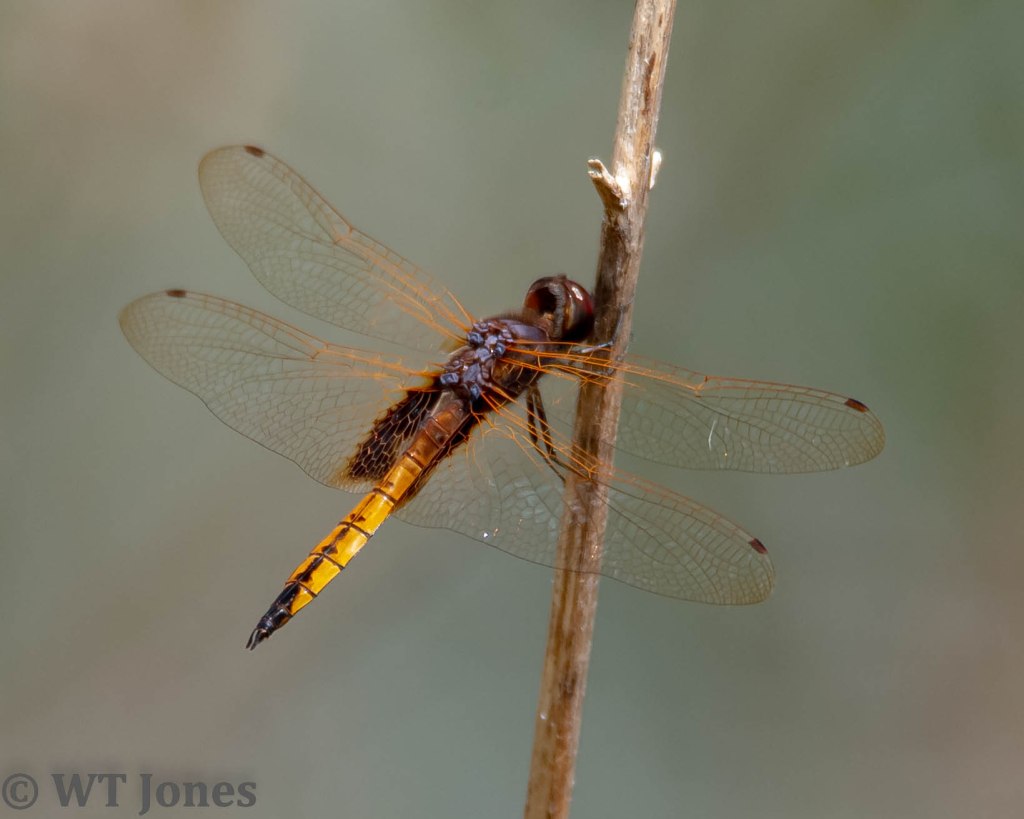
One more bug hunter was kind enough to allow a picture. The male Hyacinth Glider (Miathyria marcella) doesn’t perch often and when they do it is usually at a 45 degree angle as opposed to 90 degrees preferred by others in the skimmer family.
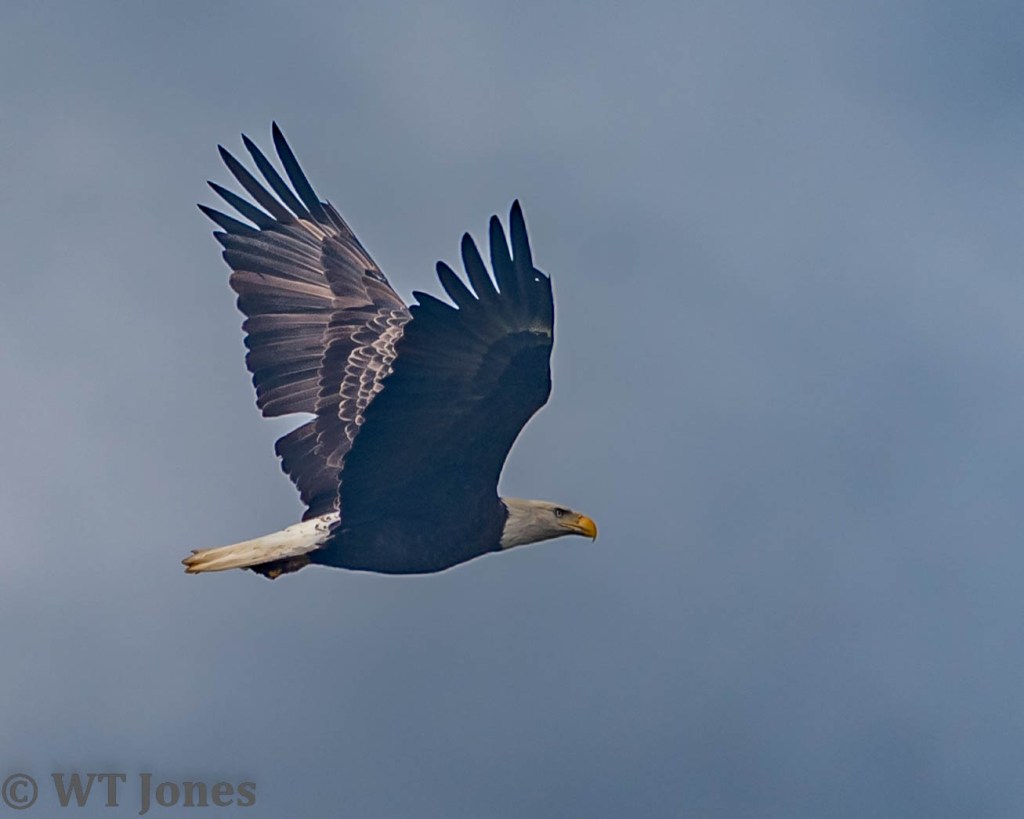
A quick fly-by of a Bald Eagle concluded our abbreviated morning outing. We appreciated it.
Call it autumn or fall or harvest. It is a good time to be outdoors. Migration brings diverse visitors. The landscape undergoes changes. Fresh air and sunshine provide healing for the body and the soul.
Enjoy your search for a natural place and come back for a visit!
My Dad was a builder of homes. Much like any kid, I valued those days I rode along in the pick-up truck to a job site. The sights, sounds and smells of a new house being built can be pretty heady stuff for an eight-year old. I didn’t know it at the time, of course, but by far the most significant part of the experience was time spent with my Father.
On the way home from a job one day, Dad pointed to a huge billboard advertising “Buy A Piece of Natural Florida!“. He said, “See those trees beyond that sign? Those are cypress trees. They can’t grow if their roots aren’t constantly wet. What do you think will happen when folks try to build houses out there?”
Within 10 years, almost no homes had been built in that spot and those which had, needed a lot of fill brought in to create a suitable foundation. Even then, each summer their houses were surrounded by water. “Nature gives us hints”, Dad said. Wise man.
We surveyed the pine woods. Gini has the eyes (and skills) of an artist and her perception of a scene is usually different than mine. I see dead snags which might harbor a Red-headed Woodpecker nest. She sees the different shades of green pine needles and textures of overlapping bark of the trunks. I observe the dense growth of Saw-palmetto beneath the pines. She marvels at the dull green color of the fans and spots tendrils of several species of vines in the undergrowth.
“Nature gives us hints.” A Great Egret stands motionless, patiently waiting for the frog to make a move. The large white wading bird’s presence in the middle of a pine forest may seem incongruous unless one is aware that this area is pock-marked with shallow pools throughout most of the year. Without that knowledge and without the “hint” provided by the egret, one is destined to end up with wet feet.
Our morning was absolutely glorious! No birding checklist, no agenda. Observe. Breathe. Absorb.
In his 1836 essay, Nature, Ralph Waldo Emerson wrote: “Nature always wears the color of the spirit.” If we are depressed our view of the woods may focus on the dead leaves. A cheerful attitude may enhance our enjoyment of the varying hues of those same leaves.
We know we are not normal. Our over-the-top zest for life has been known to actually annoy friends and family. Nature seems to appreciate our attitude and always manages to wear the color of our spirit.
Grab your sunglasses. It’s about to get bright in here.
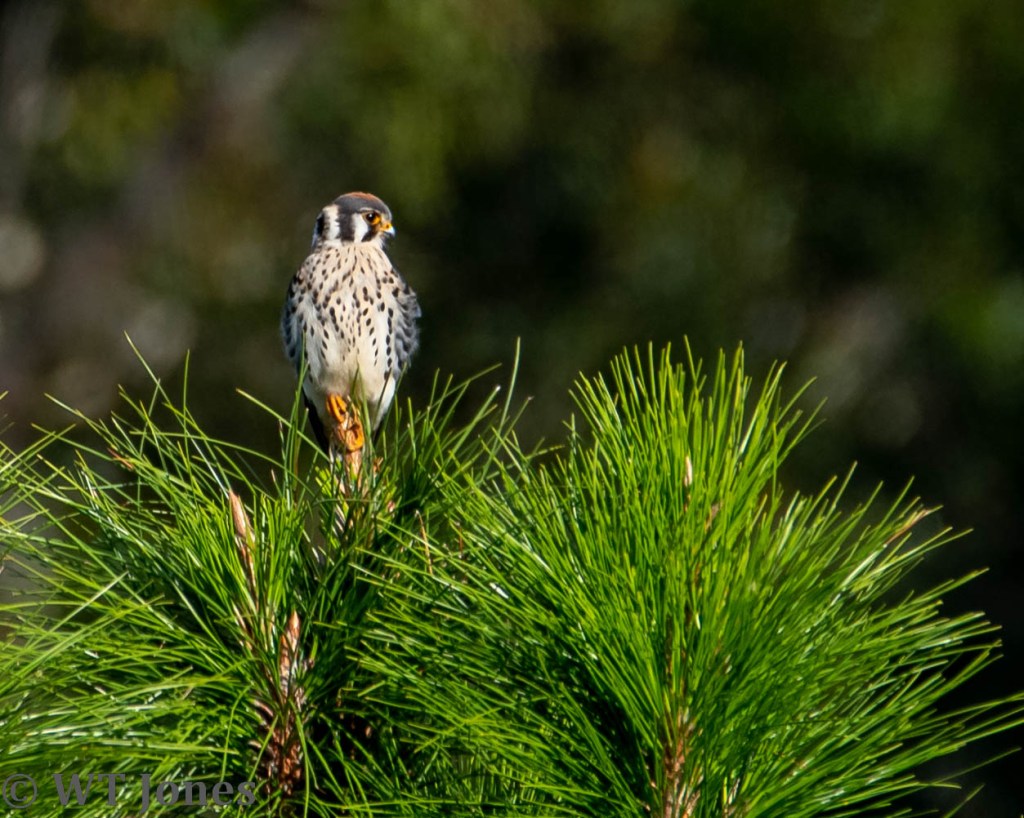
The American Kestrel is North America’s smallest falcon. Bright facial stripes, crisp spots on a light breast and yellow legs really stand out while perched on a bright green pine tree.
Rays from the sun were captured and reflected in waves of sunflowers. Narrowleaf Sunflower, or Swamp Sunflower (Helianthus angustifolius) can grow to four or five feet in height and spread several feet in width. The results can be some pretty spectacular yellow vistas.
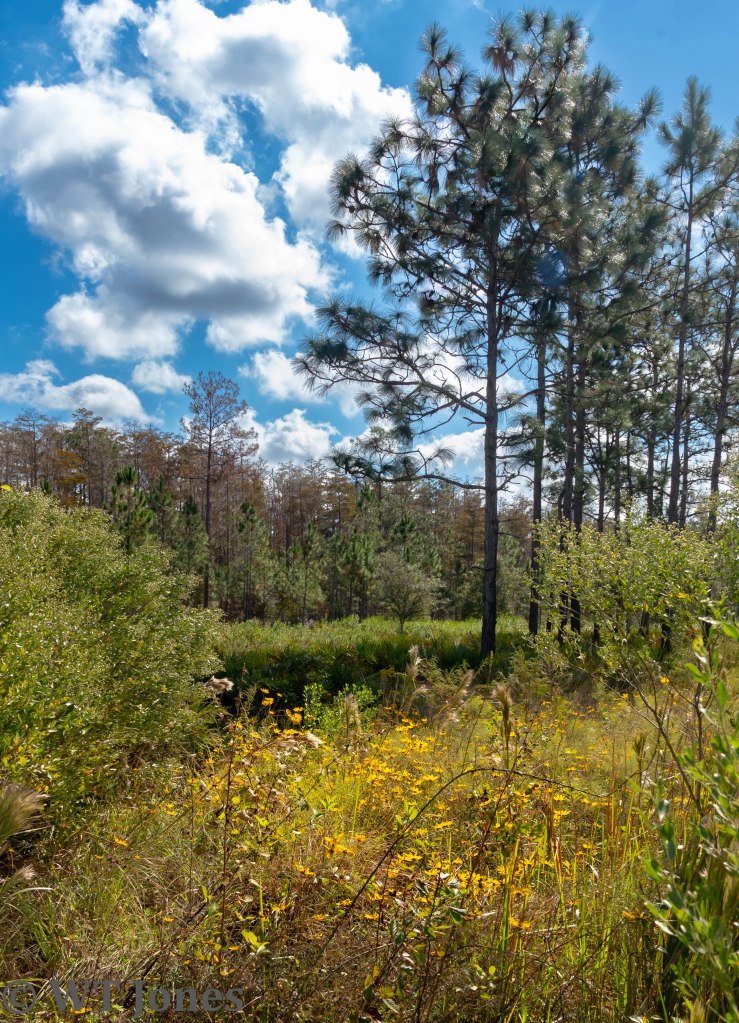
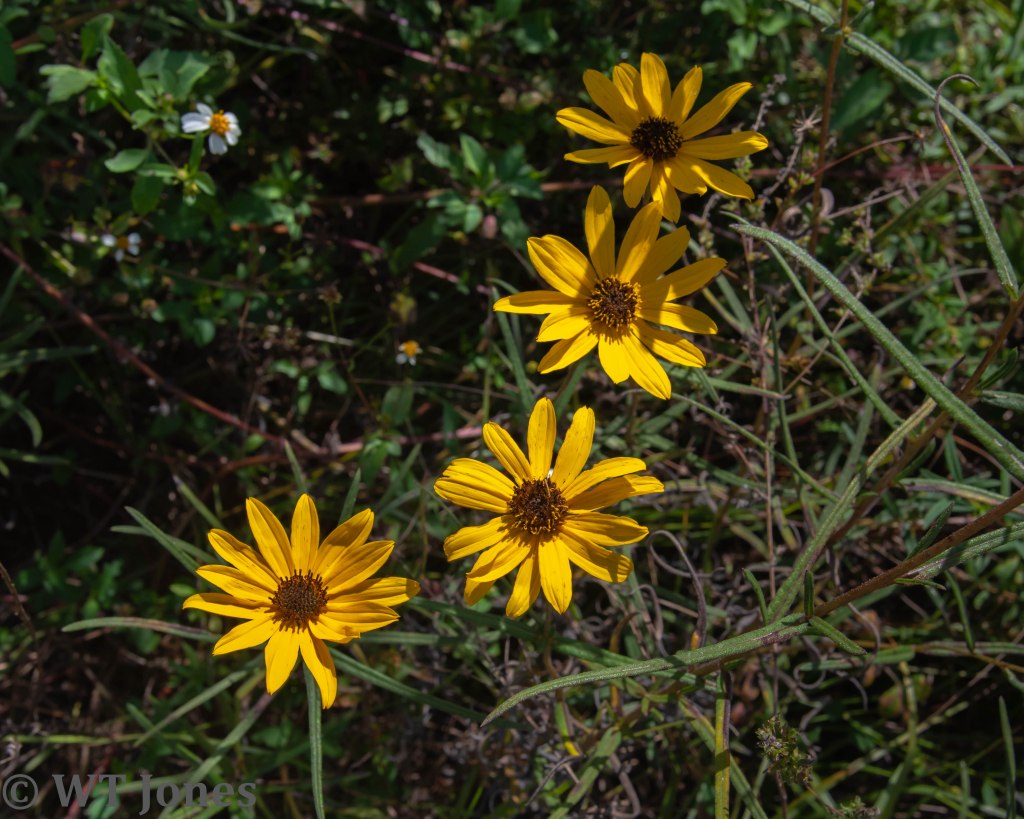
That Great Egret we mentioned is actually standing in a shallow pool which is almost completely covered in grass just waiting for the unsuspecting hiker to come splashing along.

As we neared the spot where the egret was hunting, the pool opened up a bit and its surface had the appearance of dozens of fallen stars. The illusion was thanks to the diminutive Virginia Buttonweed (Diodia virginiana). Closer examination of these hairy little plants revealed a really beautiful flower.

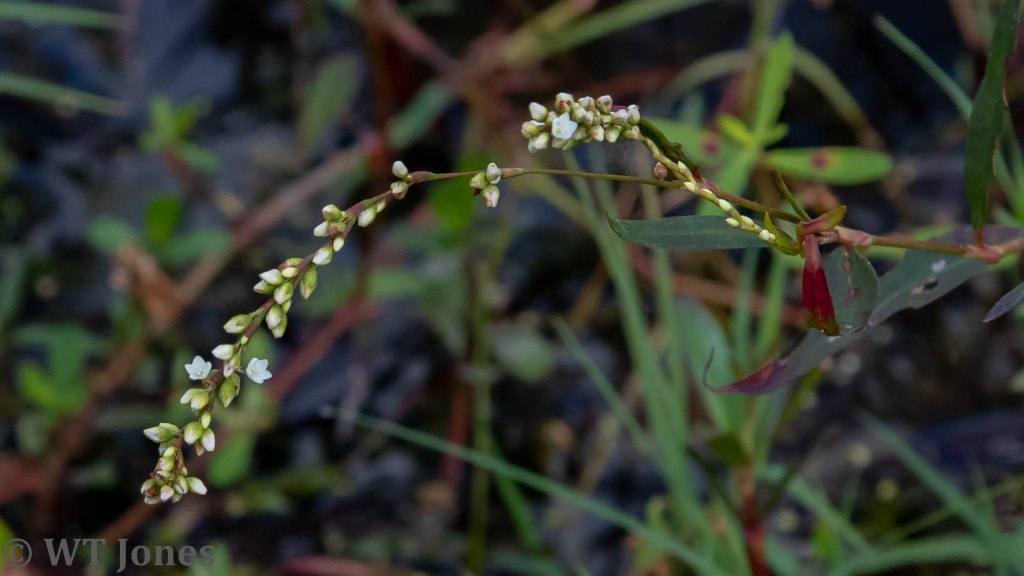
More highlights of white around the edge of the pool turned out to be Dotted Smartweed (Persicaria punctata). Again, a closer look at the very small blooms showed an intricate beauty we could have easily walked past.
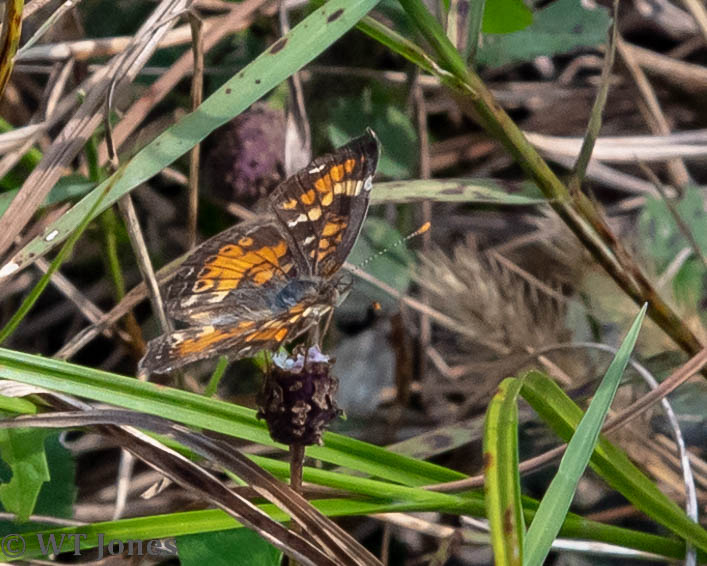
Down in the weeds around the pond, one of the bright grass skippers, a Phaon Crescent (Phyciodes phaon) ignored our presence as it searched for sustenance.
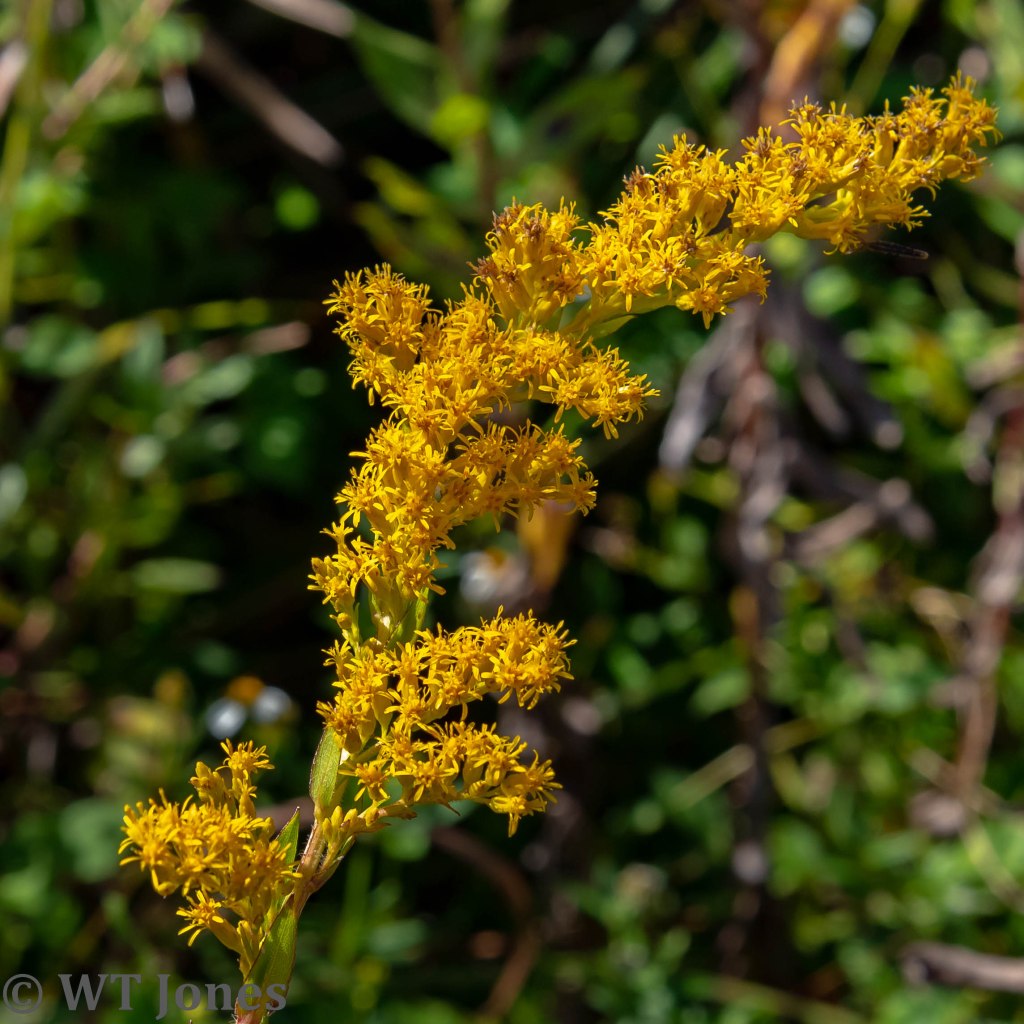
Ray, a drop of golden sun. We were surrounded by gold! And we truly felt enriched. Pinebarren Goldenrod (Solidago fistulosa) was blooming all along the edges of the forest.

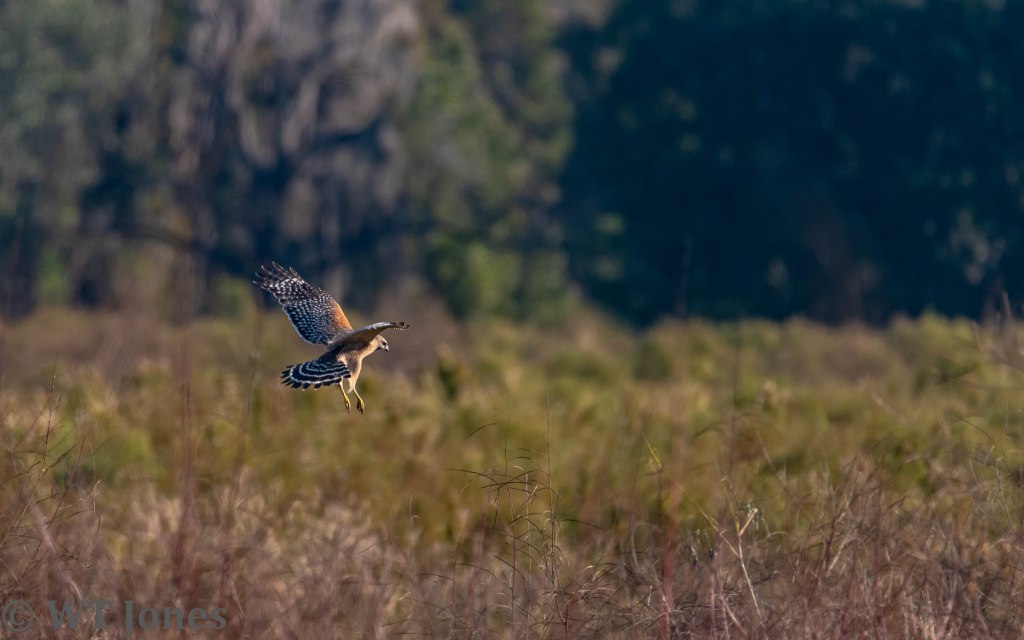
Watching a Red-shouldered Hawk on the hunt was one of the high points of our morning.
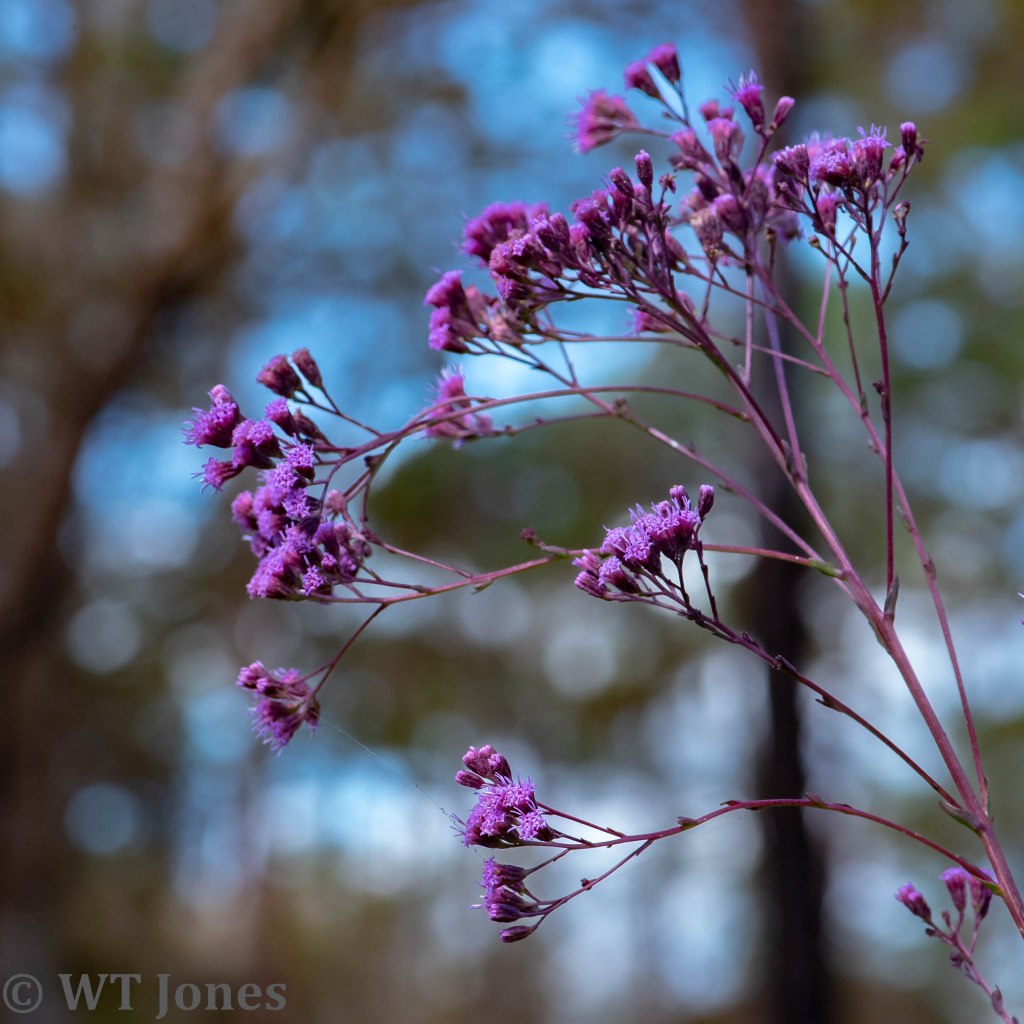
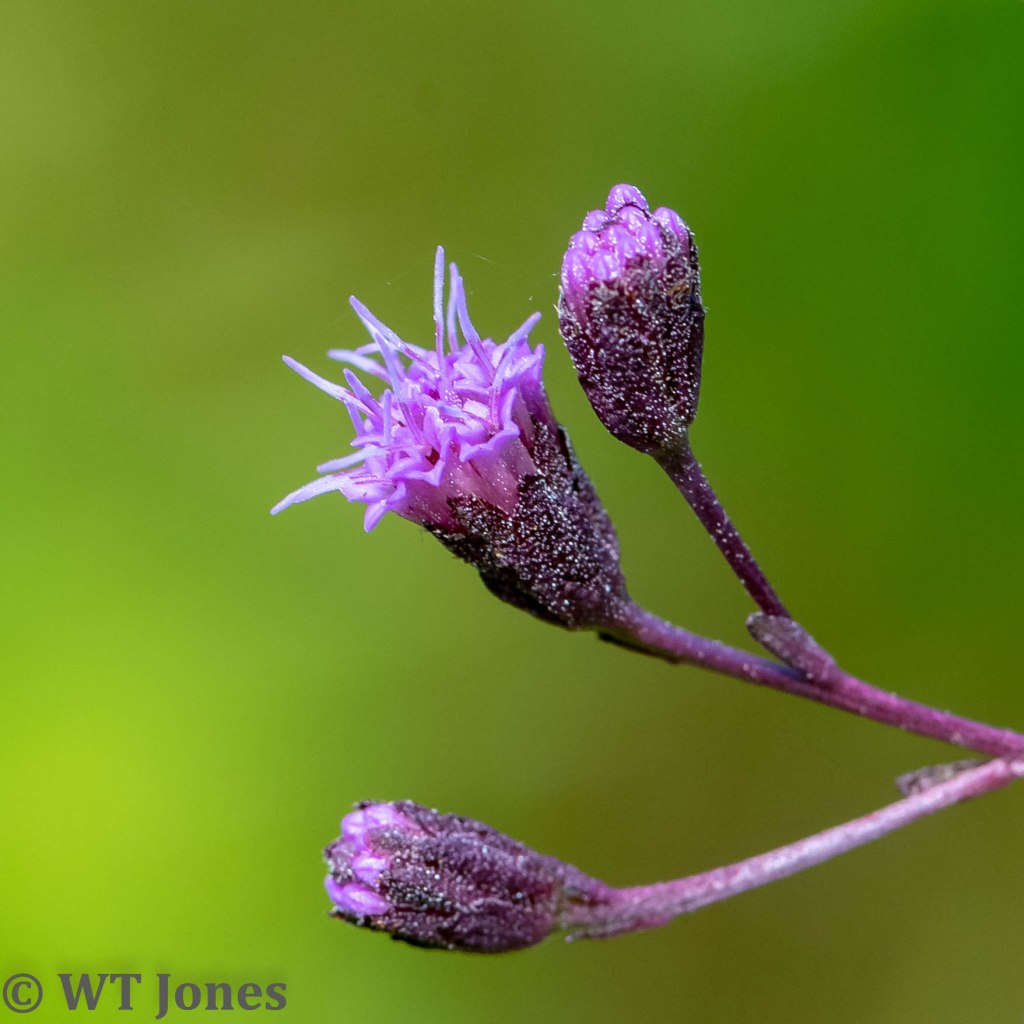
Purple! It can be a bit startling to be surrounded by the green of the pine woods and green of the saw-palmetto understory and all of a sudden encounter large swathes of purple. Hairy Chaffhead (Carphephorus paniculatus), also called Deertongue, is impressive in this setting. Plants are nearly three feet tall and each “head” sports dozens of unique flowers. The Deertongue epithet is apparently due to the resemblance of rather large and wide basal leaves to the tongue of a White-tailed Deer. Those crazy botanists sure have an imagination!

So, there we were, watching butterflies nectaring at some tall flowers in the distance. Yours truly set out to get closer in order to present you, dear reader, with an acceptable quality of images. One of the large Eastern Tiger Swallowtails (Pterourus glaucus) appeared in front of me and I snapped a quick in-flight shot knowing I would soon be obtaining better pictures once I reached the flowers. In tracking the butterfly through the lens, I stepped in a hole. I didn’t fall, but as I glanced down to see what I stepped into, my gaze stopped a few feet ahead.

I was convinced you all didn’t really need any more butterfly pictures. The Dusky Pygmy Rattlesnake (Sistrurus miliarius barbouri) agreed with my decision to back up. Rapidly.

Overhead, a Tufted Titmouse observed my predicament. You may not be able to see it, but there is a definite grin on that little beak.

Even more yellow to enjoy! Growing on stems about two feet tall and with leaves like grass, the Narrowleaf Silkgrass (Pityopsis graminifolia) is also known as Golden Aster.

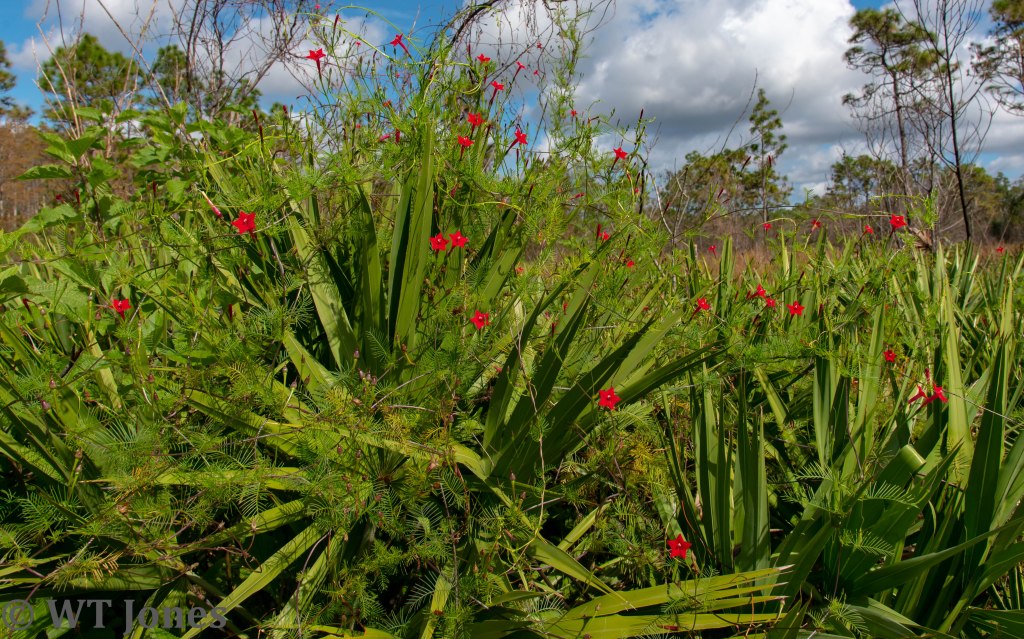
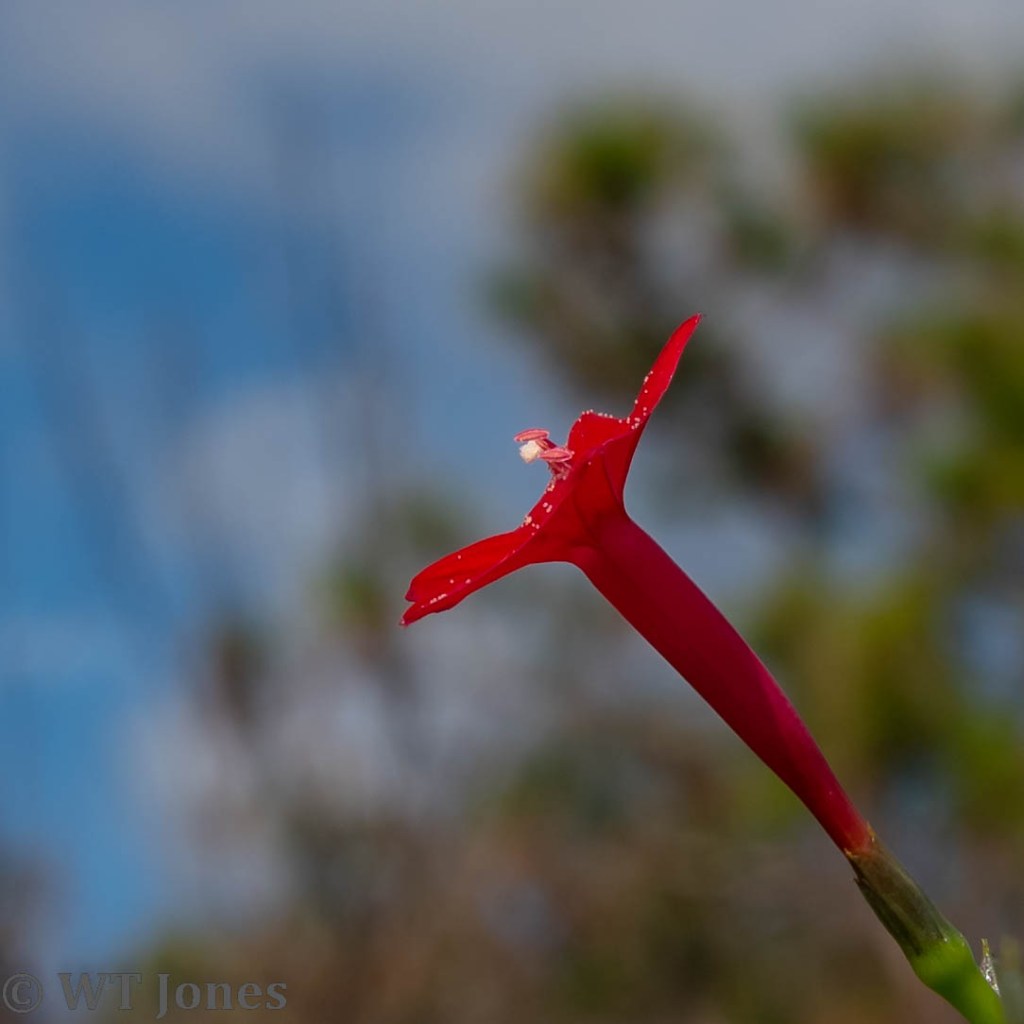
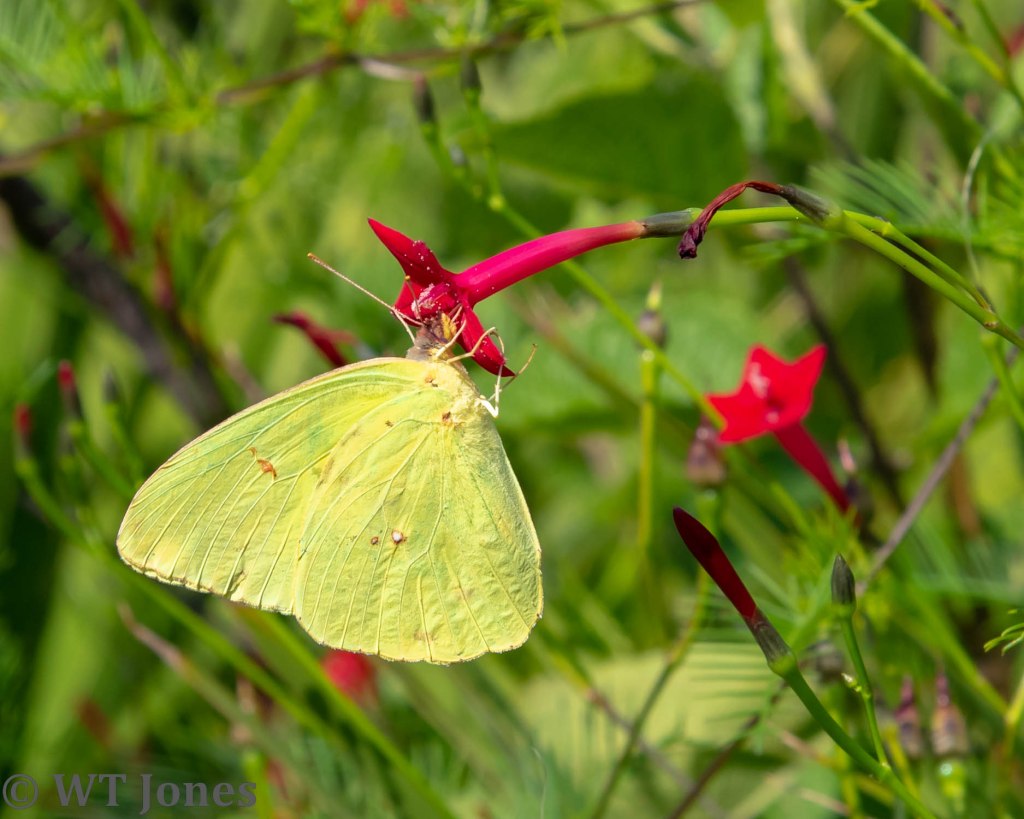
Tangles of bright red stars decorate saw-palmetto and the butterflies appreciate it. So did we! Belonging to the morning glory family, the Cypressvine (Ipomoea quamoclit) has a wonderful combination of beautiful blooms and delicate foliage. A Cloudless Sulphur (Phoebis sennae) doesn’t care about all that as long as the juice bar is open!
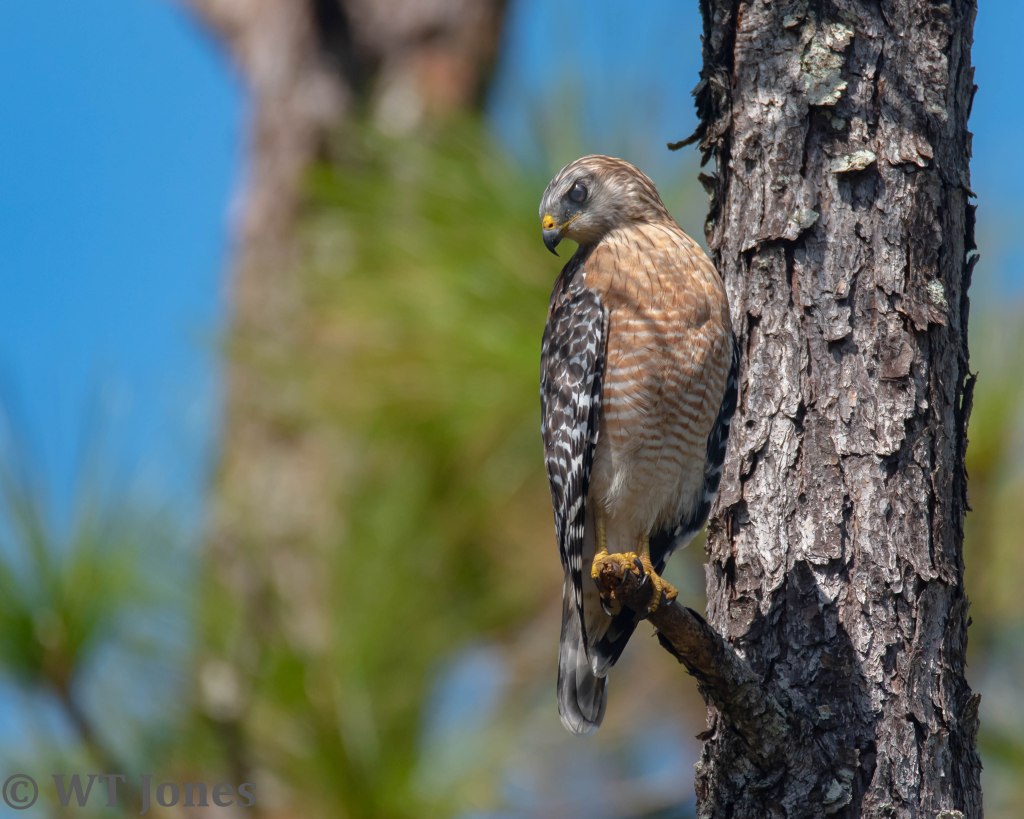
We prepared to leave and were completely ignored by a Red-shouldered Hawk who seemed more interested in something she could have for a snack. Our feelings were not hurt at all.
Our attitudes, emotions and personal circumstances influence how we view life. That view changes as our mental state changes. More often than not, the two of us are able to be optimistic on a daily basis. It truly helps as we explore Nature since she “always wears the color of the spirit”.
Enjoy your search for a natural place and come back for a visit!
It’s a beautiful day in our neighborhood patch. The pink/purple/orange dawn sky was clear. Relative humidity was 45% (amazing for Florida!). No wind. Cool air invited one to breathe in deeply. Regular flights of commuters were right on schedule as flocks of White Ibises, Cattle Egrets and Double-crested Cormorants moved from roosts to feeding spots. Quartets of Black-bellied Whistling-Ducks whistled at us as they swooped low overhead.
Just like the animals we are, our routine has evolved when visiting this patch based on our prior “foraging” experience. Brushy waysides beyond the entrance gates harbor Eastern Towhee and migratory Gray Catbird. Along the shore of Picnic Lake are the usual wading birds, gallinules, osprey and fall Pied-billed Grebes. Exploring the trees around the cemetery yields a Great-crested Flycatcher, Carolina Wren, Blue-gray Gnatcatchers and Red-bellied Woodpeckers.
Our morning continued apace as we checked a few “favorite” haunts. We tended to linger longer than normal at the lakeside locations today as the mirror-like water without a ripple had a mesmerizing effect on us. Gini made a remark about how pleasant and peaceful this was. It almost made birding seem not very urgent…….
Witchety-witchety-witchety!
“That Common Yellowthroat is close.”
Spell broken. Birding resumes.
Glass-surfaced lakes, woods with rusty and brown leaves crunching underfoot, fall flowers still attracting all manner of nectar seekers, cloudless skies where vultures, hawks, eagles and wood storks soared in ever-increasing numbers. Using just our observation data we knew it was autumn. Our tally for the morning was 51 species of birds. That’s over a dozen more than an average day in summer at this spot.
Don’t be scared. We won’t post pictures of all 51. THIS time.
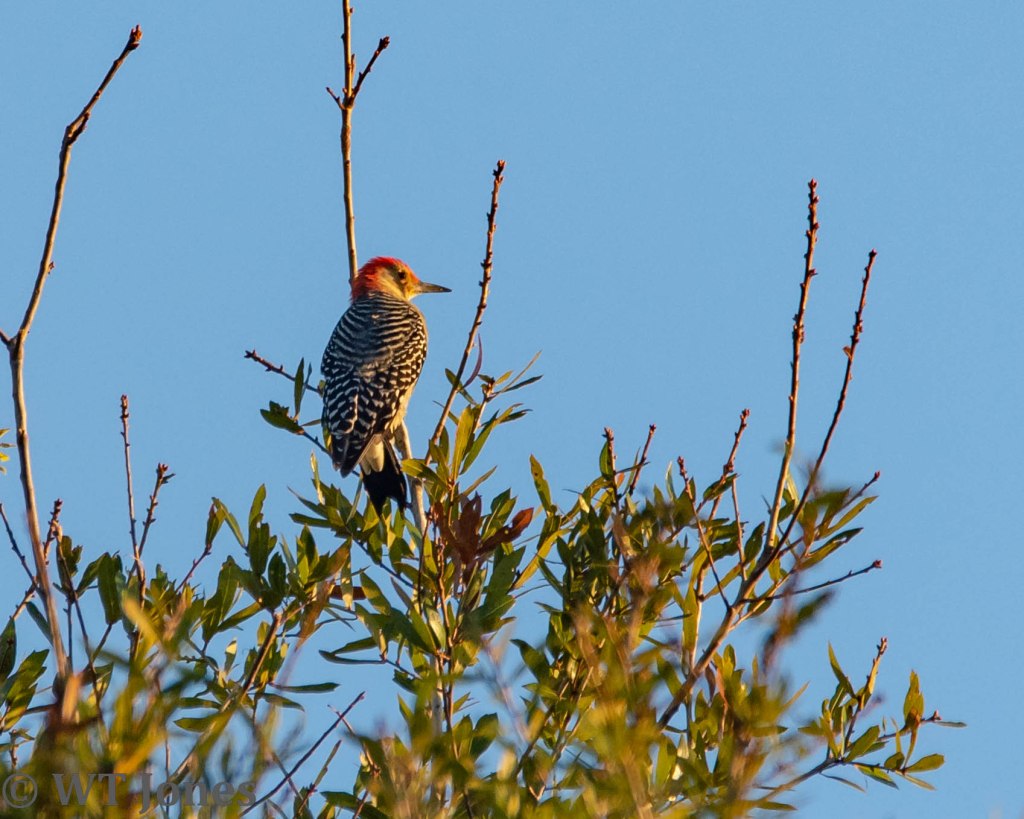
Dawn lookout. This must have been just the right spot as two Red-bellied Woodpeckers kept chasing each other away to claim it as their own.
With a name like “racerunner” one would think of speed. One would be correct. The Six-lined Racerunner (Cnemidophorus sexlineatus) can reach speeds of up to 18 mph in short bursts when chasing a meal. Good news for me – they like to stay on the ground as opposed to scampering to the tippy-tops of tall trees.

Fall means the return of the wrens! It’s like a switch was flipped on today and House Wrens were scolding everything and everyone at the top of their surprisingly loud voices! It was like welcoming a grumpy little friend back home.

Barred Yellow (Eurema daira) butterflies typically become darker in the dry months. The first image below is from August of this year, a “wet season” color form. The second picture, from today’s visit, shows how much darker they become. The darker color helps with heat absorption in cooler temperatures and blends with browning forest detritus.


Several areas were quite busy with yellow butterflies. This Little Yellow (Pyrisitia lisa) is more marked than some we see.

One of Florida’s most common yellow butterflies, the Cloudless Sulphur (Phoebis sennae), was pretty abundant today. Extensive underwing markings indicate this is a female.

Another welcome sound in the fall patch is the rattle of Belted Kingfishers. With over two dozen lakes to fish in, this is a pretty popular locale for these winter visitors.

Those beautiful brown eyes don’t miss much. “What IS that?” It took a while for Gini to direct my focus on what she had found. A honeycomb! Not in apparent use, it was adjacent to an area of commercially-tended bee hives. I have read that in times of stress to the main hive, bees will quickly build alternate hives. I think our recent Hurricane Ian might have caused a bit of stress!

Most of the fruit is gone from this persimmon tree but a young Red-tailed Hawk gave us a backward glare that indicated she was peeved at our intrusion. After all, a hungry opossum might come along any minute to snag one of the remaining orange jewels.

Dragons in the fall. Have I mentioned I love Florida? Male Blue Dasher (Pachydiplax longipennis).

Leave it to an Eastern Bluebird to make a utility pole a thing of beauty. Okay, to at least use a utility pole as a perch for a thing of beauty.

Fields and fences are filling with pumping tails. Palm Warblers are arriving in waves. The little songsters are actually plain looking but the more I look at the details of their plumage the more beautiful they appear.

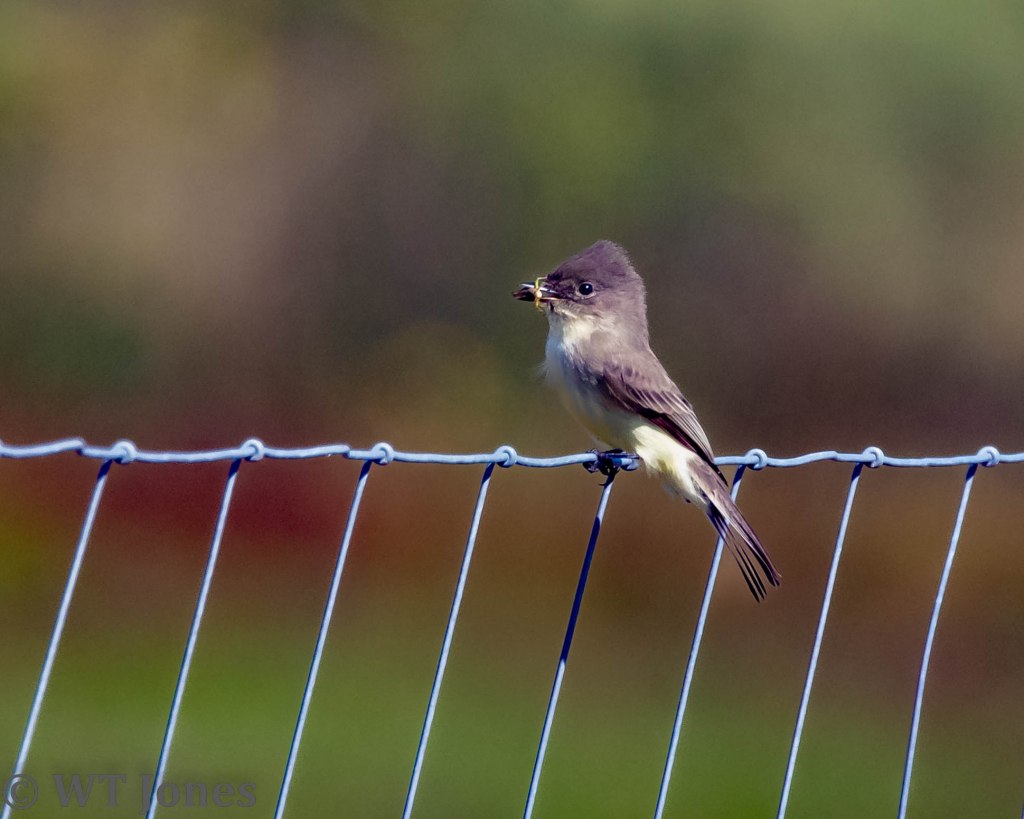
A member of the Tyrant Flycatcher family, the Eastern Phoebe is one of our more polite winter visitors. She is kind enough to loudly and distinctly announce her presence for us. Phoe-beeee!! She eats a lot of bugs, too. And she sports a pretty spiffy hairdo. What’s not to love?
As we were heading toward the exit, we spotted a ferocious encounter taking place in the ranger station parking lot. Northern Cardinals engaged in a life-and-death territorial battle. Documented for your utter amazement.
(Warning; anthropomorphic silliness dead ahead.)
“You get out of here!”
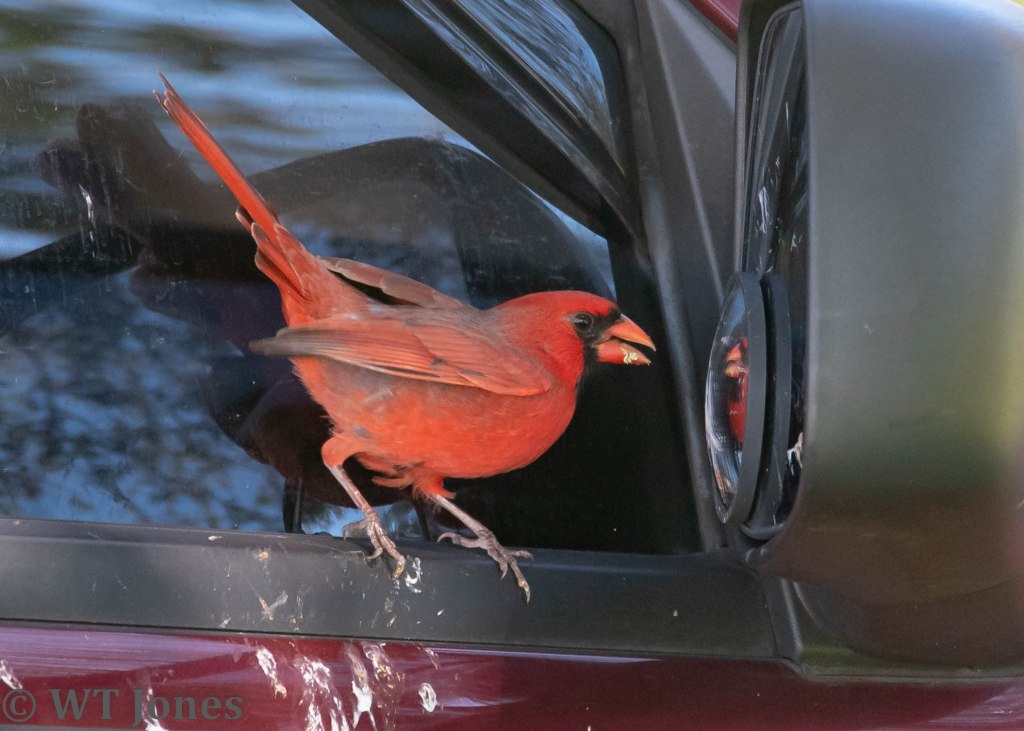
“I will bite you so hard!”
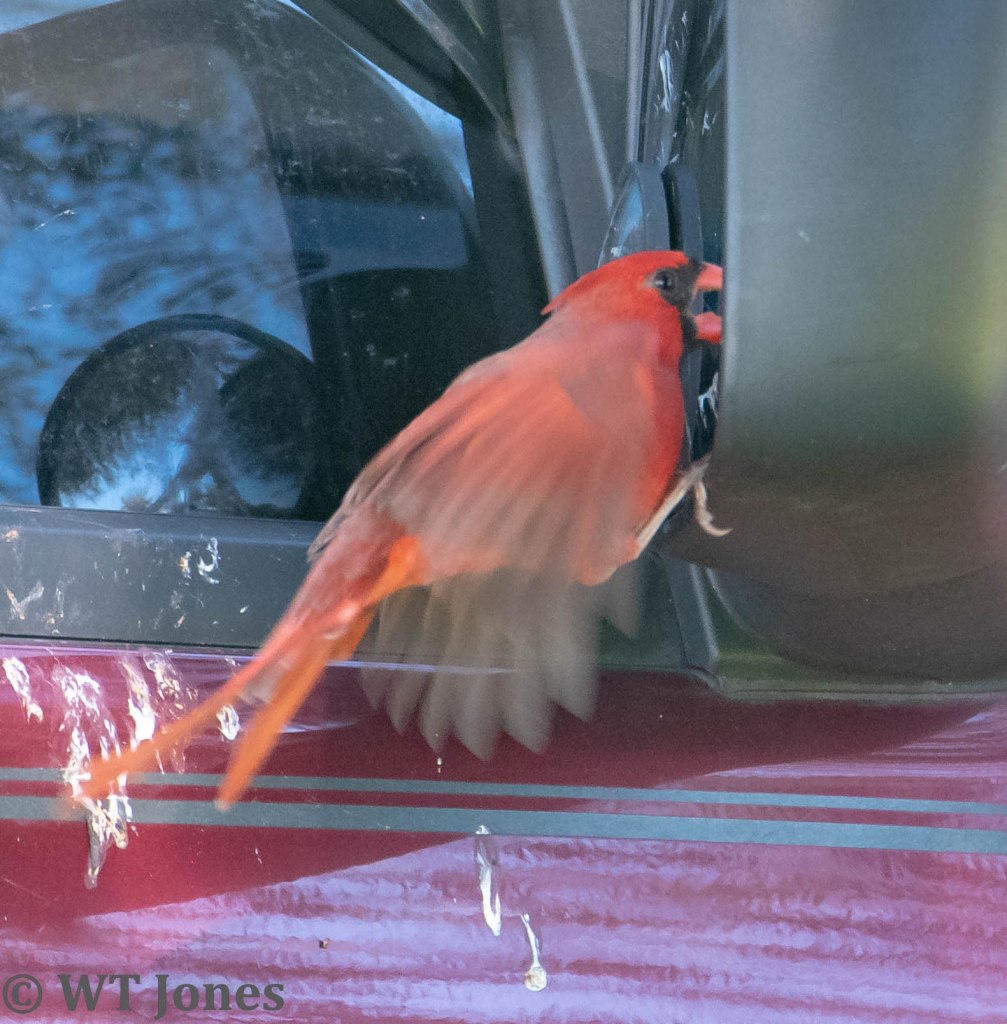
“It’s no use trying to fly away!”

“Take that you red devil bird!”
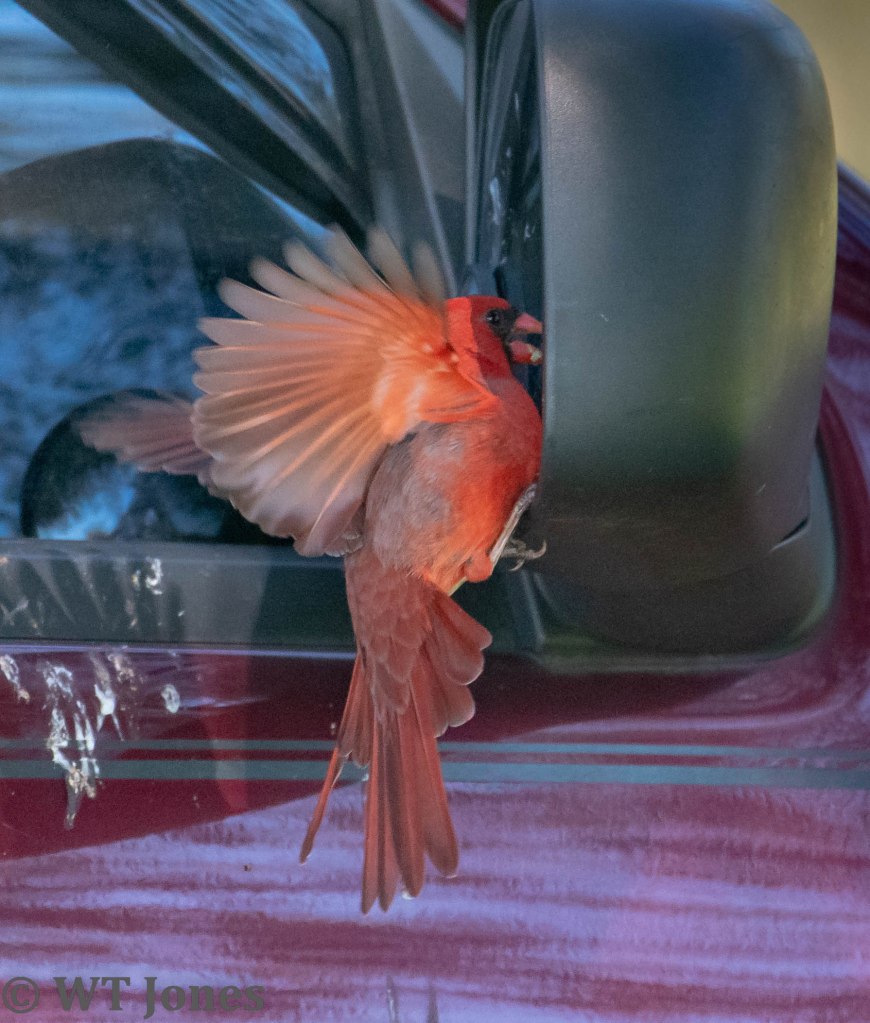
“I must say, you really fight well and you are quite handsome.”

“Whew. He’s gone. I am still the King!”

Calendars can help us keep track of days and significant human events. Nature allows us to experience the here and now. The chill of Winter, the renewal of Spring, the swelter of Summer and as we revel in the sight and sound of avian migration – the rise of Fall.
Enjoy your search for a natural place and come back for a visit!
 Our Natural Places