The Southern Mines
(Click on images to zoom, click again to enlarge.)
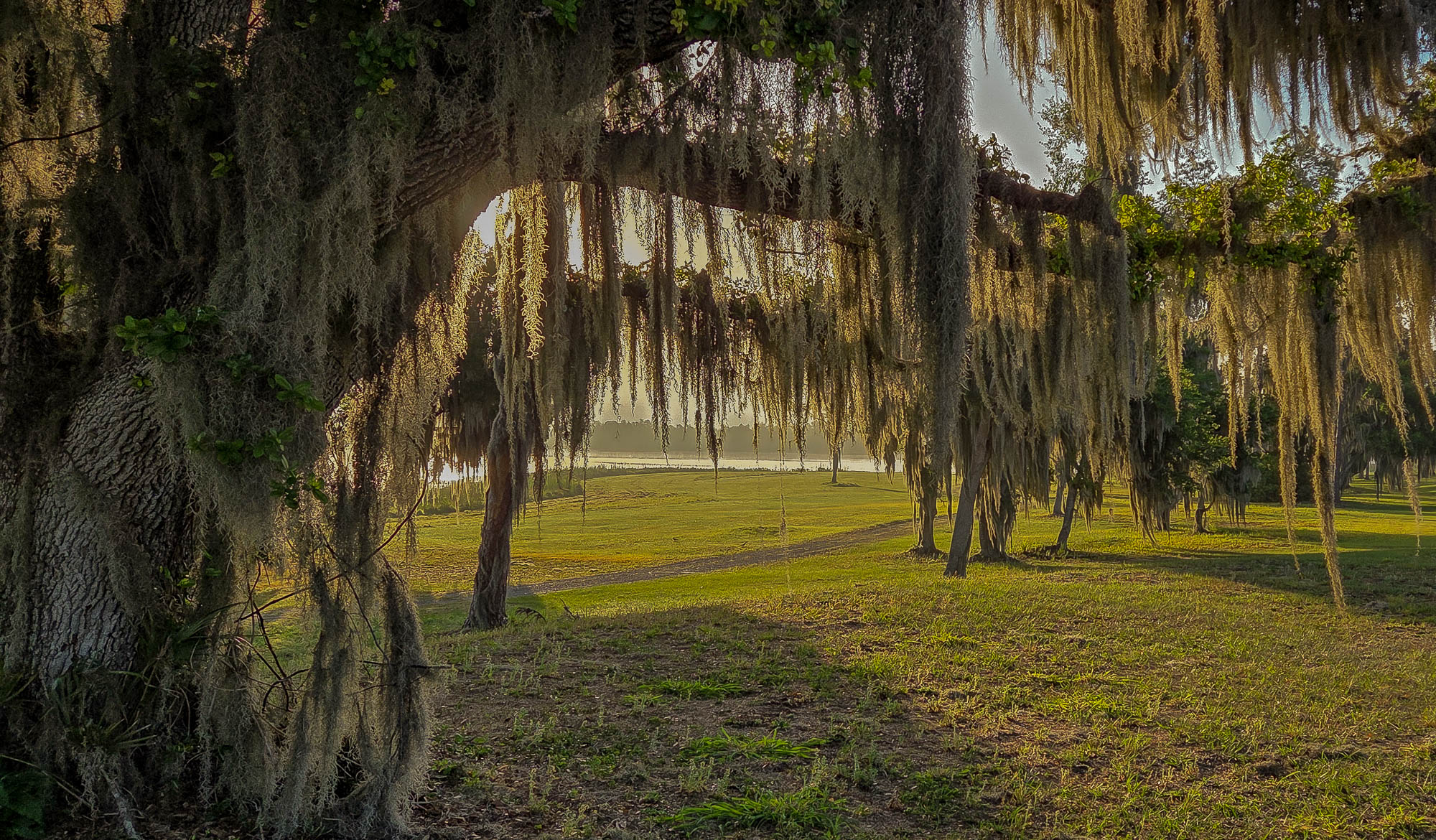
An hour past sunrise and lingering fog obscures the bright light we normally encounter. Damp air mutes the calls of Mourning Dove and Northern Cardinals. Along the edge of the lake a Pig Frog grunts a greeting from the cover of lily pads. Gradually, the gray veil lifts to reveal clear blue skies overhead.
Today’s venue is a county park, although at over 1200 acres it is larger than what we usually think about as a “county park”. Four lakes, each with a nice boat ramp, makes this a desirable spot for fishermen. Fortunately for us, the park is normally very sparsely visited during the week. Around the lakes are nice wooded patches and a long boardwalk winds through a wetland. We have always enjoyed visiting Hardee Lakes County Park and today is no exception.
The lakes are remnants of phosphate mining. Plentiful and relatively easy to find within a four-county area in west-central Florida, phosphorous rock has been mined here since the 1880’s. This particular spot ceased mining activity in the 1960’s and, as they have done in most instances, was subject to intense reclamation by the mining company. There are, of course, huge negative environmental impacts of almost any mining industry. The balance of the positive results, in this case, producing a large percentage of the nation’s agricultural fertilizer, will always be a subject of debate. For now, we shall enjoy what has become a lovely natural setting filled with native flora and fauna.
Our morning progressed around each lake shoreline, through the wetland and a bit of probing the forested edges. Plenty to see and hear. Breakfast before the sun broke through the fog was very pleasant as a pair of Sandhill Cranes fed and preened just a few dozen yards away. After that, it just got better.
Join us …
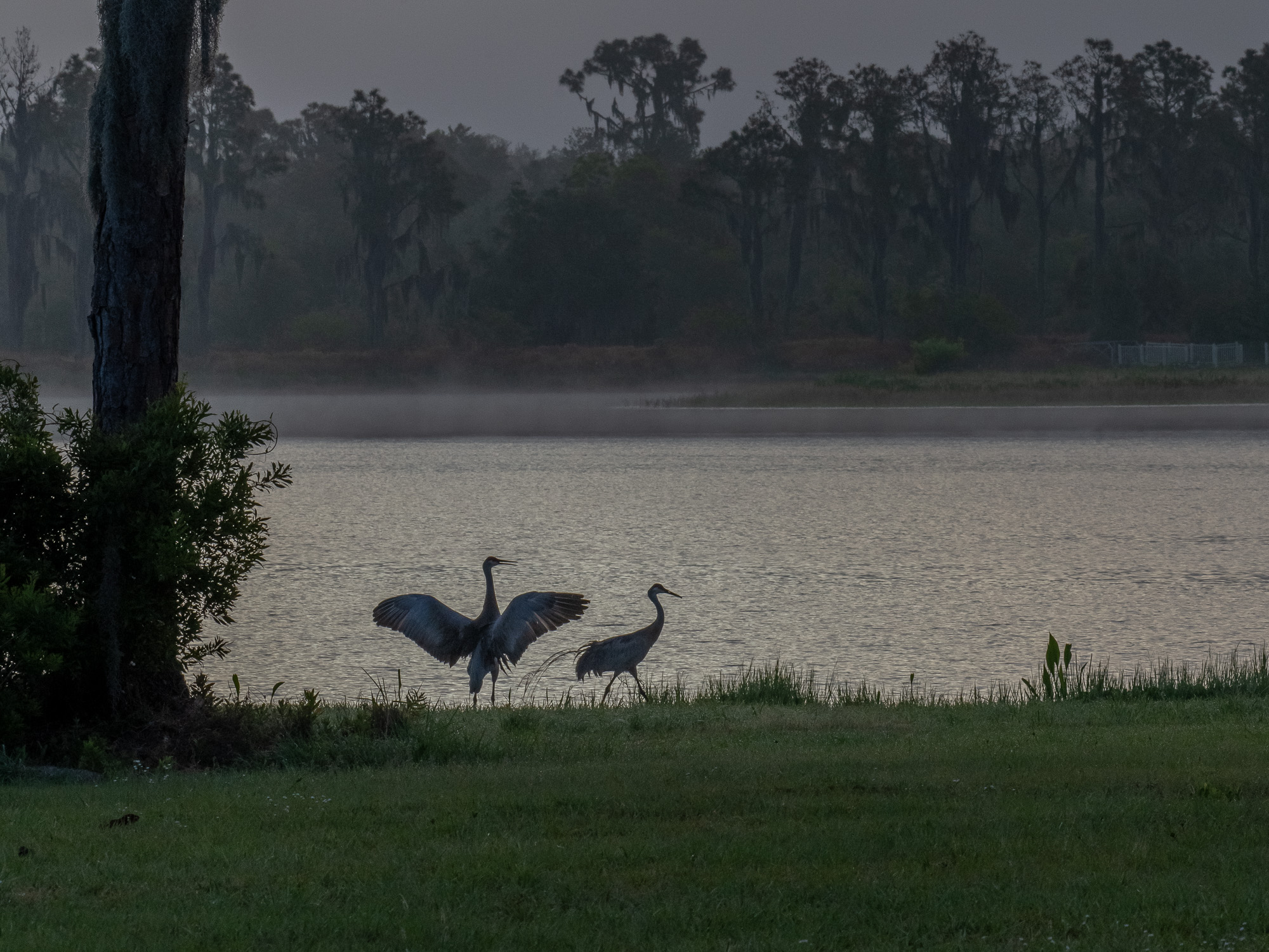
This Sandhill Crane pair entertained us during breakfast (ours and theirs). Feeding, preening, male showing off – same thing going on at our table.
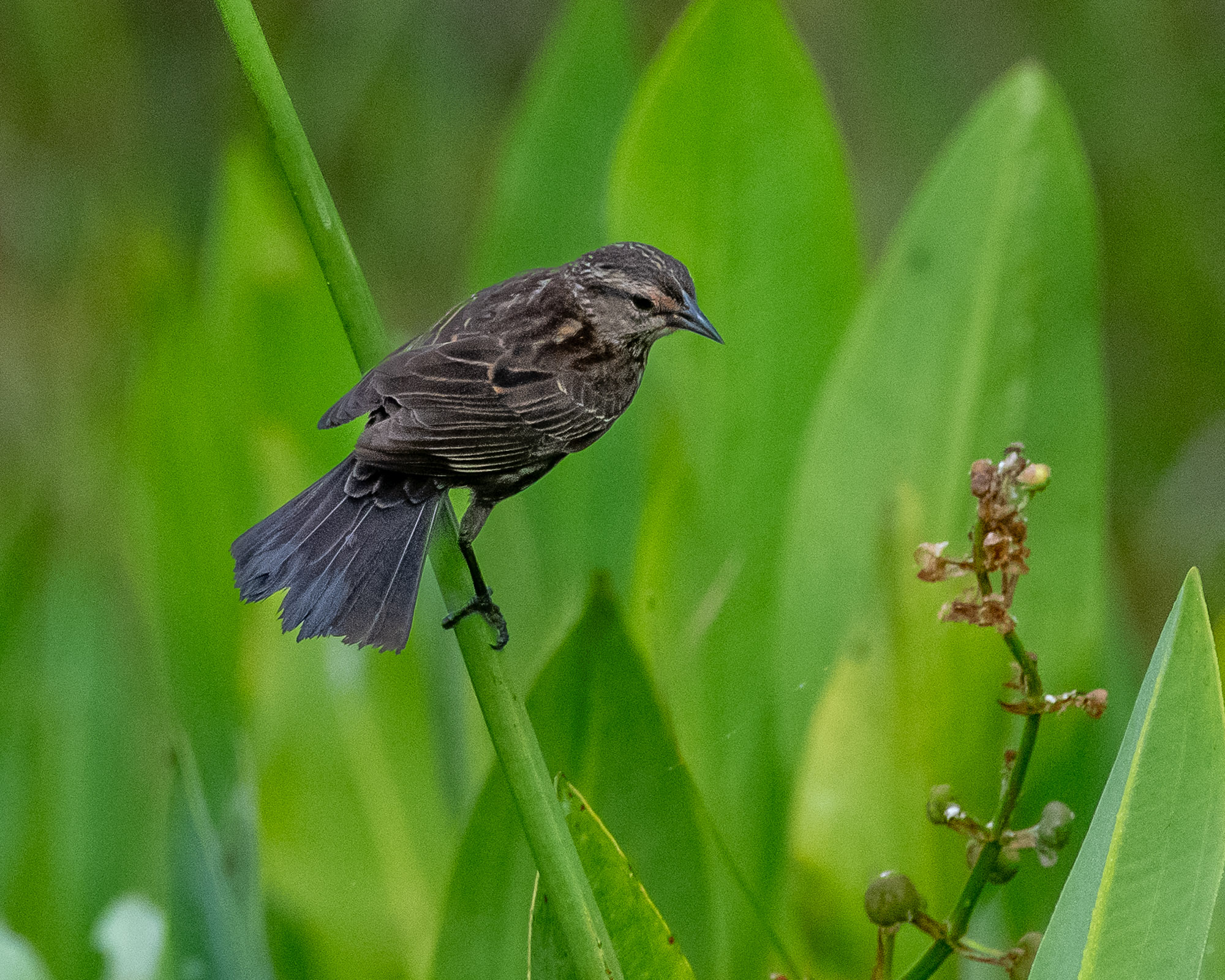
Ubiquitous is a word invented by residents living near water in places such as Florida to describe the Red-winged Blackbird. This male sang his morning tune as the sun began to burn through the mist. Check a dozen field guides and you’re likely to find as many descriptions of his song. Gini says it’s “Per-deeeee-TA!”. Now, I hear nothing else when he sings. The female may not sing, but she has plenty of sounds and calls of her own. She may be one of the most confusing birds to identify in the field. Living proof that plain can be gloriously beautiful.

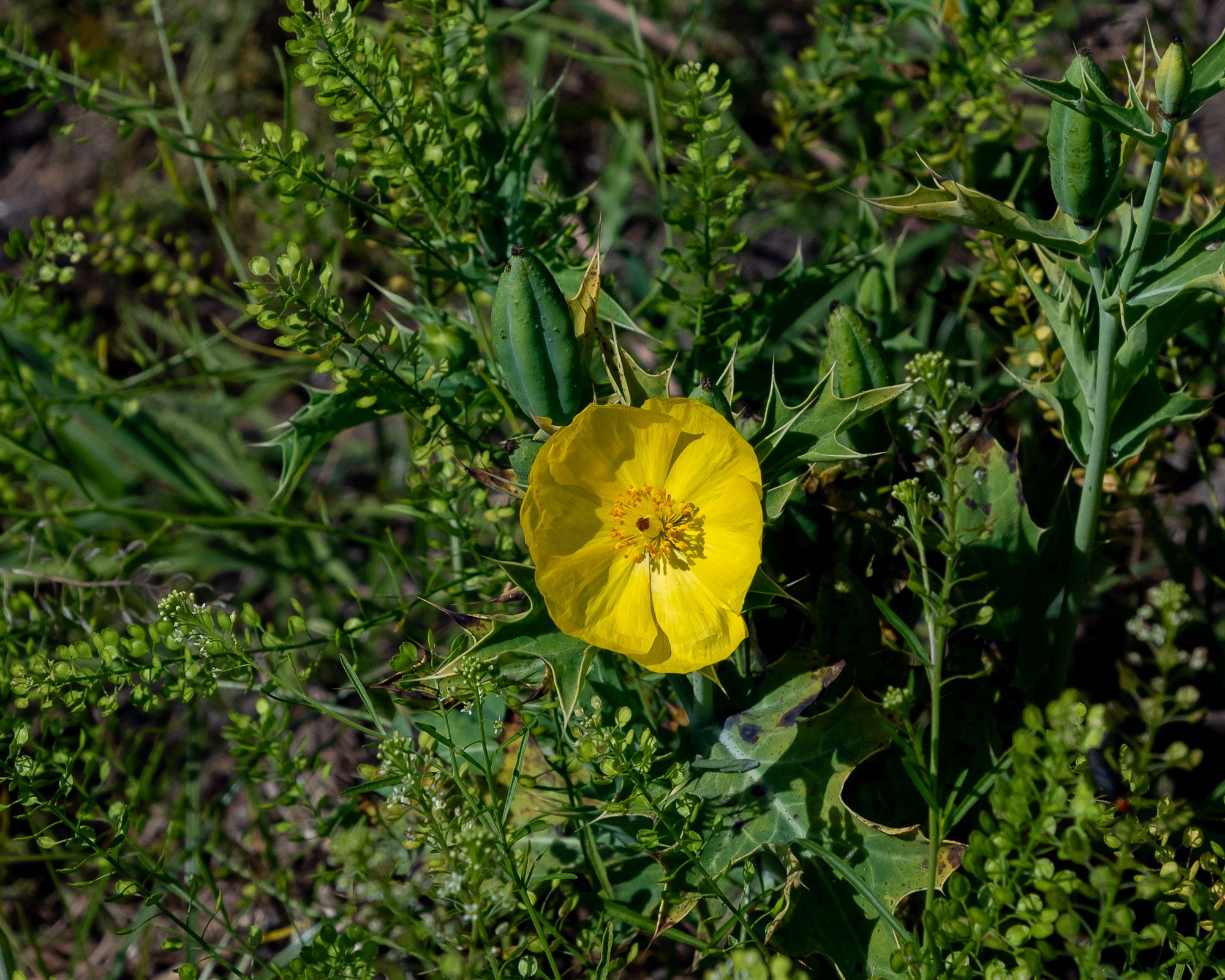
Plenty of yellow blooms this morning. We found a field filled with Mexican Pricklypoppy (Argemone mexicana). Pretty to gaze upon, painful to pick.
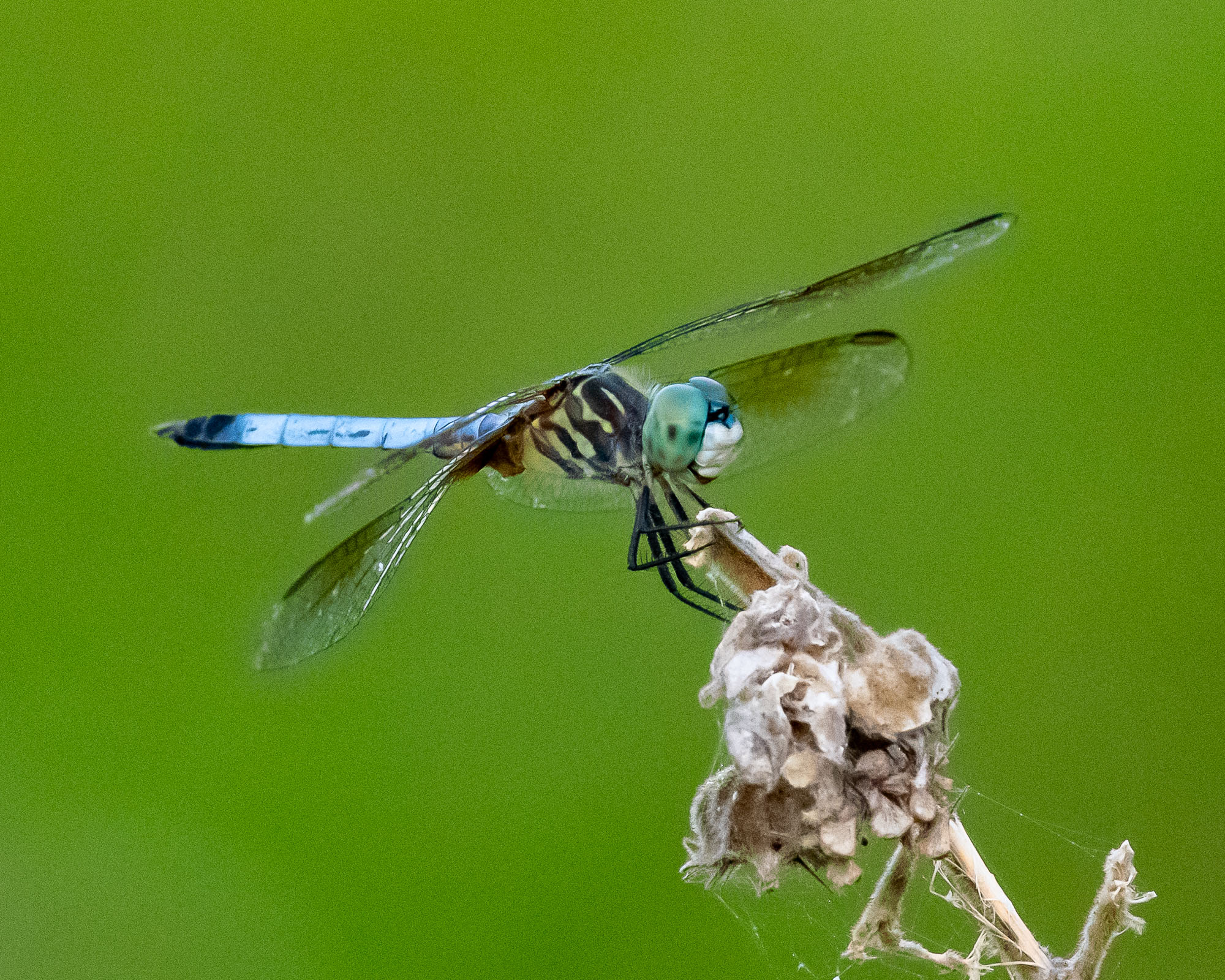
Here there be dragons! A male Blue Dasher (Pachydiplax longipennis) shows off his blue abdomen, yellow and black racing stripe thorax and white face.
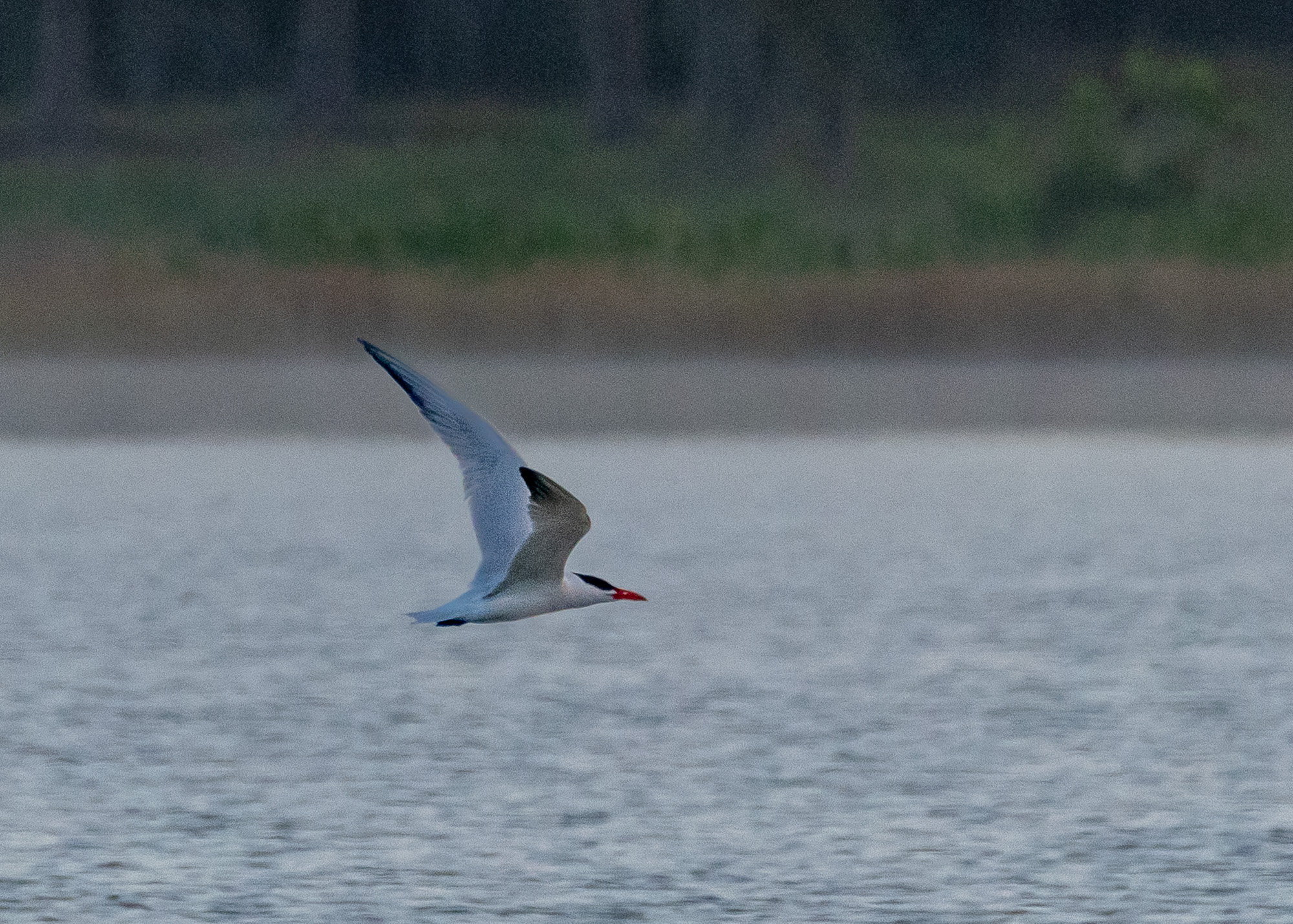
Although typically seen around the beaches, Forster’s Terns are fairly common at Florida’s inland freshwater lakes.
Aquatic plants such as Bulltongue Arrowhead (Sagittaria lancifolia) are abundant around all the lakes.

One of our more common dragons is the Four-spotted Pennant (Brachymesia gravida).

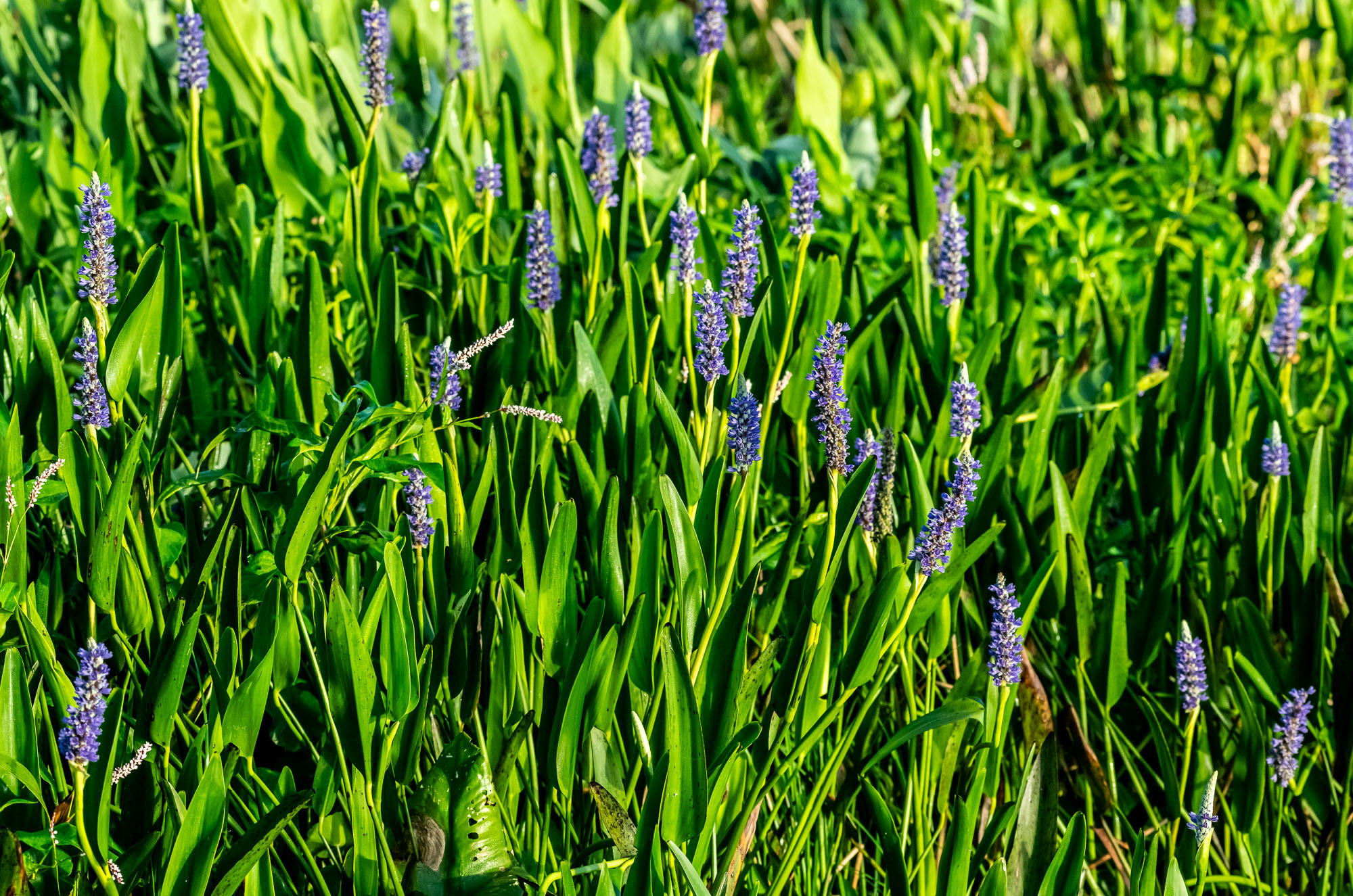
Florida + Fresh Water = Pickerelweed (Pontederia cordata).
Florida + Fresh Water = Common Gallinule.

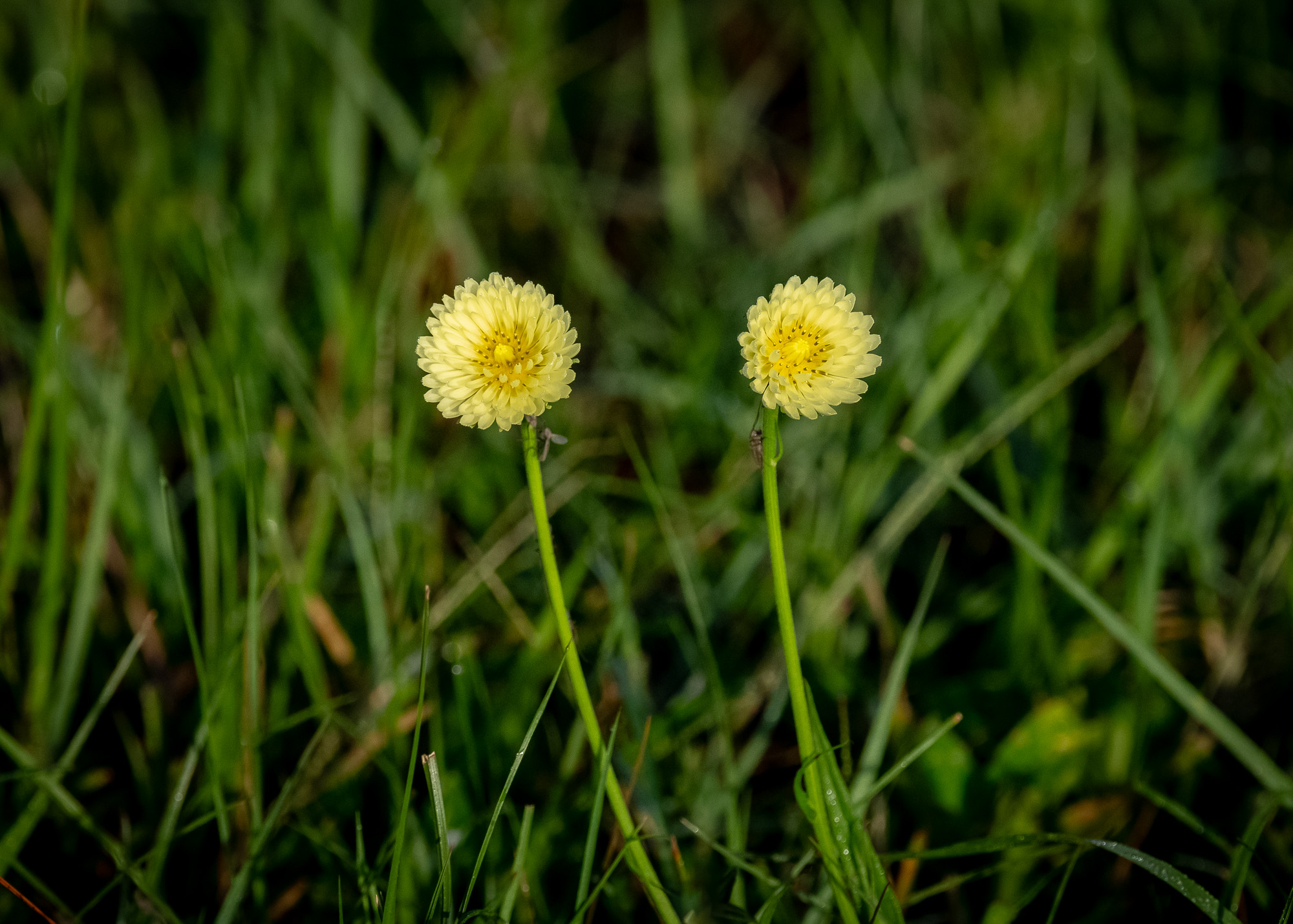
They may be common, but I usually can’t resist photographing the Carolina Desert-Chicory (Pyrrhopappus carolinianus), especially an adorable pair such as this. This beautiful flower with the oxymoronic common name is also known as the Texas Dandelion and False Dandelion.
Master of camouflage. If it doesn’t move, it can be difficult to spot a Killdeer.

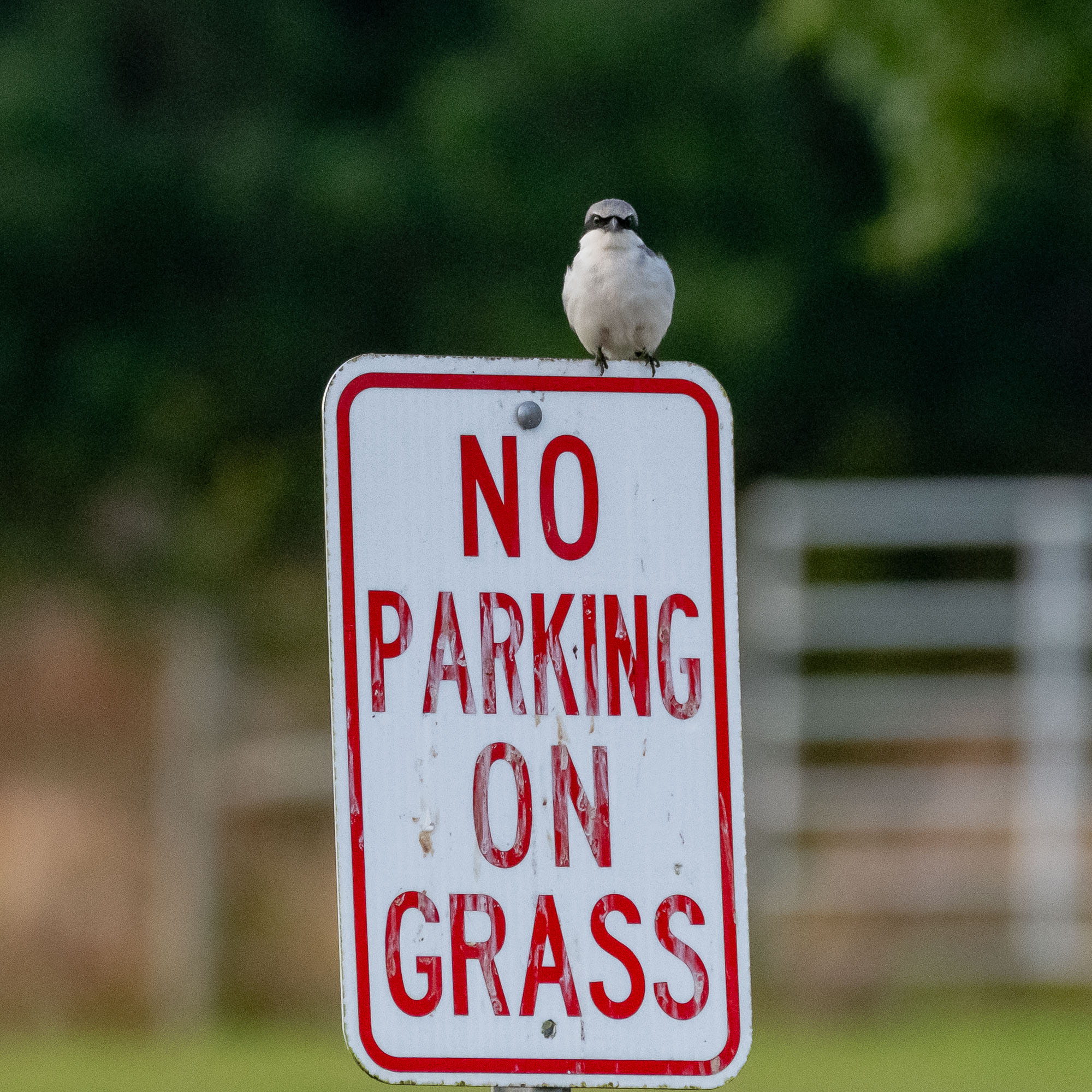
Loggerhead Shrikes find the best perches in their search for lunch. In this case, Sherrif Shrike is giving you that look ’cause you were thinking about parking in his buffet spot.
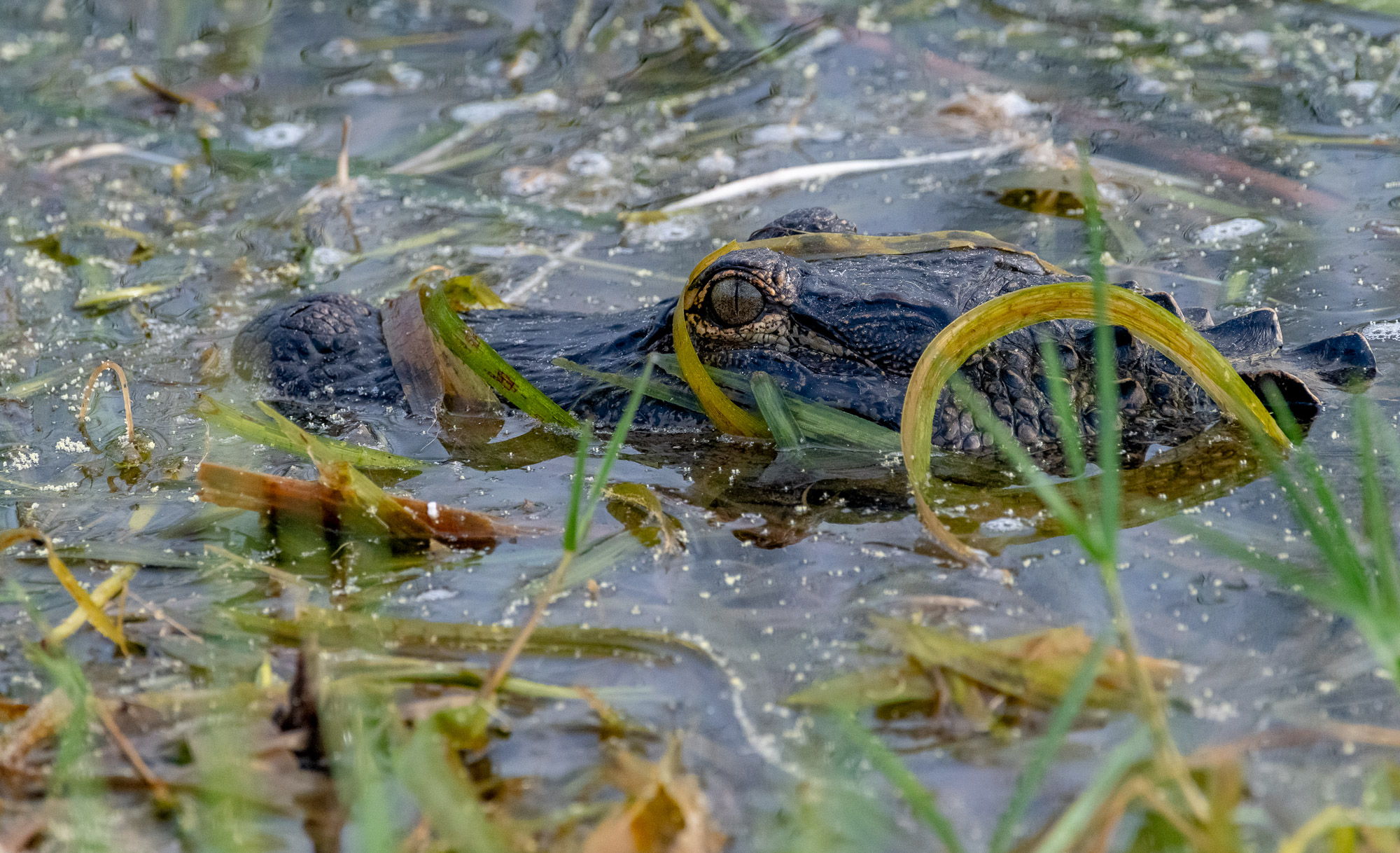
Cute kid. Petting is not recommended as, even at this tender age, there are a bunch of really sharp teeth within those surprisingly powerful jaws. Besides, she has taken care to conceal herself so well with those reeds you can’t even see her. Right? (Immature American Alligator.)
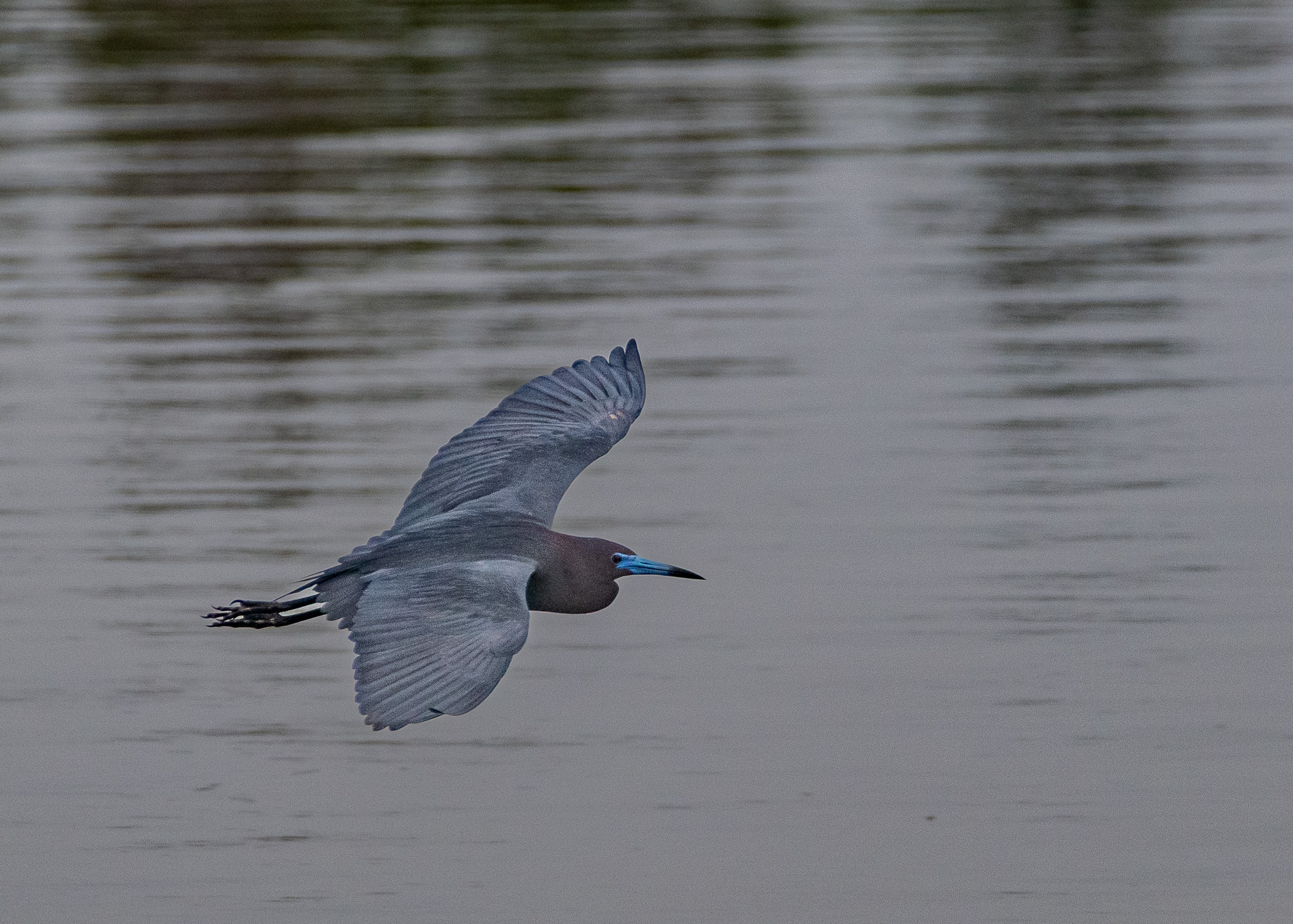
A Little Blue Heron displays breeding plumage which includes that very dark beak.
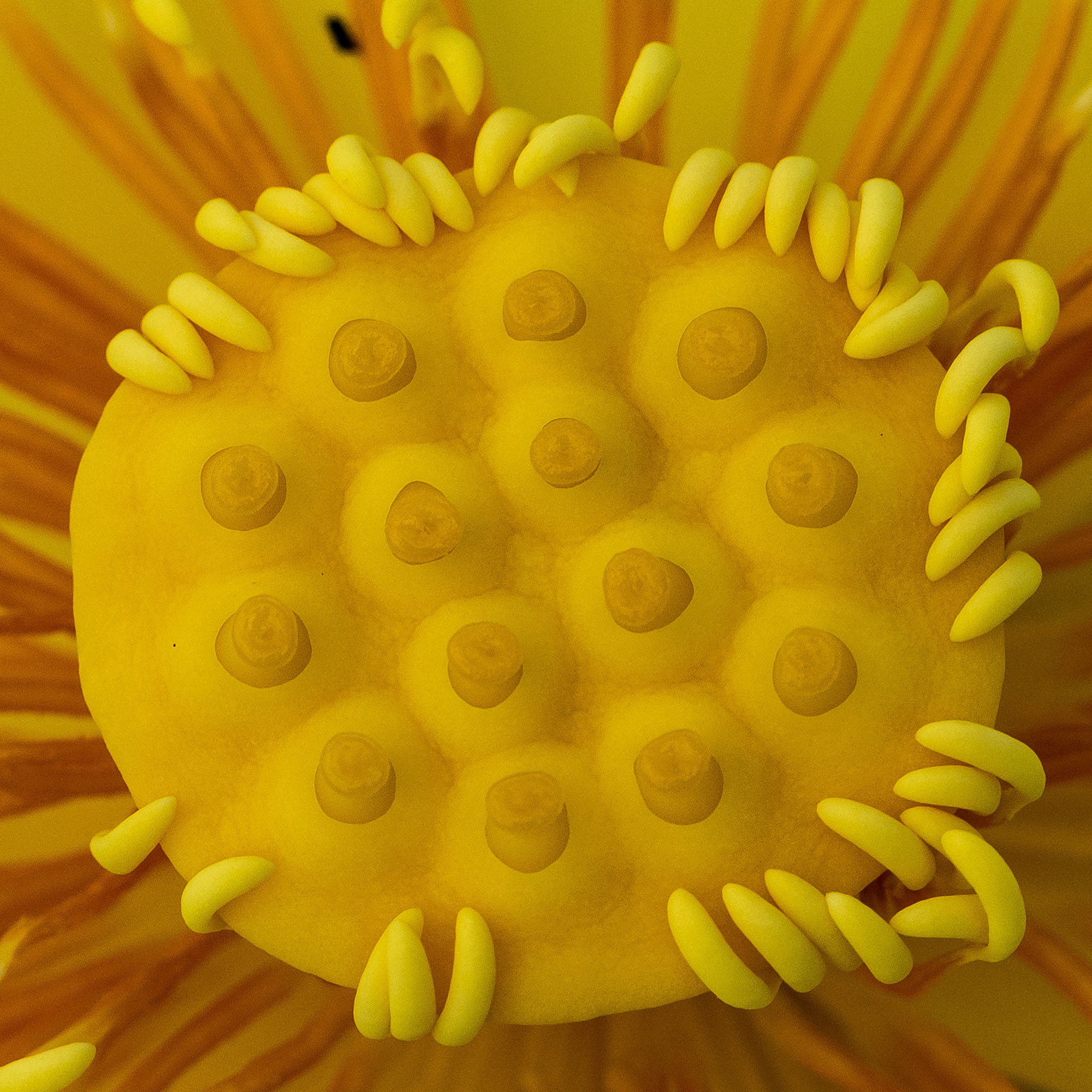
American Lotus (Nelumbo lutea). Gorgeous at any distance. Amazing intricate details up close.

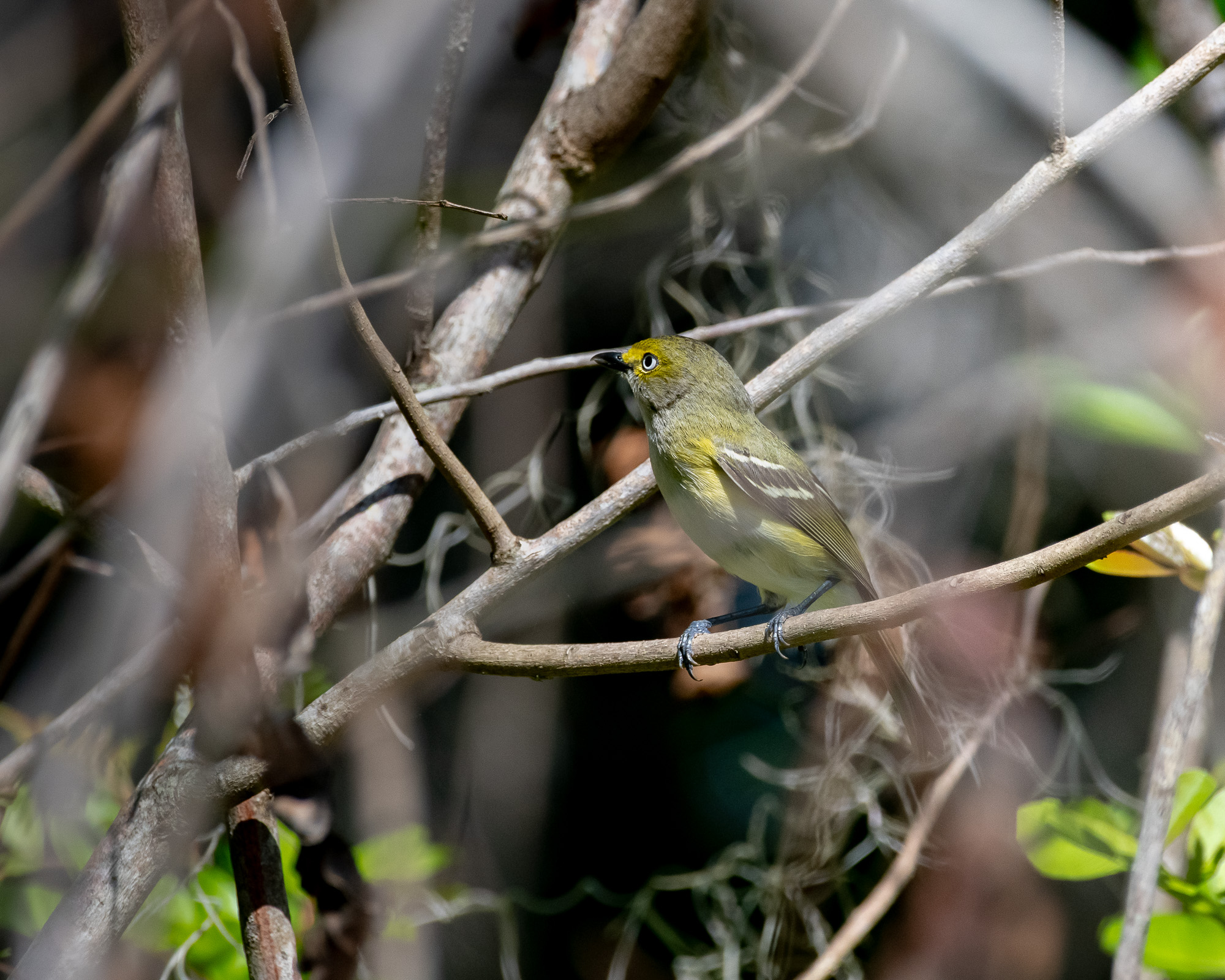
It was hard to believe there seemed to be so many White-eyed Vireos as they were singing and calling everywhere we stopped. I still think it was just one bird who had been assigned to follow us around and report back to Vireo HQ on our activities. (Yes. Gini rolled her eyes, too.)
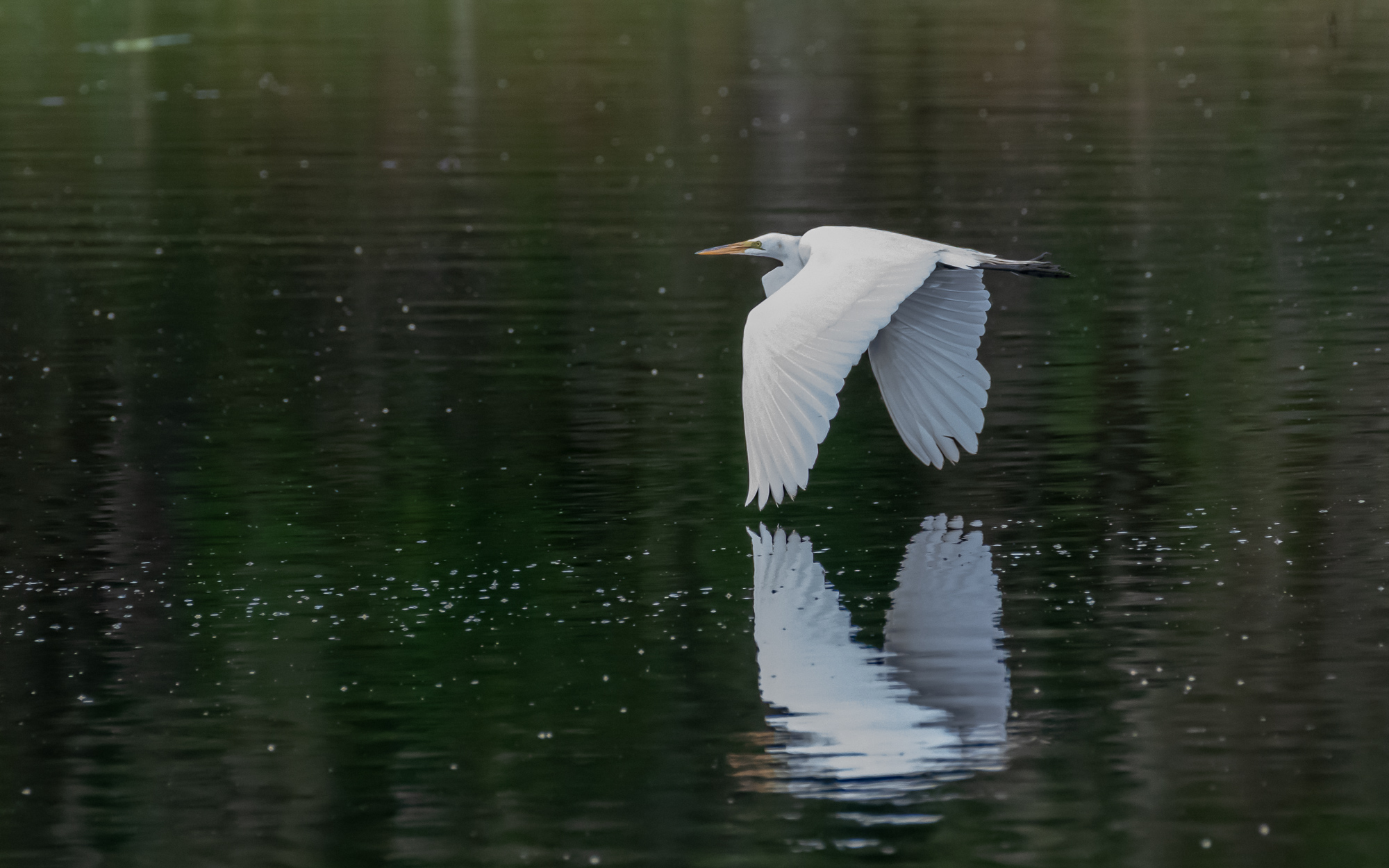
Watching a Great Egret in flight just above the lake’s surface was so fascinating.
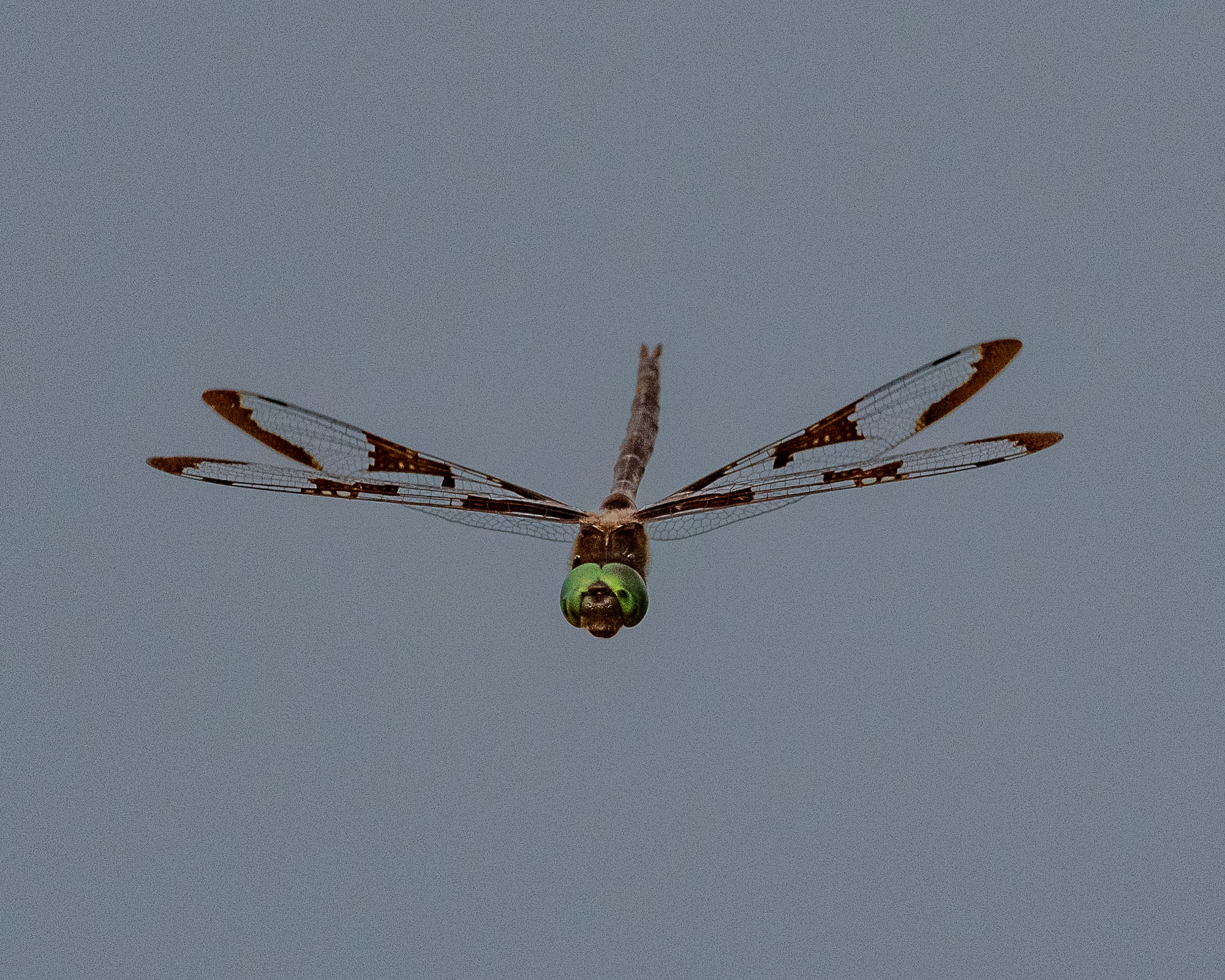
Wing pattern, great green eyes, almost never lands. A male Prince Baskettail (Epitheca princeps) inspected me just long enough for a quick snapshot before returning to patrolling the lake shore.
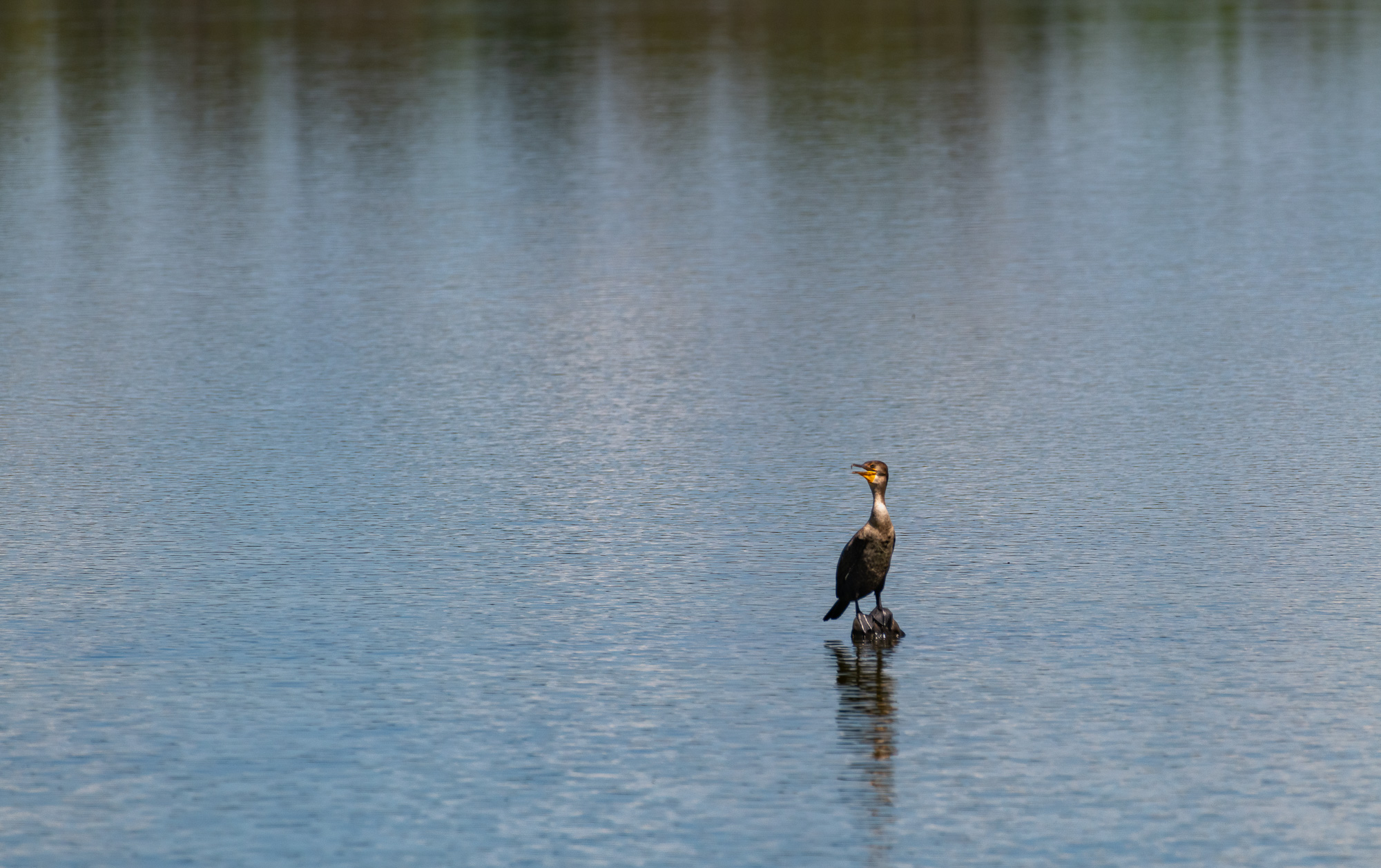
A Double-crested Cormorant found just enough tree stump on which to perch in a secluded lagoon in one of the lakes. Orange-yellow around the bill and pale neck and breast indicate this is an immature bird.
“You WILL come back for a visit!”
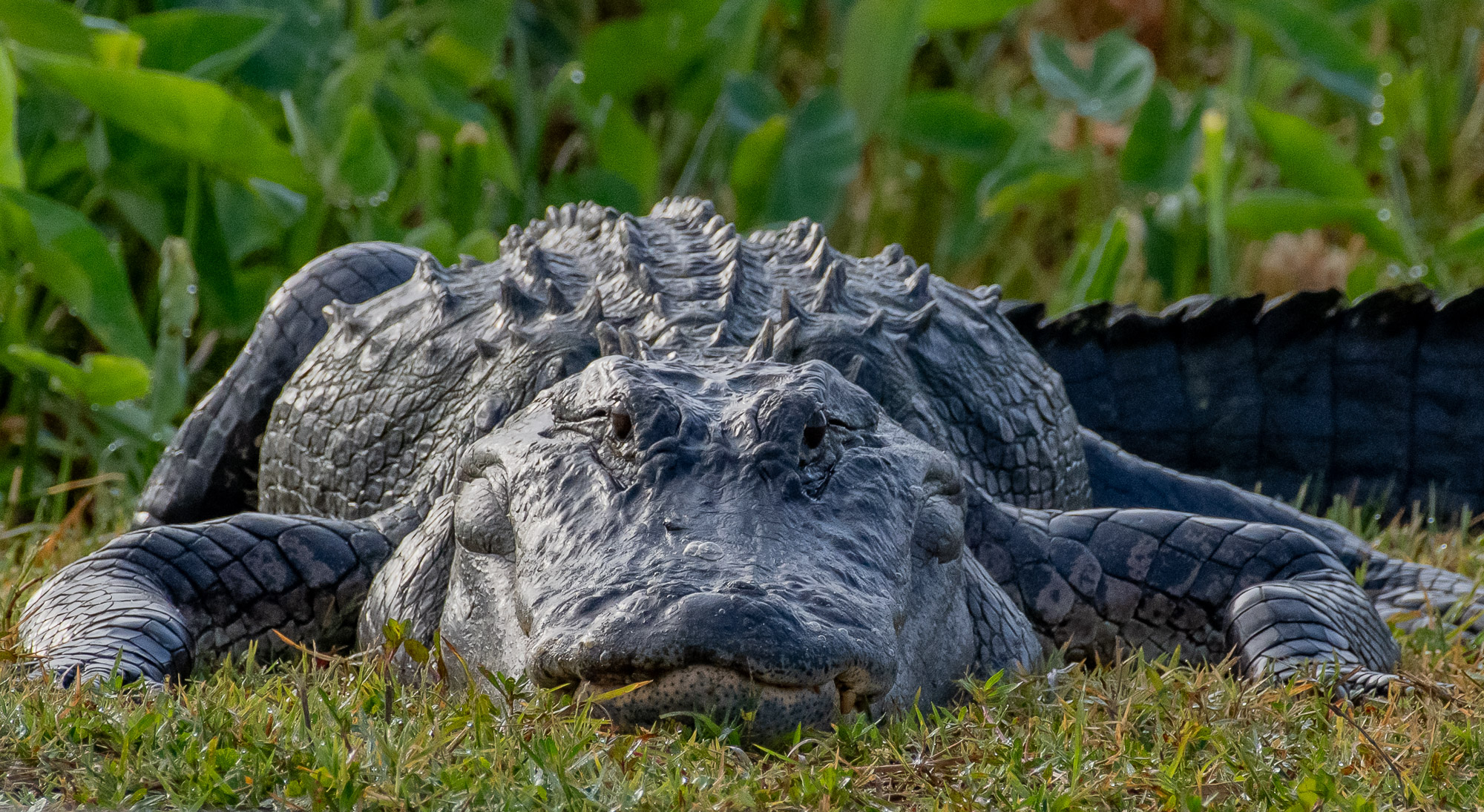
We thoroughly enjoyed our visit to the former mining pits and truly appreciate the efforts of the mining companies to reclaim the land. As we return to what used to be a regular outing schedule, Hardee Lakes County Park is high on our list for exploring natural places.
Enjoy your search for a natural place and come back for a visit!


For the record, Linda frowns at me preening at the table ha. I know a bit about mining from my days it the grind – as they say, I’ve seen good and I’ve seen bad – this place appears to be one of the goods. For the most part there are a lot of goods in this country versus what I have seen abroad and always think of those situations when I hear people clamoring for precious metals. – will simply leave that topic there. Bet that last Gator was thinking Uber-Delivery when it put its eyes on you and Gini!
LikeLike
Any time we can reap something positive from all the negative history we have it’s a good thing.
Yeah, that ‘gator was no doubt stunned how close I was. So was I once I diverted my gaze from the bird I was sneaking up on.
LikeLike
Oh my, that last picture! I looked up Hardy Lake County Park to see if we were going to be near it this winter. It is kind of out there in no mans land, at least for our travel plans this winter. Bummer. I love all your photos and the larger font!
LikeLike
Hard to believe I didn’t notice that big lizard until I was about 50 feet away. Watching birds can be dangerous work!
Thanks for the visit and the kind words. Glad you like that larger print. It was a selfish move so I could see what I was writing!
LikeLike
So many wonderful photos! A couple of favorites: The Sandhill Crane pair, and the Great Egret with outstretched wings mere millimeters above the lake surface.
LikeLike
Thank you, Peter. We had a fun morning.
LikeLike
Oh, this collection of photos, observations and comments is just such a refreshing and light-hearted excursion! You had me giggling with the wurst. Funny how the Prince Baskettail and the Alligator observed you with almost the same expression 🙂
I’m really tickled with the quality of these wetlands, and to think that only 60 years ago they were raw scars. It says a lot for the conservation efforts, and for the balmy climate.
LikeLike
Thank you, Sam.
Can you imagine if that dragon were the size of that ‘gator? Wait – I think I’ve seen that movie.
I grew up here so experienced the initial mining, Gini and I both had relatives working in the industry, watched how ugly the process is and remain amazed at how the land has returned to its natural glory.
LikeLiked by 1 person
Looks like a great outing. The pricklypoppy is beautiful. I haven’t seen one since I saw them years ago at Circle B when it first opened.
LikeLike
It was a good morning, Dina.
I’m always astonished how bright yellow that pricklypoppy is.
Thanks for visiting!
LikeLike
Every one of these photos seems to demand pride of place, and a response, but that would make my comment longer than your post! Here are a few things that caught my eye. The Carolina desert chicory is very similar to ours, but it has far more petals; I’d call it ‘floofier.’ The look in the eye of the loggerhead shrike is cautionary at best, and that lotus! I’ve never seen such a macro/closeup of the flower, and it’s absolutely gorgeous. For two years I’ve been hoping for some that would allow a closer-up photo, but haven’t found them, just as I’ve never seen that other yellow beauty: the prickly poppy. Some day!
LikeLike
I really appreciate your extremely kind comments.
This park is in a sparsely populated county but with four lakes and healthy surrounding habitat it’s a magnet for all sorts of natural stuff. We used to visit often during bird migration, but it’s filled with beautiful things year ’round.
LikeLiked by 1 person
The last one is monstrous! 😄
LikeLike
You should have seen it up close! Going through my head was “how fast can it run at that size?”. (Doesn’t matter, it would be faster than me!)
LikeLiked by 1 person
😄😄😄
LikeLike
I hope your work is published as its quality is outstanding!
LikeLike
You are too kind, Maria, but thank you!
LikeLiked by 1 person
As always, your photos are marvelous! I had the same thought as Brian about your last photo, and the same thought as Steve about the close-up of the lotus, at least about the eye-catching part, not the bananas.
I also keep learning new vocalizations by Red-winged Blackbirds–their vocal range is remarkable.
LikeLiked by 1 person
A lovely selection Wally.
Top award goes to the Shrike, that’s a geat capture I had to smile.
As for the last image, I hope you used a very long lens!
LikeLiked by 1 person
The Shrike gave no ground. Just nasty stares.
See my reply to Steve Schwartzman concerning that last image. There is not a lens long enough ……….
LikeLiked by 1 person
That’s quite an eye-catching closeup of the lotus. You’ll have to explain how all those miniature bananas managed to get in there and grab hold of the central disk from behind.
How surprising that you showed only a single picture of a Sterna forsteri because I’ve always heard that one good tern deserves another.
The egret’s reflection adds a lot to the picture.
What a coincidence that you showed a male blue dasher dragonfly just a day after I did.
That alligator stare-down is a good way to close out the post.
LikeLike
There was a second Forster’s, but it saw we were having sausage for breakfast and so we took a Tern for the wurst.
I took a close-up of those little lotus-bananas because they added apeel.
No dragon coincidence. I just seemed to recall something about imitation and flattery.
I still have adrenaline pumping just looking at that alligator. Long story. Short version: Spot the small bird you want a picture of, but take a quick glance around to see if you’re about to step on a ten-foot toothy reptile.
LikeLike