Transition
(Click to enlarge images, click again to zoom.)
We consumed the open sky and nearly infinite tan and green-flecked prairie as if it were an addicting and healing tonic. Which it was. We lingered at our breakfast as the serenade of Meadowlarks and Yellowthroats continued unabated.
Sigh. Time to move along.
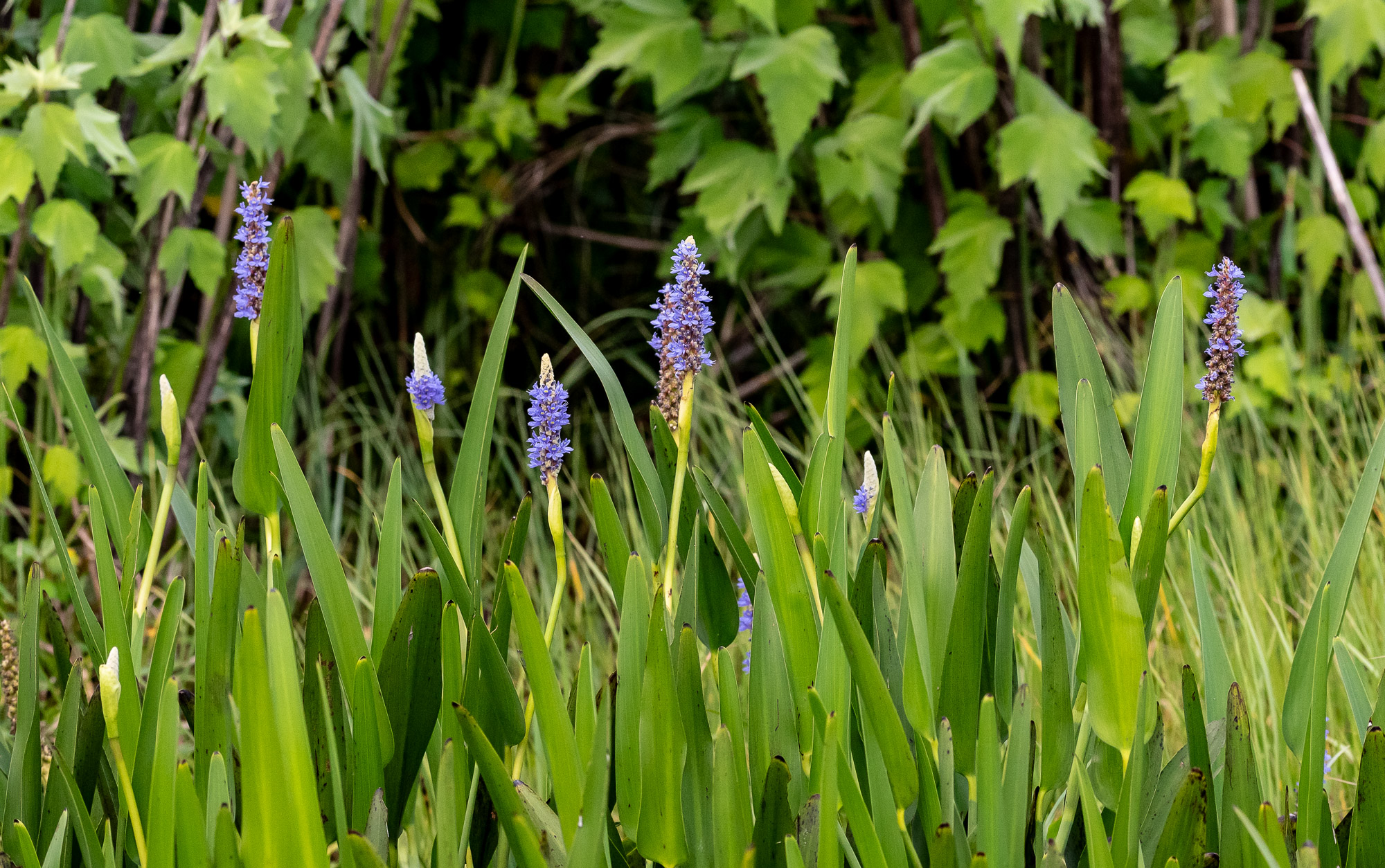
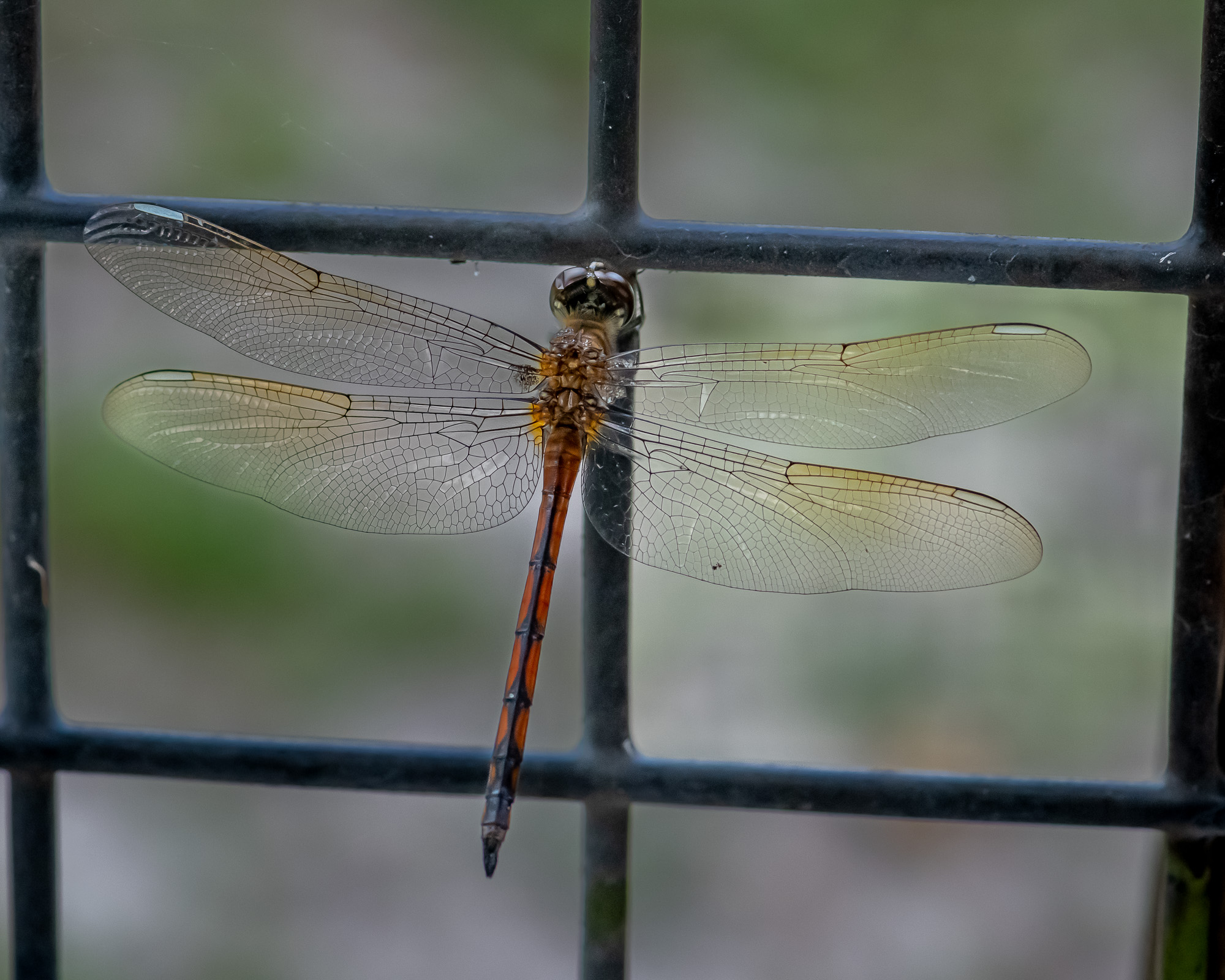
A splash of bright purple flashed into view and a large white bird materialized among the greenery. Water. Pickerelweed and a Great Egret signalled the beginning of habitat transition from dry to wet prairie. Two large alligators sunning among blooming water hyacinths underscored the change. The Three Lakes Wildlife Management Area* actually borders (you guessed it) – three lakes: Jackson, Kissimmee and Marian.
Analysis of middens and mounds indicates humans have inhabited the shores of these lakes for hundreds of years. In the 19th century, pioneers settled into the area due to the abundance of fish and game. The nearby grass prairie was ideal for raising the wild “Florida” cattle left by Spanish explorers. One thing those cowboys learned was the importance of periodic burning of the prairie to prevent the growth of pine trees and scrub palmetto.
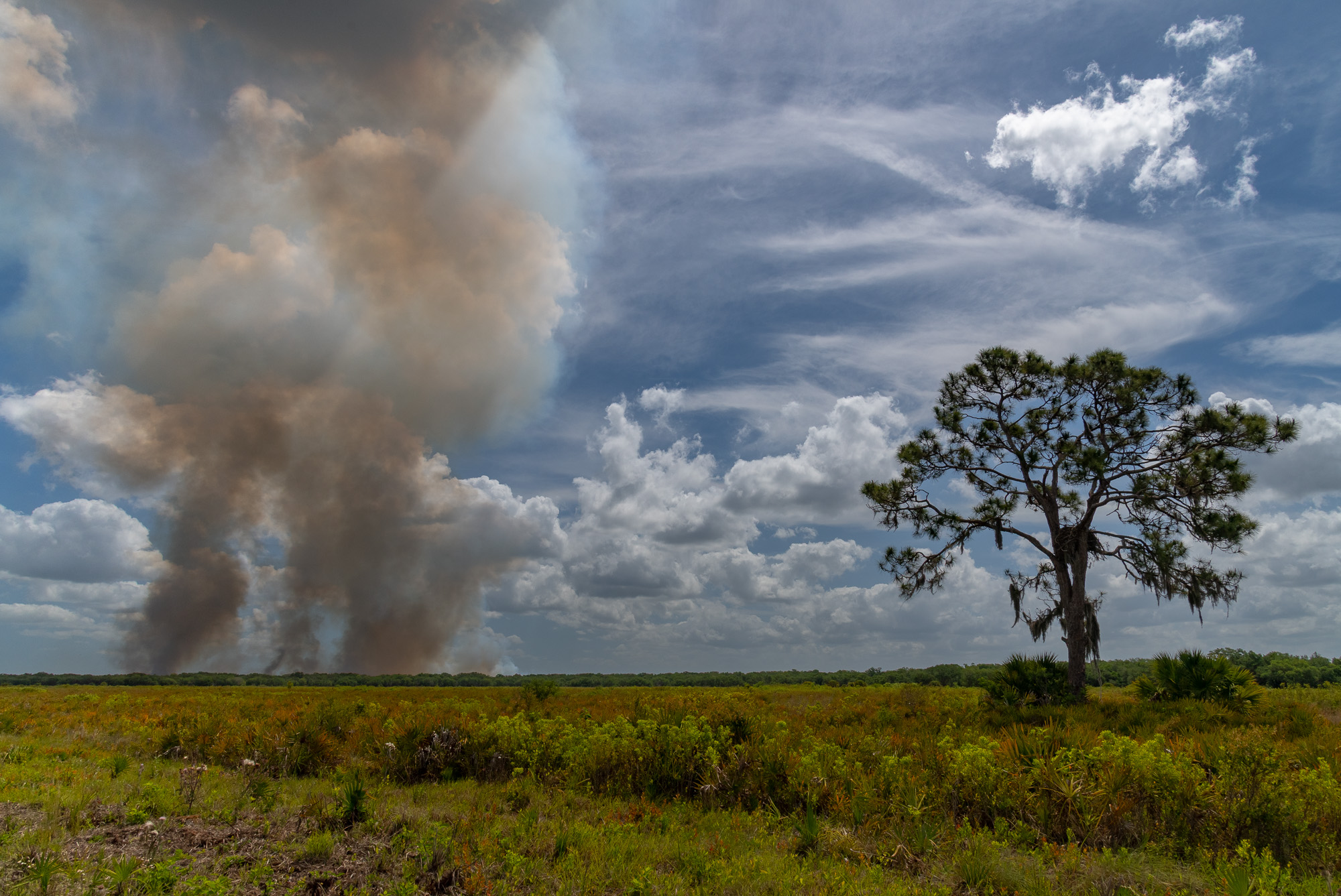
Speaking of fire management. The header image was taken as we moved from dry to a wet environment. The pattern of smoke suggests this was likely due to prescribed burns which occur on a regular schedule. That pine tree contains a Bald Eagle nest and an adult eagle flew from the tree as we approached. There has been a nest in that tree for as long as we can remember – a lot of years!
A short drive through scrub oak habitat and we reached the shore of Lake Jackson. Water birds. We meandered around to Lake Kissimmee and enjoyed the diversity provided by both lakes’ environments.
Too soon, it was time to head home. We will return.
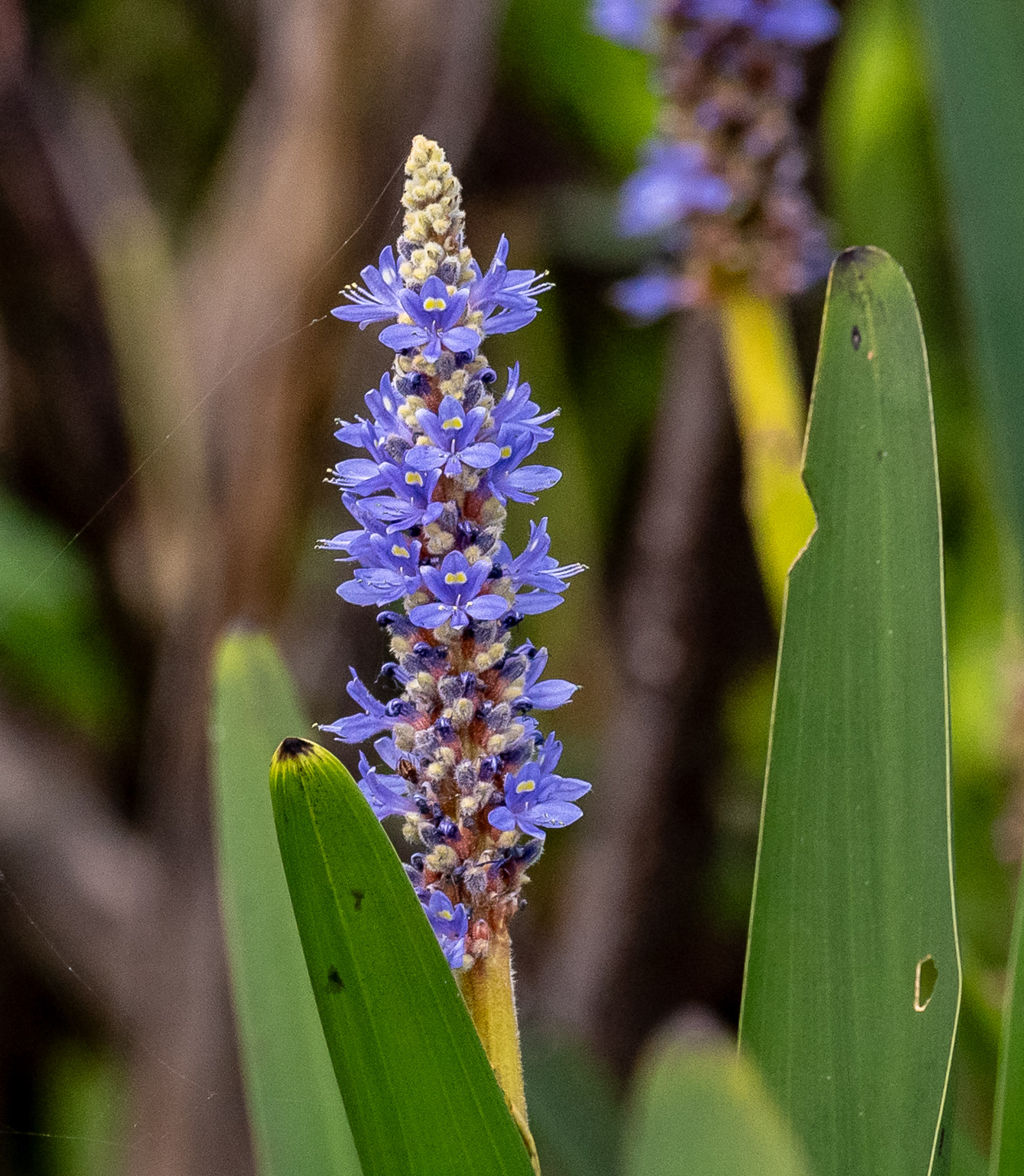
Lovely from a distance, a closer view of Pickerelweed (Pontederia cordata) almost resembles a collection of orchids.
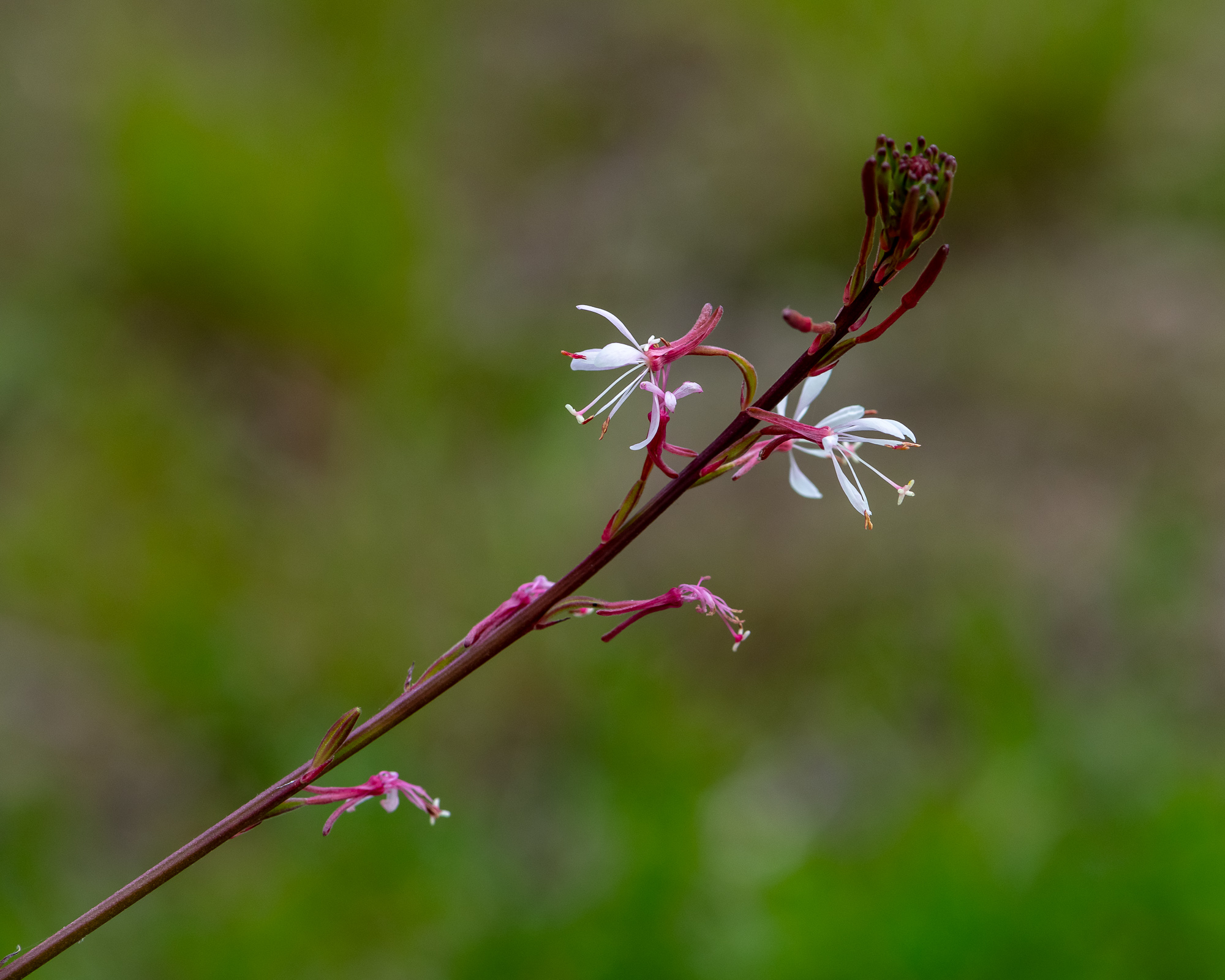
Abundant and beautiful. Southern Beeblossom (Oenothera simulans) seemed to be everywhere.
This Great Egret was too busy hunting to be bothered by our intrusion.
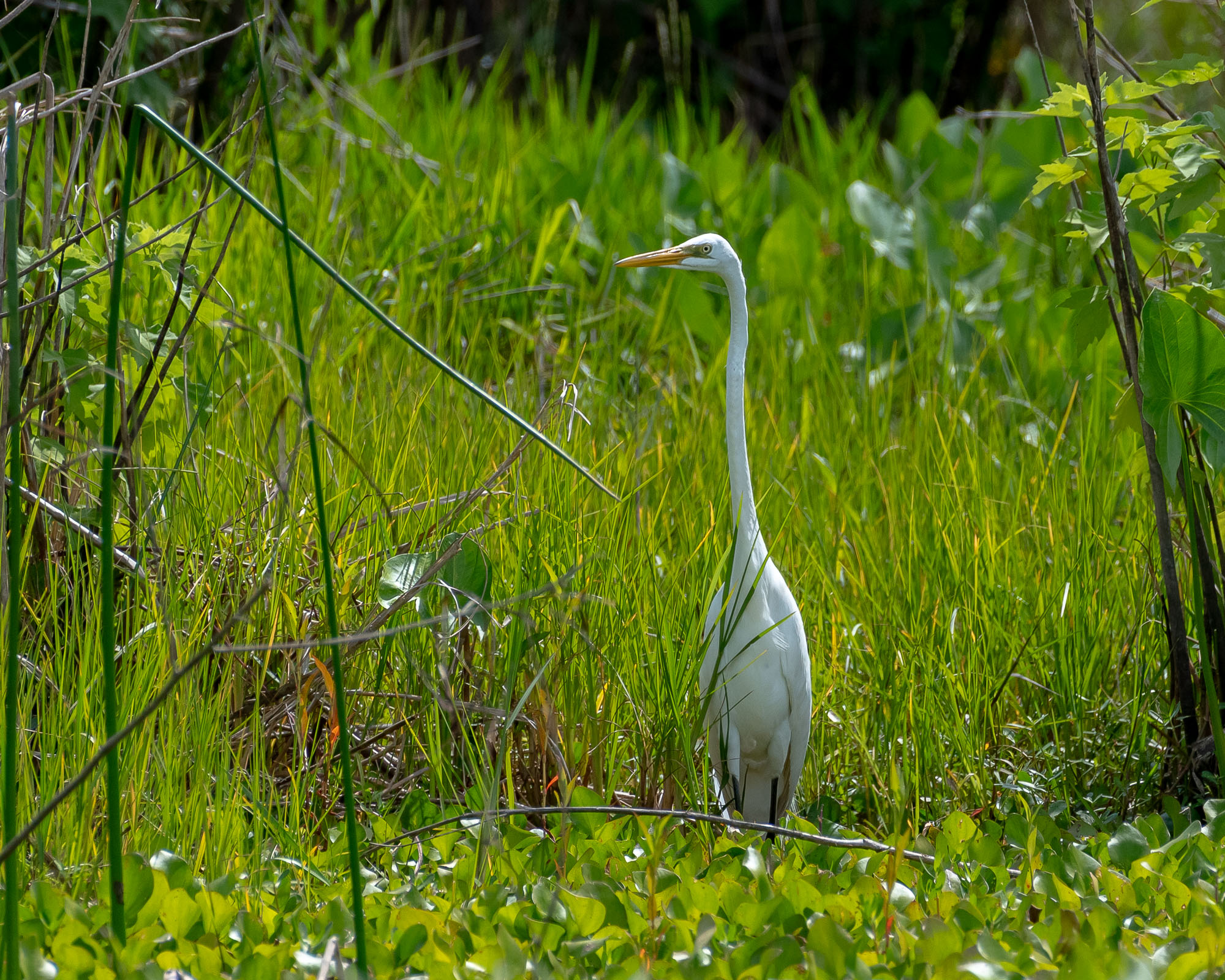
I don’t think this Common Buckeye (Junonia coenia) cared if it was prairie or marsh. As long as something with nectar was available.
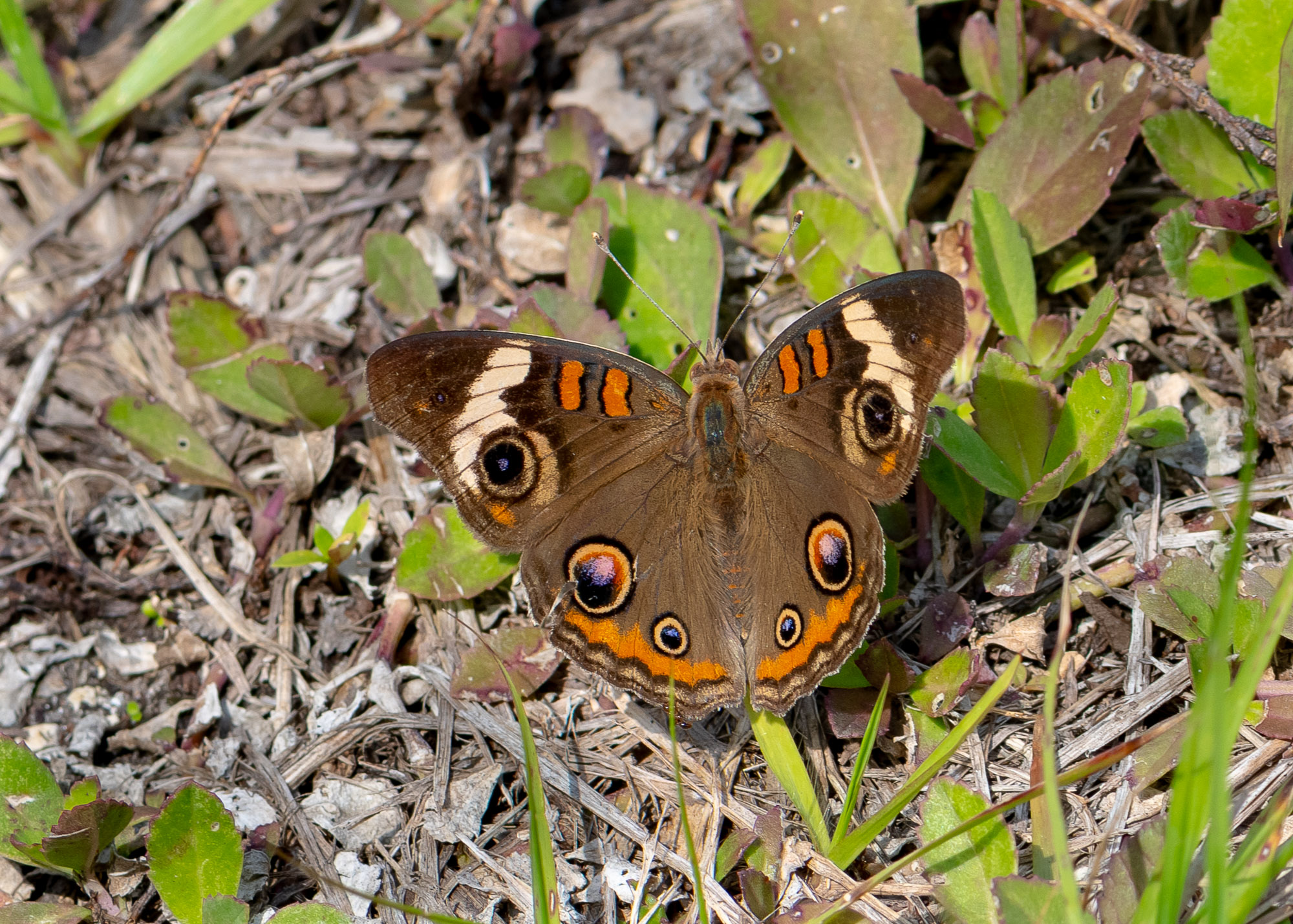
Tiptoeing through the hyacinths. Immature White Ibises are brown during their first year.
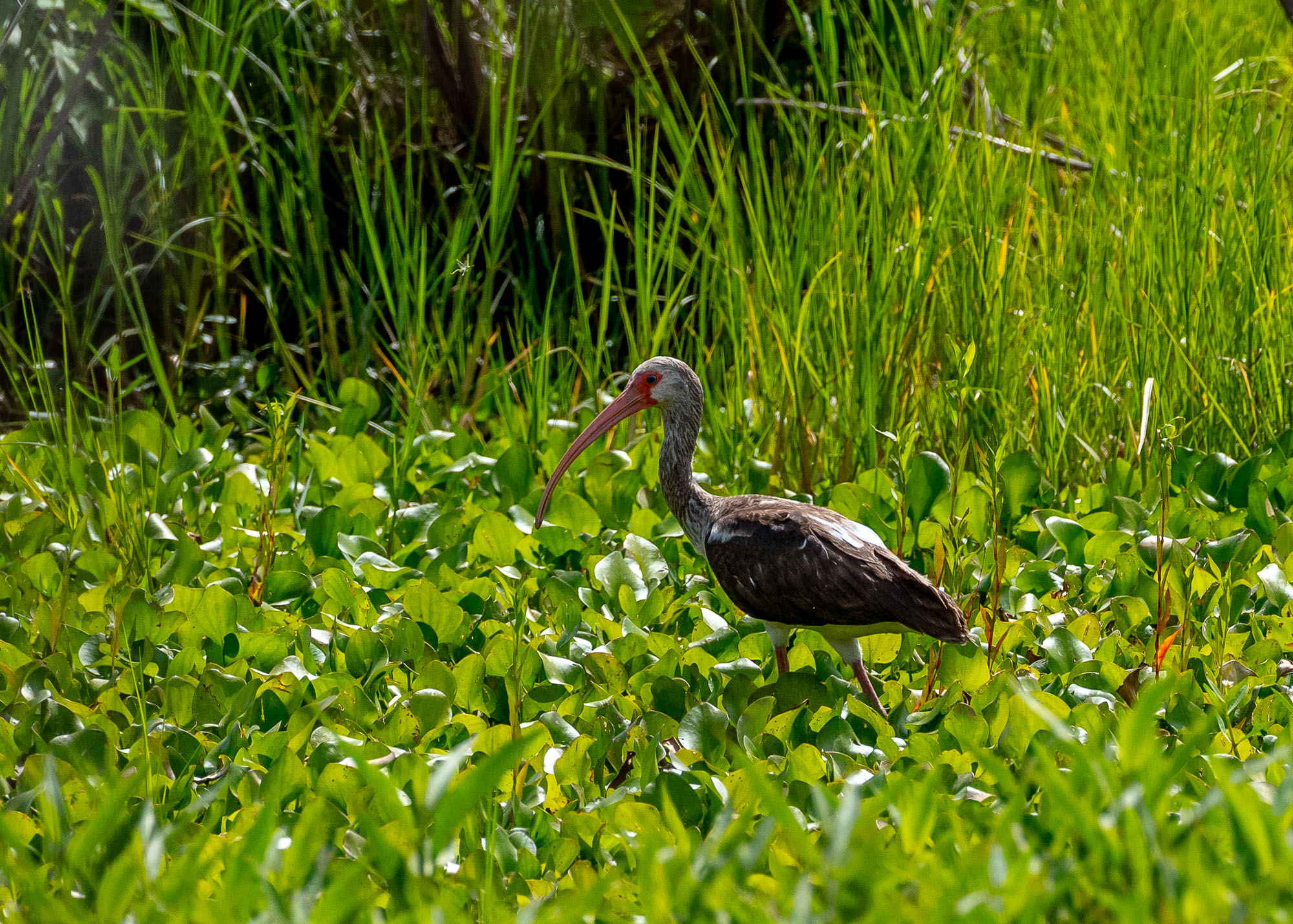
Near the water, we found plenty of dragons. This Four-spotted Pennant (Brachymesia gravida) clung to the fencing along a pier.
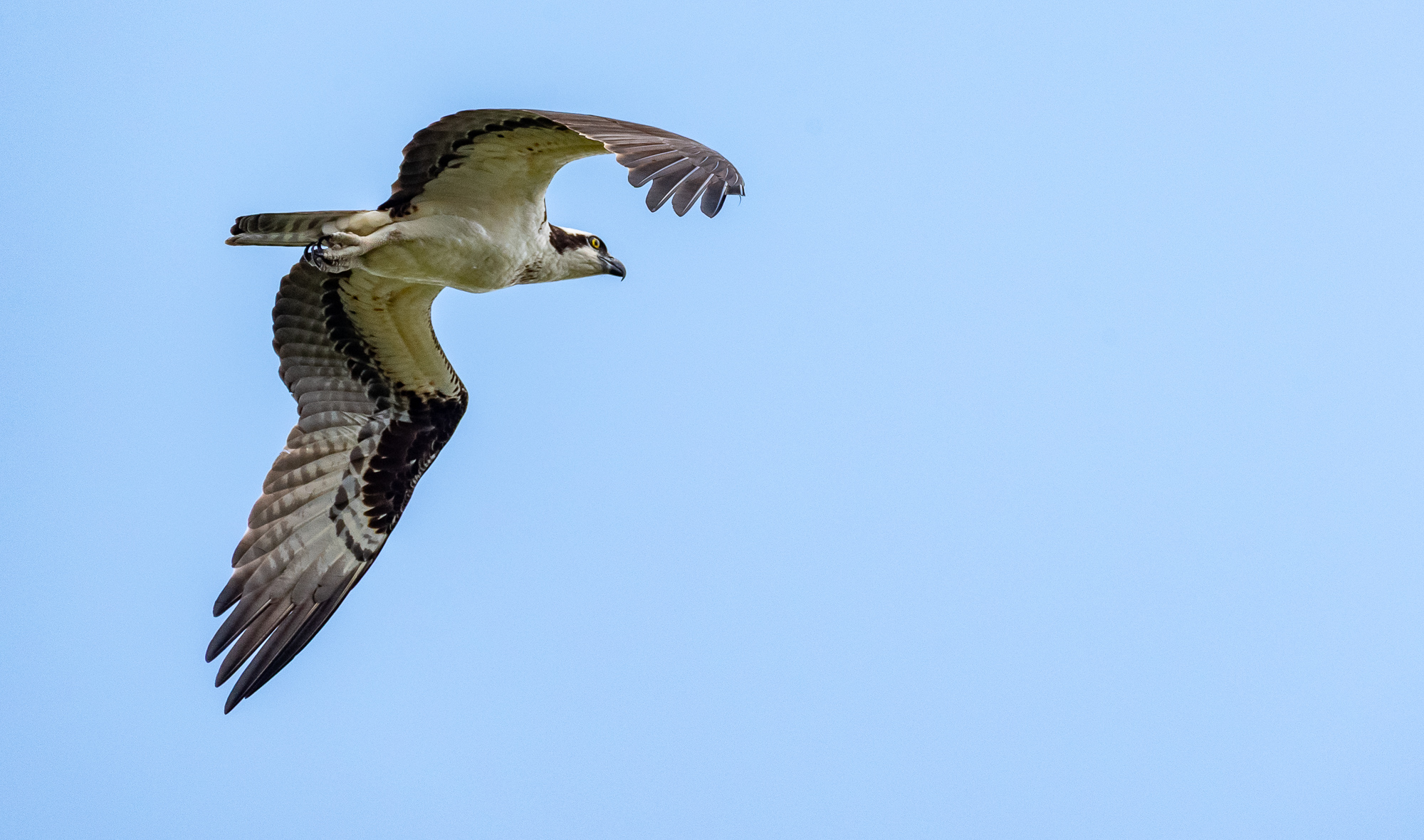
Lake = Osprey buffet.
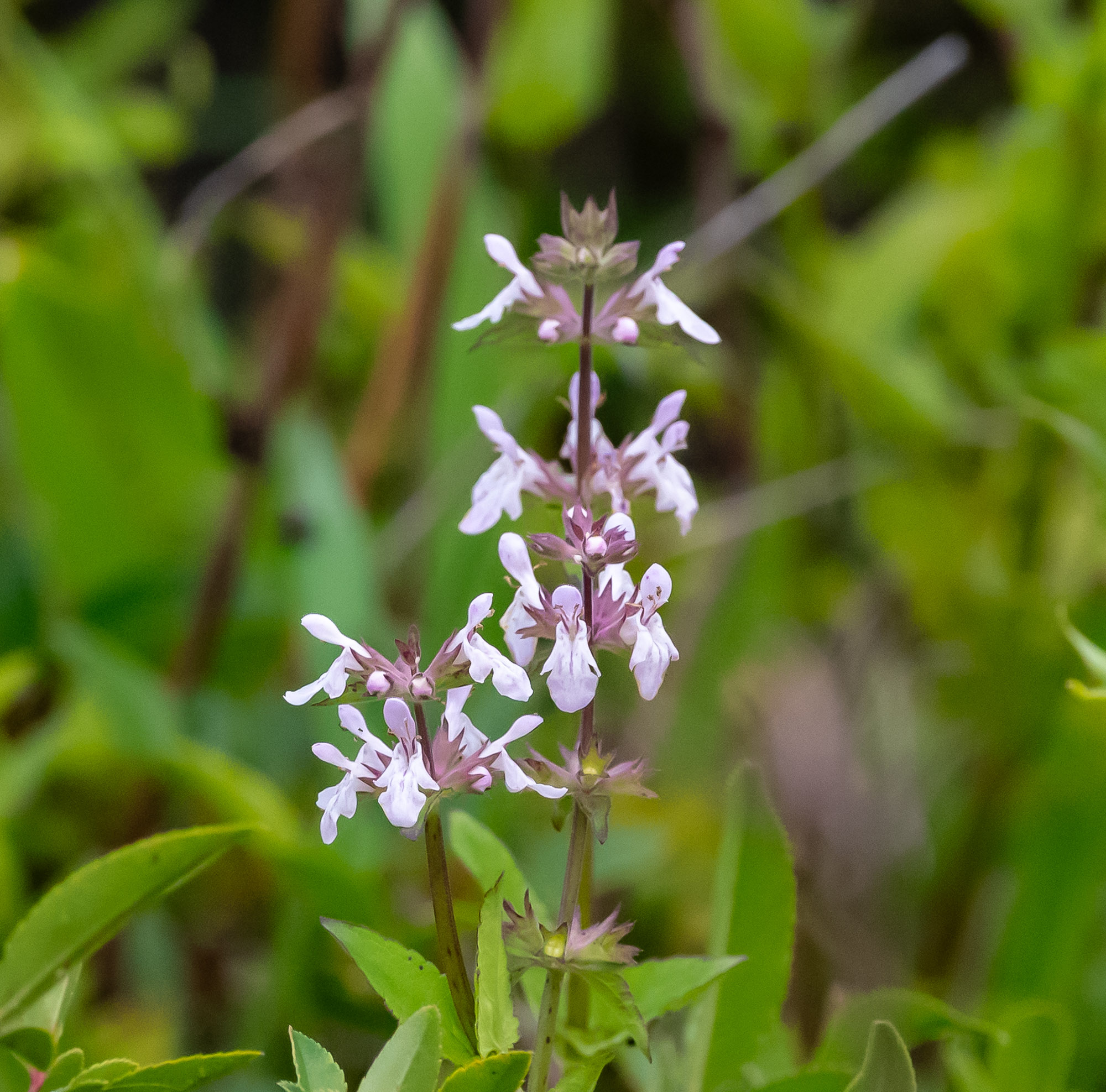
Thought to be endemic to Florida until the 1940’s, Florida Betony (Stachys floridana), a member of the mint family, has spread to several other states. It is prolific and often considered a nuisance weed. Also known as Rattlesnakeweed, due to the shape of its tubers, the plant produces really lovely flowers.
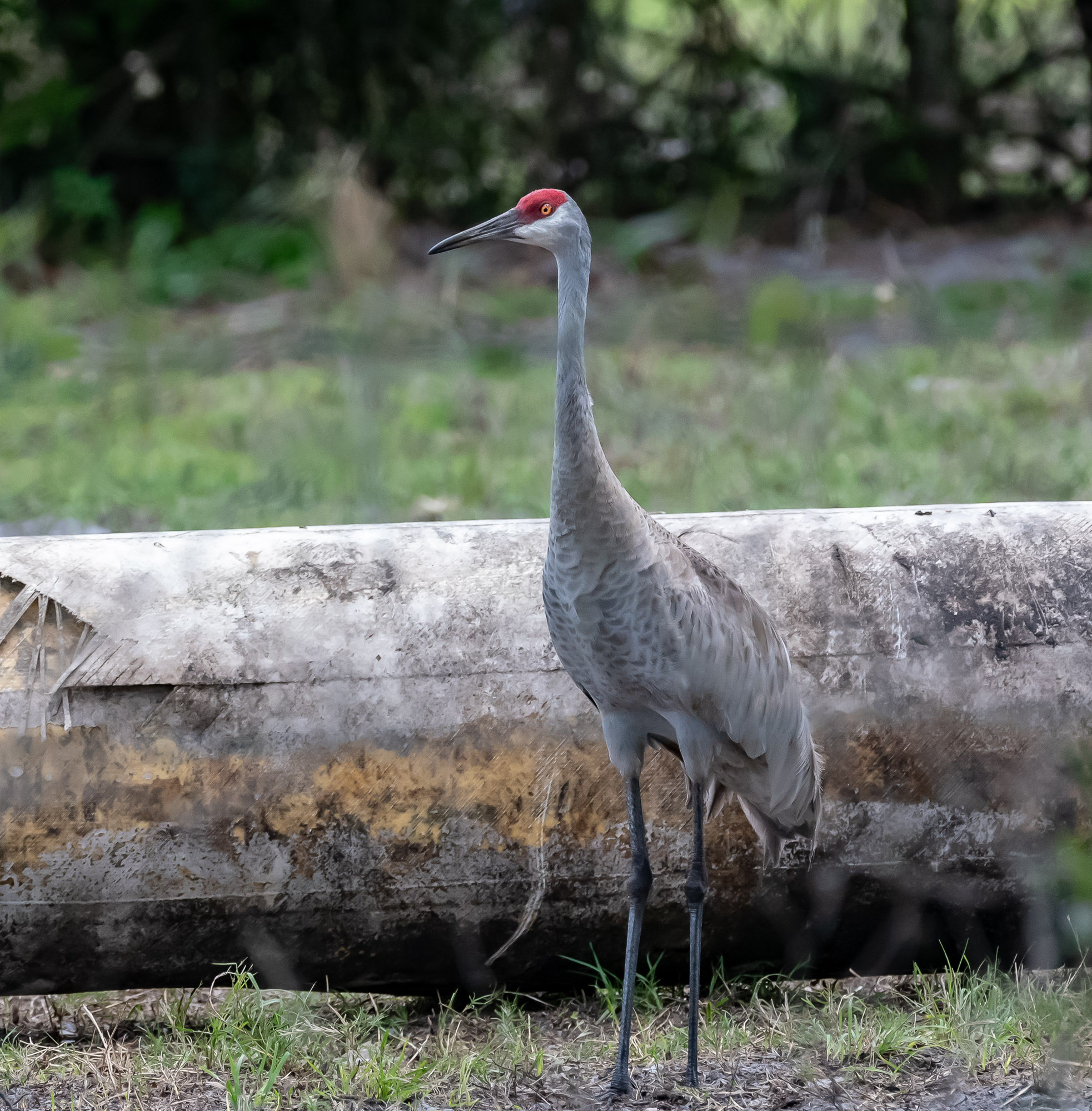
Sandhill Cranes breed in Florida and we are now beginning to see family groups on almost every outing.
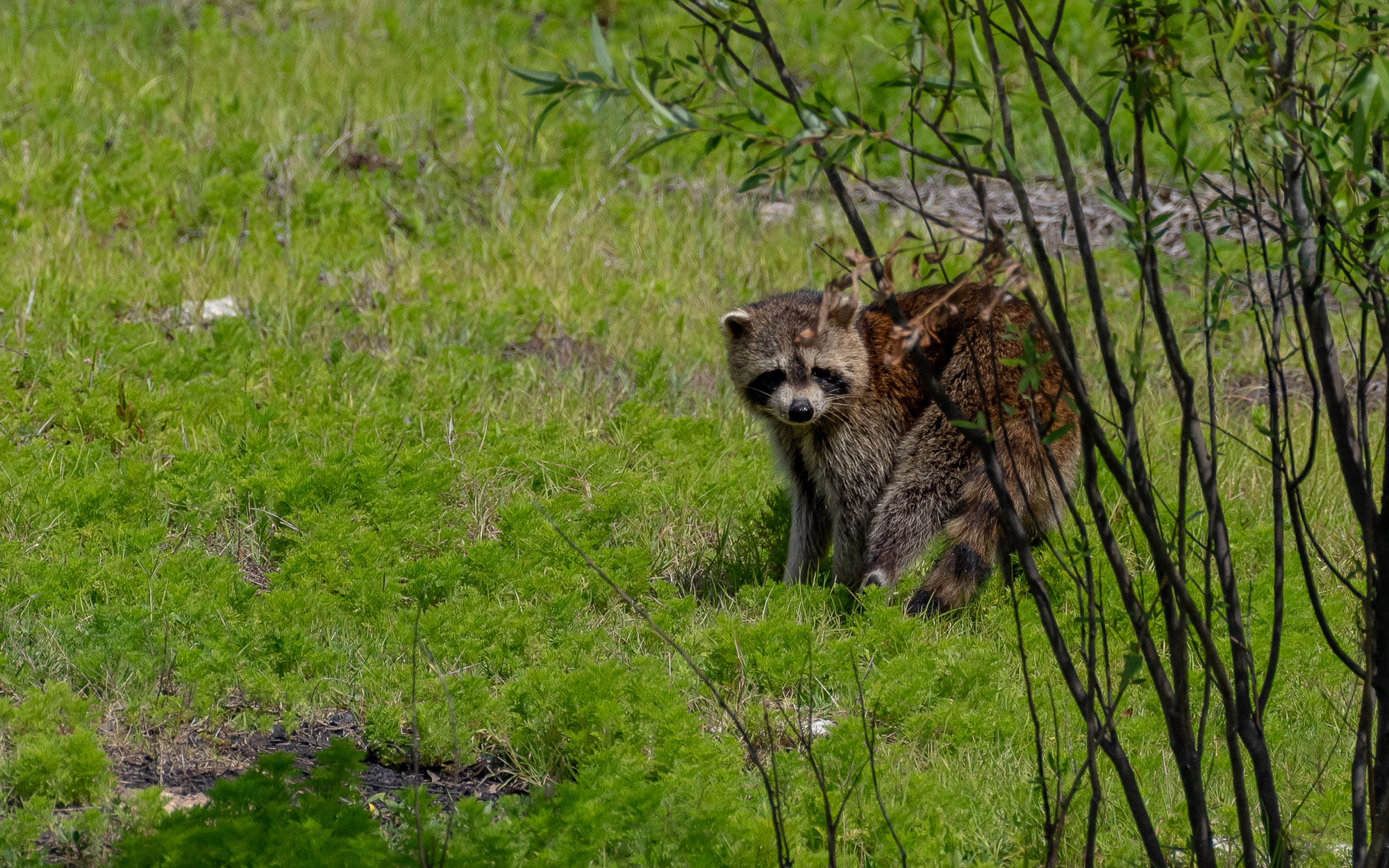
This is the largest raccoon we’ve seen in a long time. She didn’t take kindly to the interruption in her hunting.
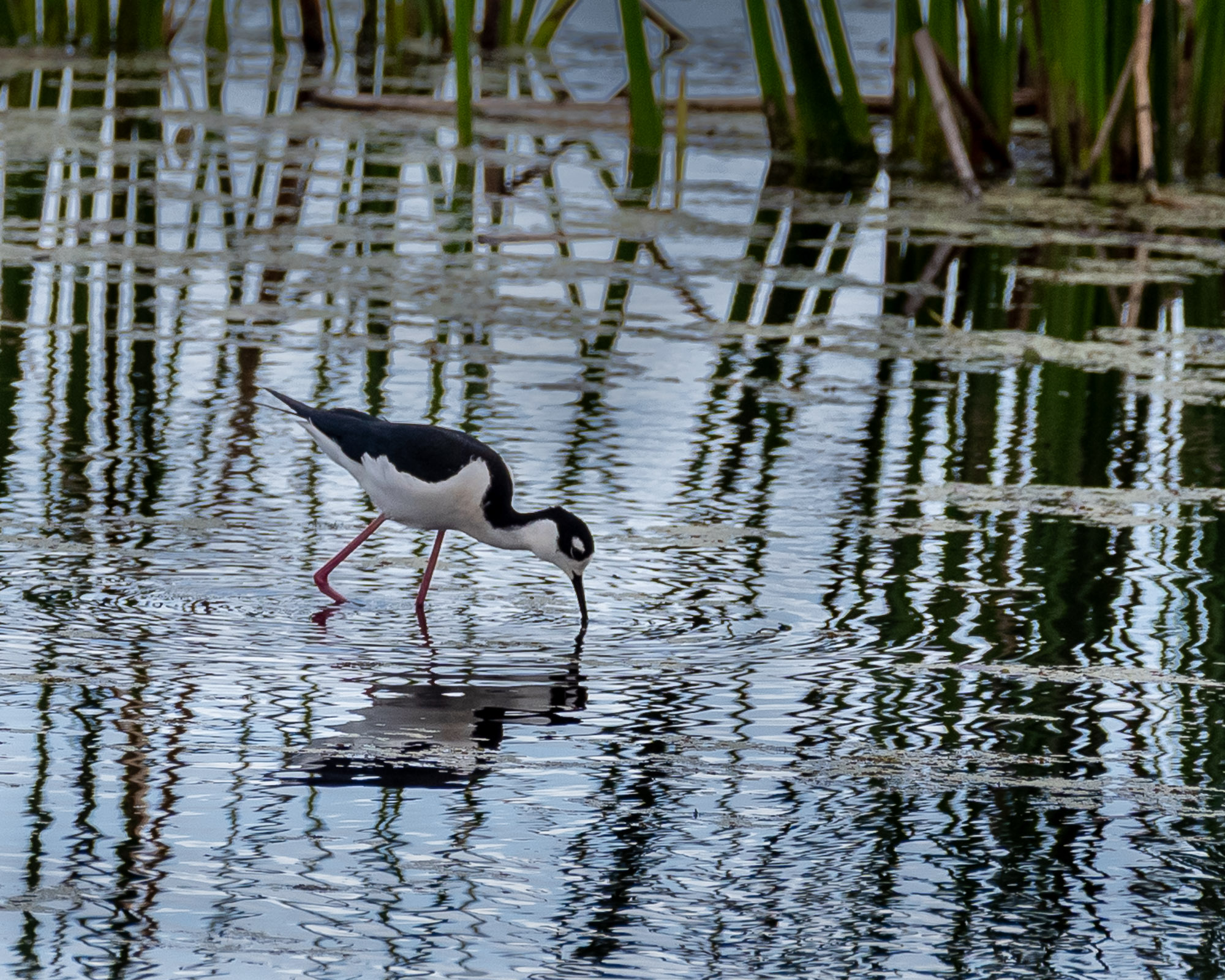
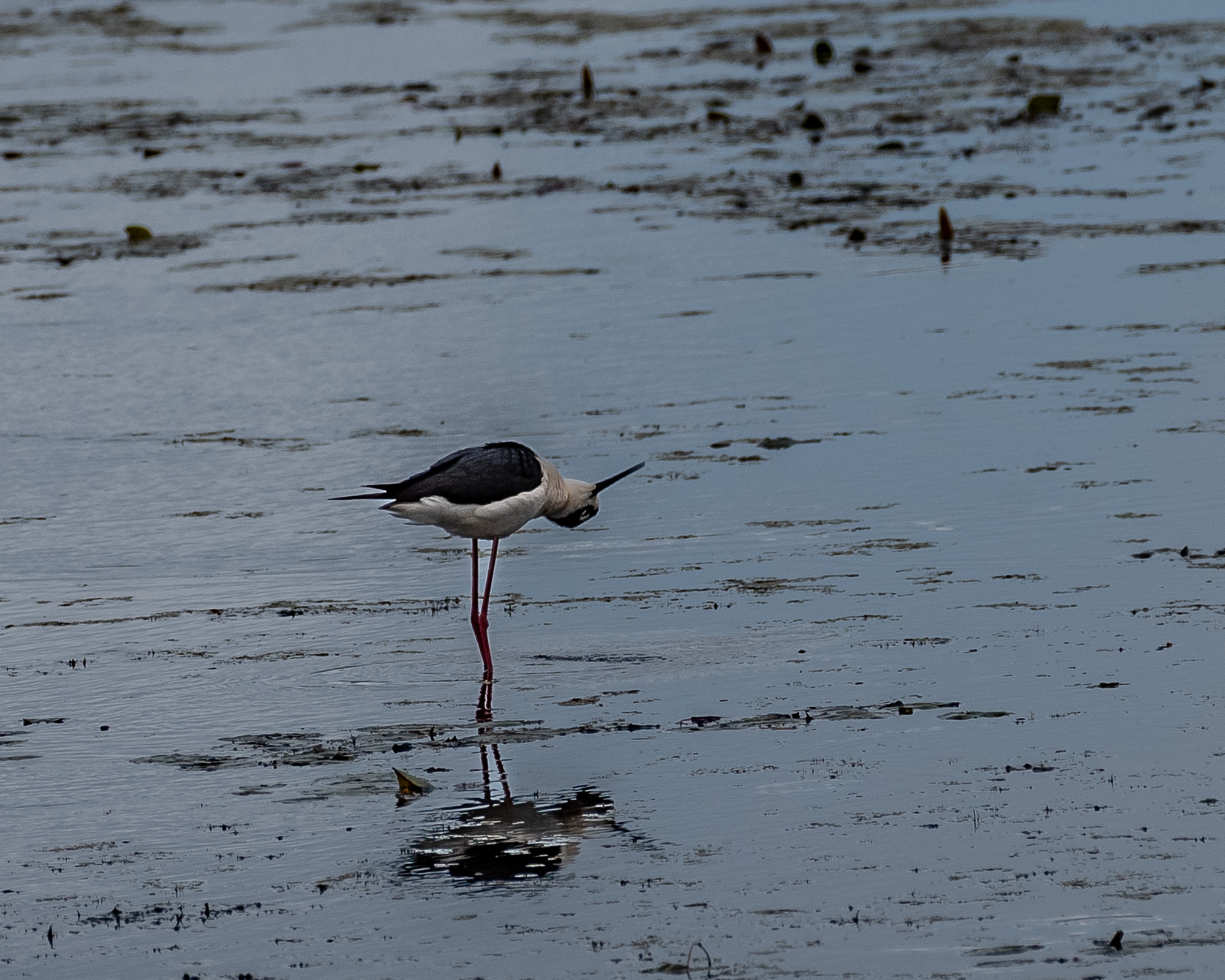
The shallows of the lake suited the Black-necked Stilts just fine. It’s important to look around once in awhile in case there is danger from above. (Helps to have a neck that can turn that far, too!)
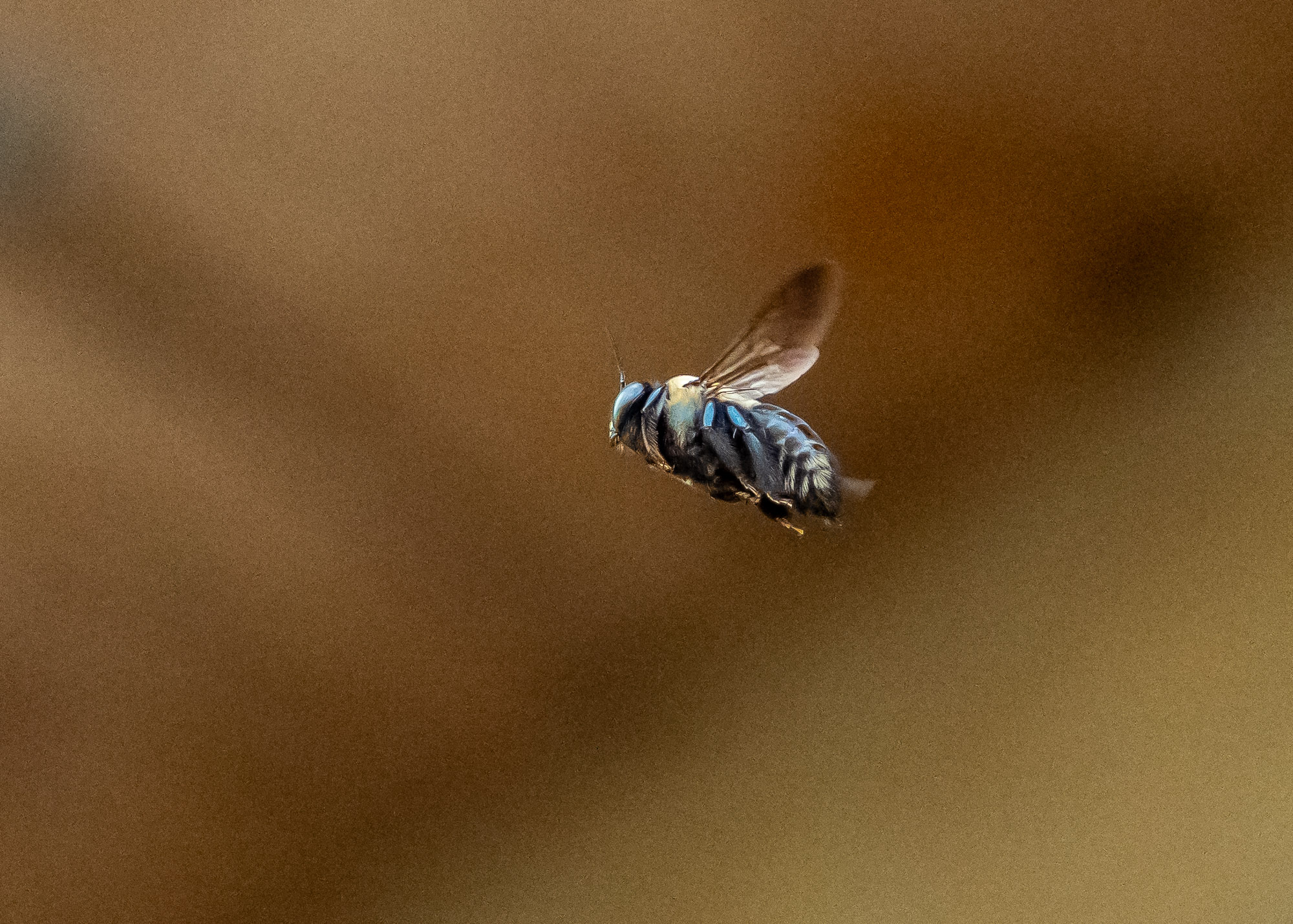
As we relaxed on a pier jutting into the lake, a large bee continuously patrolled above our heads. I think it’s an Eastern Carpenter Bee (Xylocopa virginica).
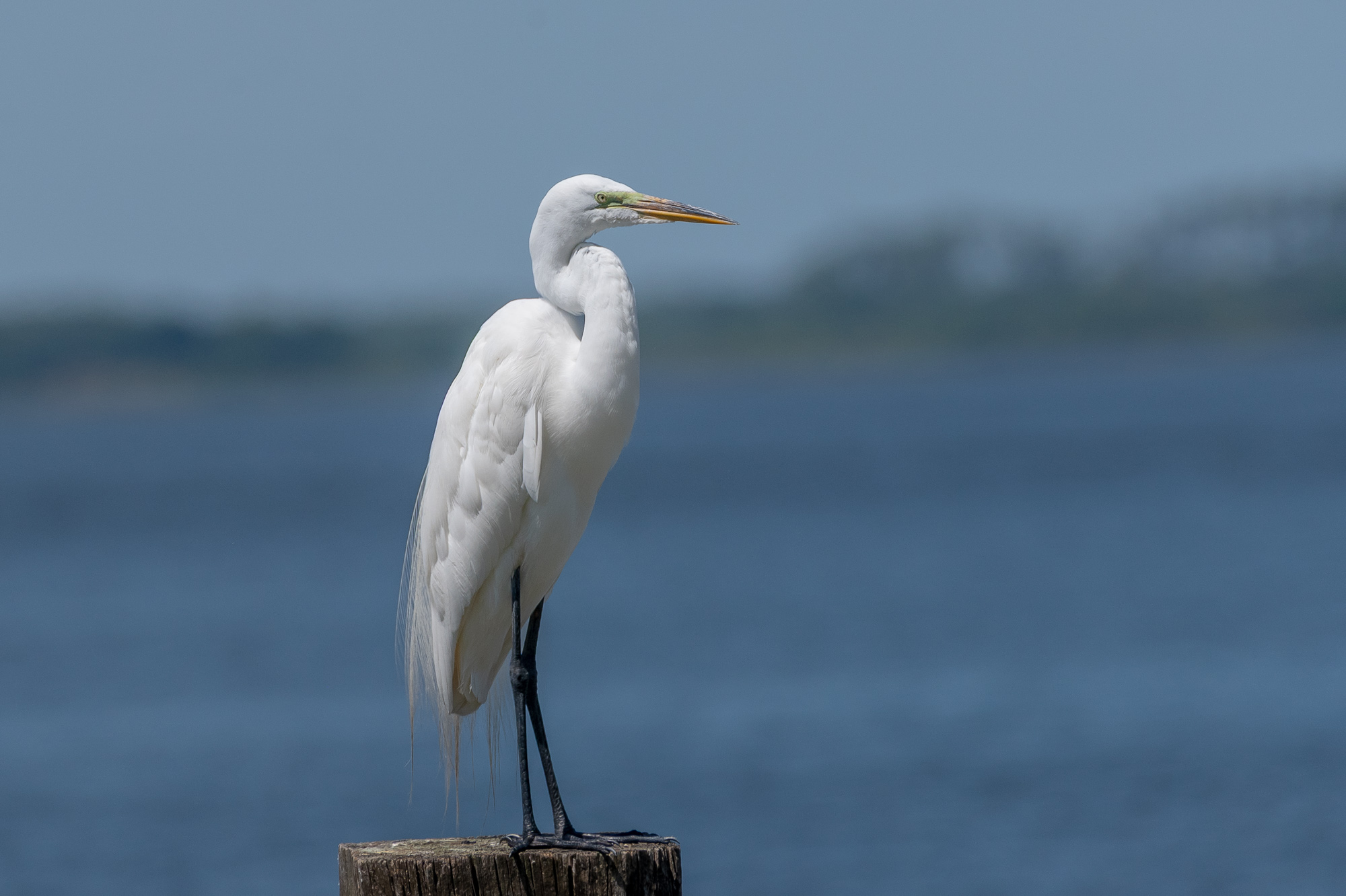
Another Great Egret. This one found this post made a fine place to look into the water without getting its feet wet.
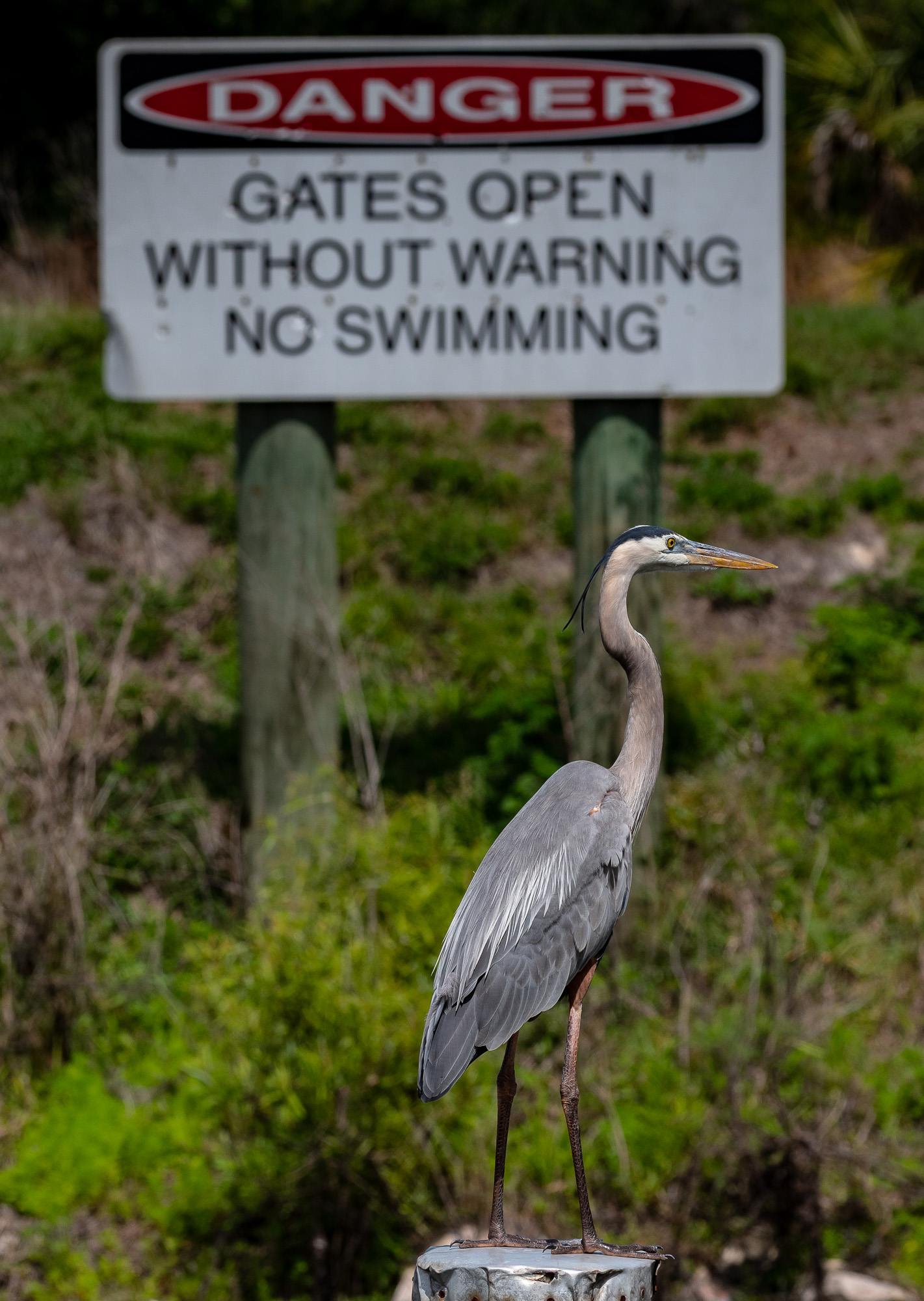
Several years ago, a canal was constructed which connects Lakes Jackson and Kissimmee. A dam provides flood control if needed. A helpful Great Blue Heron reminds us it’s not a good idea to swim here.
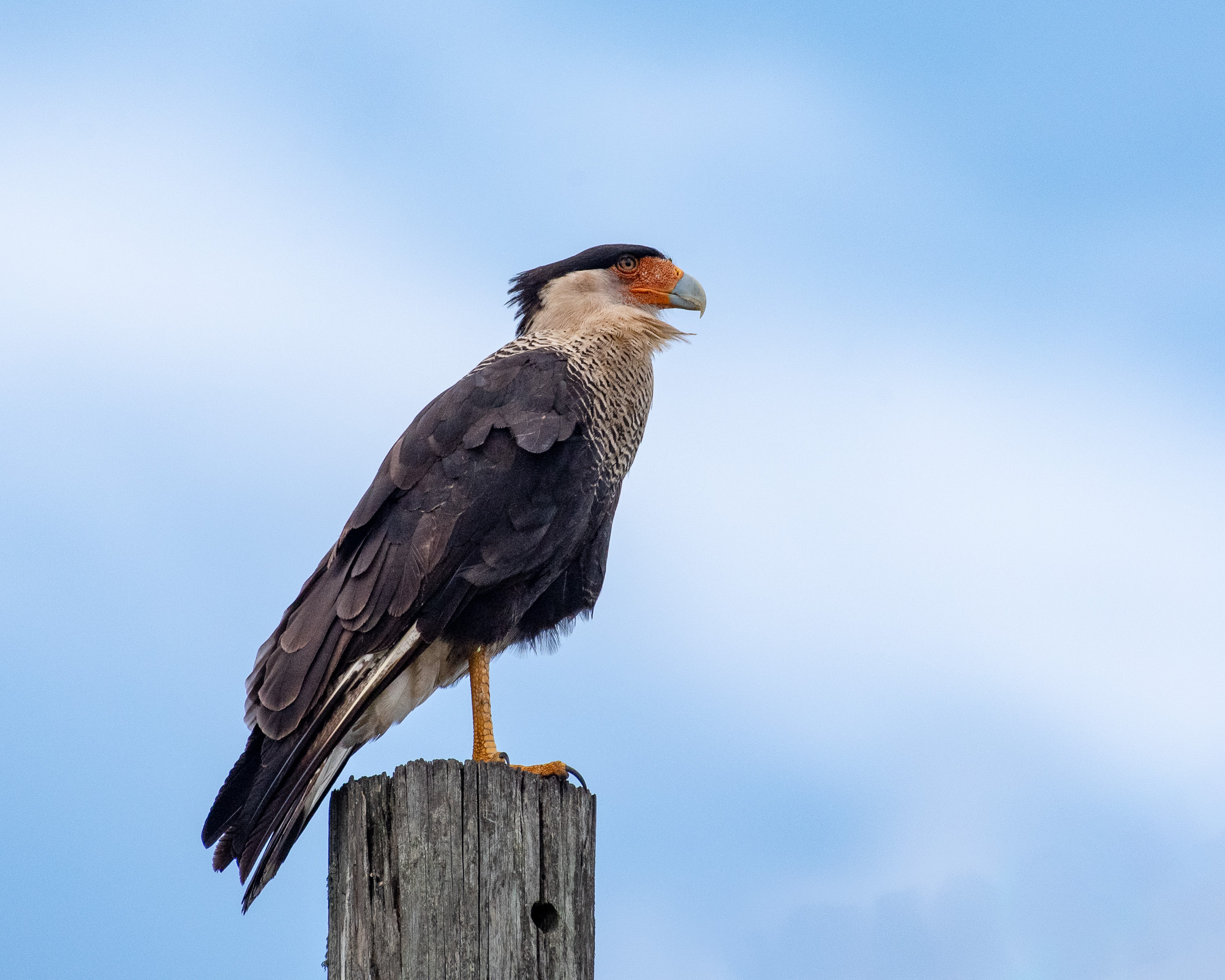
The Crested Caracara breeds in our area and finds the shorelines of lakes a great place to raise a family.
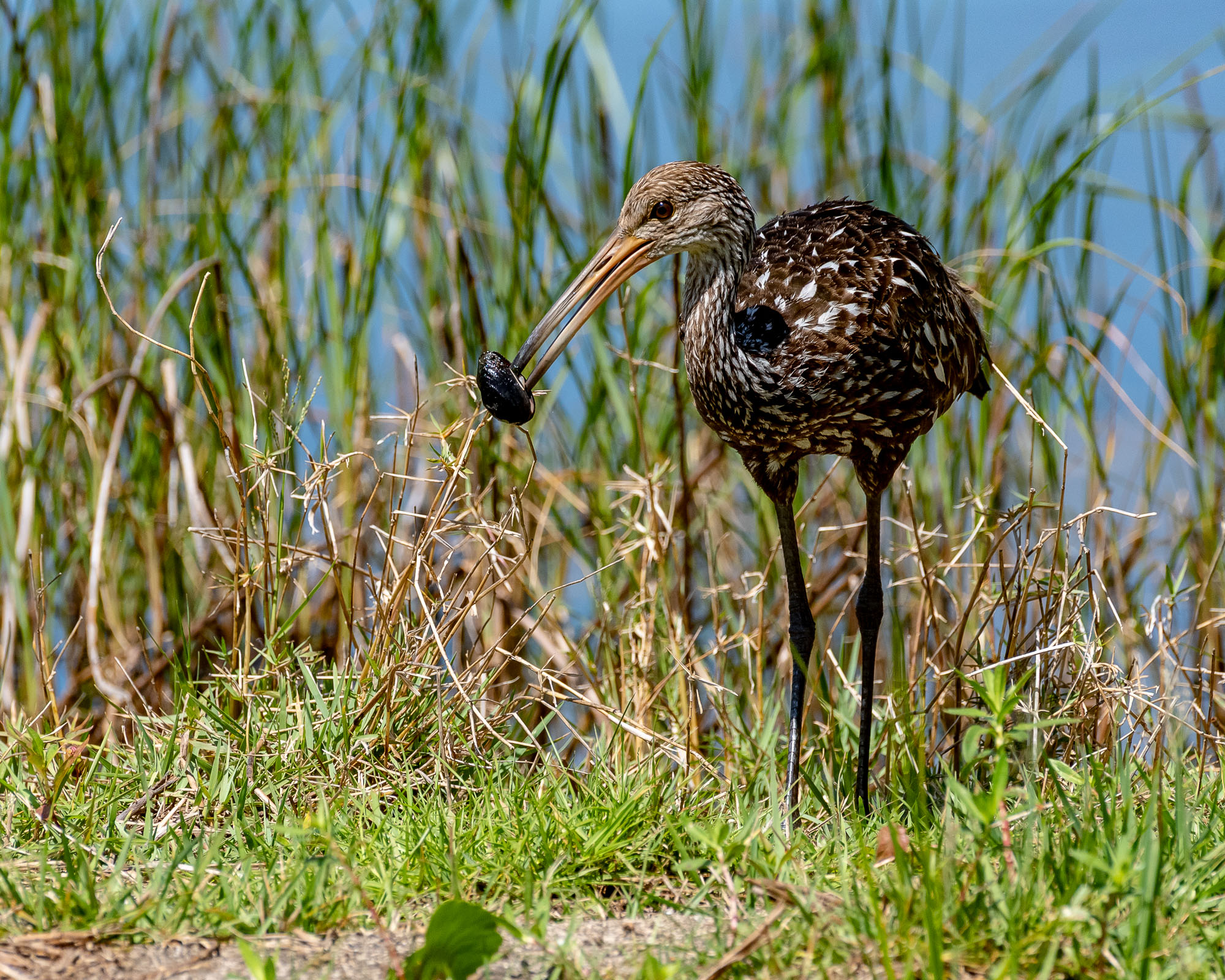
Limpkins love mollusks. This one is enjoying a freshwater mussel. The Limpkin is the only member of its taxonomic family (Aramidae). Unique birds which we enjoy observing.
Dry prairie. Wet prairie. Scrub woods. Marsh. Lake. It was a great day. Life is good.
Enjoy your search for a natural place and come back for a visit!
*More Information


What a wonderful abundance and variety of flora & fauna! Love seeing it all, and your explanations about what everything is. Much appreciated!
LikeLike
It’s a rewarding area to explore. The expansive grass prairies are not what most folks think of when Florida is mentioned. The added attraction of big lakes and forest edges act as magnets for an incredible diversity of life.
LikeLike
Nice variety. You are lucky to have a Crested Caracara in your area. I’m told they aren’t often seen north of the border except for a small area in Florida.
LikeLike
Thanks, Brad.
There is a healthy population of Caracara here and it’s great to see them raising the young ones.
LikeLiked by 1 person
Loved your Limpkin poetry… now I’m waiting for some Pickerel Doggerel 🙂
Guara is one of my favorite wildflowers – is this Southern Beeblossom related to guara? So delicate and graceful and beautiful colors!
Your Limpkin-mussel photo inspired me to go look up what Limpkins eat… I’d been under the misconception that it was just apple snails. But they are more flexible than that, which is excellent news for their survival as a species!
Thanks for taking us on a wonderful walk!
LikeLike
Doggerel is my usual method of composing a poem. Very little rhyme and reason involved.
Research on one of our mutually favorite flowers found the following. Oenethera simulans was previously named Gaura angustifolia. The genera Gaura and Calylophus were once separate but have now been combined with Oenothera based on DNA evidence. So now we know!
Watching the Limpkin use its scissor-like bill to easily open that mussel was fascinating. Like me, they are fairly opportunistic eaters.
We appreciate you accompanying us on our outing! Let’s do it again soon.
LikeLike
Love that picture of the Pickerelweed, who would have thought that those flowers would looks so stunning close up like that!
LikeLike
It’s amazing what we discover when we slow down and actually observe Nature.
Thank you for visiting with us!
LikeLike
A beautiful collection. Thanks for sharing. Happy Sunday!
LikeLike
You’re welcome!
LikeLiked by 1 person
I’ve seen Black-necked Stilts twist their heads, but never so dramatically. That’s a great photo.
This was the year I learned male Eastern Carpenter bees will hover mid-air, either protecting territory and a nest site, or to attract the attention of a potential mate. The first time I saw one hanging in the air, it was an odd sight, especially since it went on for quite a long time; eventually, I got bored watching and walked away, with the bee still hovering.
As soon as I saw your first photo, I thought “prescribed burn.” It’s interesting how recognizable smoke from one of those events can be, and even more interesting to watch the color of the smoke change from the initial ignition to the full burn to the fire’s decline.
Raccoons. A friend who’s moved into rather a high-end ‘adult community’ in the Kansas City area called the other day with quite a story. At dinner in the main dining room one night, all was well until a young raccoon dropped out of the ceiling and on to one of the tables. Post-capture, several other young were found; at last report, they still hadn’t found the mother. I know, I know; they can be terribly destructive. Still, they have to be among the most curious and creative creatures around. I’m a fan.
LikeLike
That bee remained on patrol in the same spot, which was at the end of a pier, for the 20 minutes we were there. Made me tired!
Raccoons are so enterprising and cute it’s hard not to love ’em. Until they destroy your attic or screen enclosure or steal all your hen eggs. Even with all their mischief (or because of it?) – like you, still a fan.
LikeLiked by 1 person
A full day for sure! I will just pass over my nemesis the Thumbed Devil Spawn and enjoy all the other fine finds hahaha…actually I like Ra coons, but yhey are a handful back home and destroyed my feeder system just a fee days before we headed west. Thanks for the many smiles in these shots!! Keep ’em coming.
LikeLike
Those masked mammalian marauders are definitely apex predators – in any environment. Great to see in the wild – on the back porch, not so much.
We really love that area and visit as often as possible.
Thank you for going along with us!
LikeLiked by 1 person
The stilt with its head twisted upside-down is funny. And nice stopping of the action in your shot of the carpenter bee.
Your mention of Stachys floridana expanding its range sent me to a map showing it’s now attested in a bunch of counties in southeast Texas.
“Limpkins love mollusks,” while true, as your photo confirms, has less zing to it than “Limpkins love pumpkins,” which has as the main thing working against it the fact that it’s not true.
LikeLike
I tried various twists:
“Who kin eat a snail faster than I kin? Why, of course, the Limpkin kin.”
or
“Gotta snail here, who wanna? Me! Me! Screamed Aramus guarauna.”
I gave up. (Thankfully.)
LikeLiked by 1 person
Looks like a great trip! Reading your opening paragraphs reminds me of a book I recently read, A Land Remembered. It’s about the early settlers in Florida. If you haven’t read it I think you will like it.
LikeLike
Thank you, Dina.
That is one of my all-time favorite books. If you travel to the east side of Lake Kissimmee and go down Overstreet Road, either side for miles is the land described at the book’s beginning.
LikeLike