Header Image: Carolina Wren
(Weather Note: Hurricane Idalia passed a couple of hundred miles west of us this past Tuesday and Wednesday. We experienced periodic intense rainfall and gusty winds up to about 50 mph. We are safe and had no problems. Please keep all those along the storm’s path who suffered damage and the many who are still without electric power today in your thoughts.)
Our morning in the Lake Wales Ridge State Forest has been glorious. We’ve had encounters with flora and fauna which grabbed our attention and we focused intently on specific subjects. We also took time to just relax and realize how fortunate we are to be able to enjoy this vast garden of delights which almost overwhelms our senses with sights, sounds, aromas, textures – truly an emotional experience. Small wonder we keep returning.
Thank you for indulging us as we shared bits of our visit. Although it’s time to head home, we know we shall return soon to – The Ridge.


Visiting an area containing several thousand acres of natural resources to explore is not available to everyone. Hopefully, you can find even a small spot where you may indulge your senses in the enjoyment of a blooming wildflower, the fluttering of a butterfly, a bird singing just for your ears, a sunset. In such moments, we should all be able to agree: Life Is Good.
Enjoy your search for a natural place and come back for a visit!
Header Image: Great Crested Flycatcher
We had been spotted by a gang and were soon surrounded. Either side of the path was covered with dense Saw Palmetto as far as the eye could see. Our only choice was to forge ahead and hope we would not be assaulted.
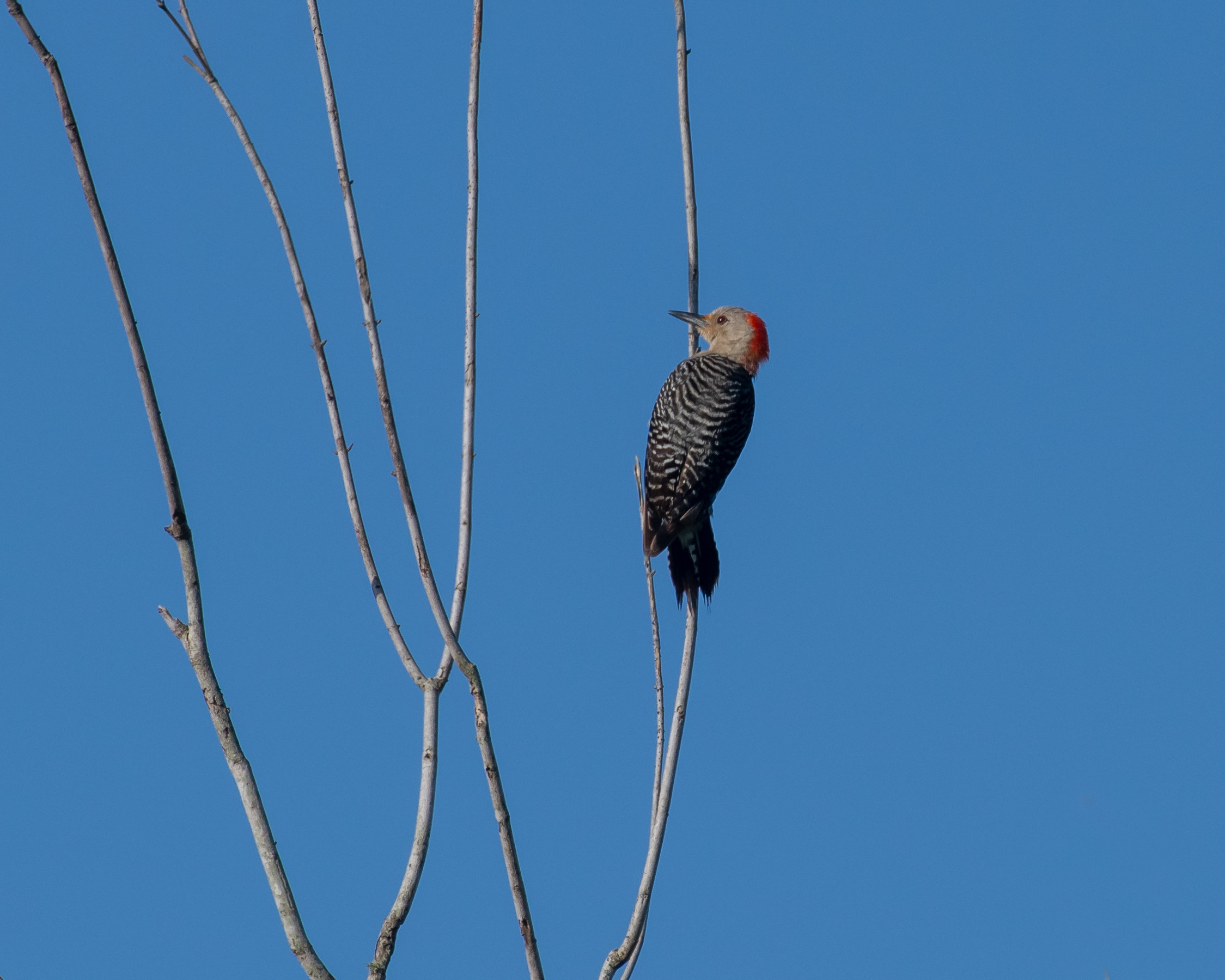
Late summer in Florida. Some of our smaller avian citizens begin to form in mixed groups as they prepare for long migratory flights to Central and South America. This morning, after our brunch by the lake, we struck out to explore. A loud group made up of Tufted Titmouse, Carolina Wren, Blue-gray Gnatcatcher, Northern Parula, Downy Woodpecker and Great Crested Flycatcher let us know we had been detected. Truth be told, they were already in the area scouring for insects and they simply squawked a bit to let the rest of the forest know we were out and about.
This tract of the Lake Wales Ridge State Forest consists of one dirt road which runs straight for about five miles. Most of the time, we must turn around at a locked gate and return the same way we came. Which is fine with us. There are several parking spots and multiple trails to explore. Taking a path in one direction will lead to the shore of large Lake Arbuckle. An alternate trail sends you through upland pine forest. Choose differently to explore low-growing scrub oak and saw palmetto terrain. Follow a creek among large hardwood trees such as oak, hickory, sweetgum and magnolia.
This diverse habitat is a magnet for an incredible variety of flora and fauna. It’s why we are here.


We only spent about four hours in the forest on this day. I know we have shared quite a few images and there will be one more segment before we move along to another area. We hope you don’t mind how much we have shared. Hopefully, you understand why.
Enjoy your search for a natural place and come back for a visit!
Header Image: Brown-headed Nuthatch
“Rubber Ducky!”
We were meandering along the forest road toward Lake Godwin, a small lake surrounded by Longleaf Pine trees and Saw Palmetto understory. Gini’s sharp ears heard the squeaky calls of Brown-headed Nuthatches as they foraged among the tops of the pines. Late summer finds these gregarous birds remaining in loose family groups, sometimes with two or three families intermingled. In typical nuthatch fashion, the little birds ran down tree trunks and hung upside down to investigate pine cones for an insect snack.
Our morning in the Lake Wales Ridge State Forest continued to be a relaxing, slow-motion type of exploration and discovery. Lake Godwin is our “brunch spot”. After our snack we breathed deeply and realized this could easily become our “take a nap spot”. In the distance we (mostly Gini) could hear the calls of Sandhill Cranes, Red-headed/Red-bellied/Downy woodpeckers, White-eyed Vireos and the non-stop admonition of Eastern Towhees to “drink-your-teeeeeaaa”. Natural pine air freshener seems so different than the concoction sprayed from a can.
Flowers were the highlight of the day. In another few weeks, migratory birds will begin to arrive in small numbers and by October there will be over 50 species of birds enjoying all the forest has to offer. In the meantime, resident birds and an incredibly diverse selection of blooms and bugs will suit us just fine.

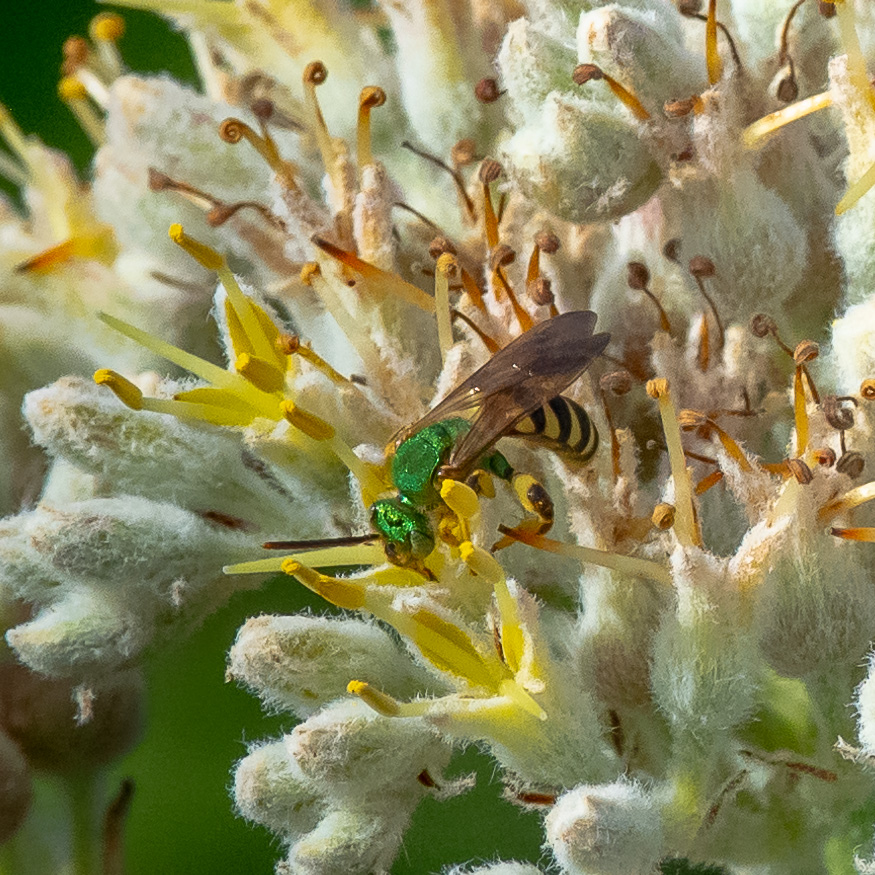
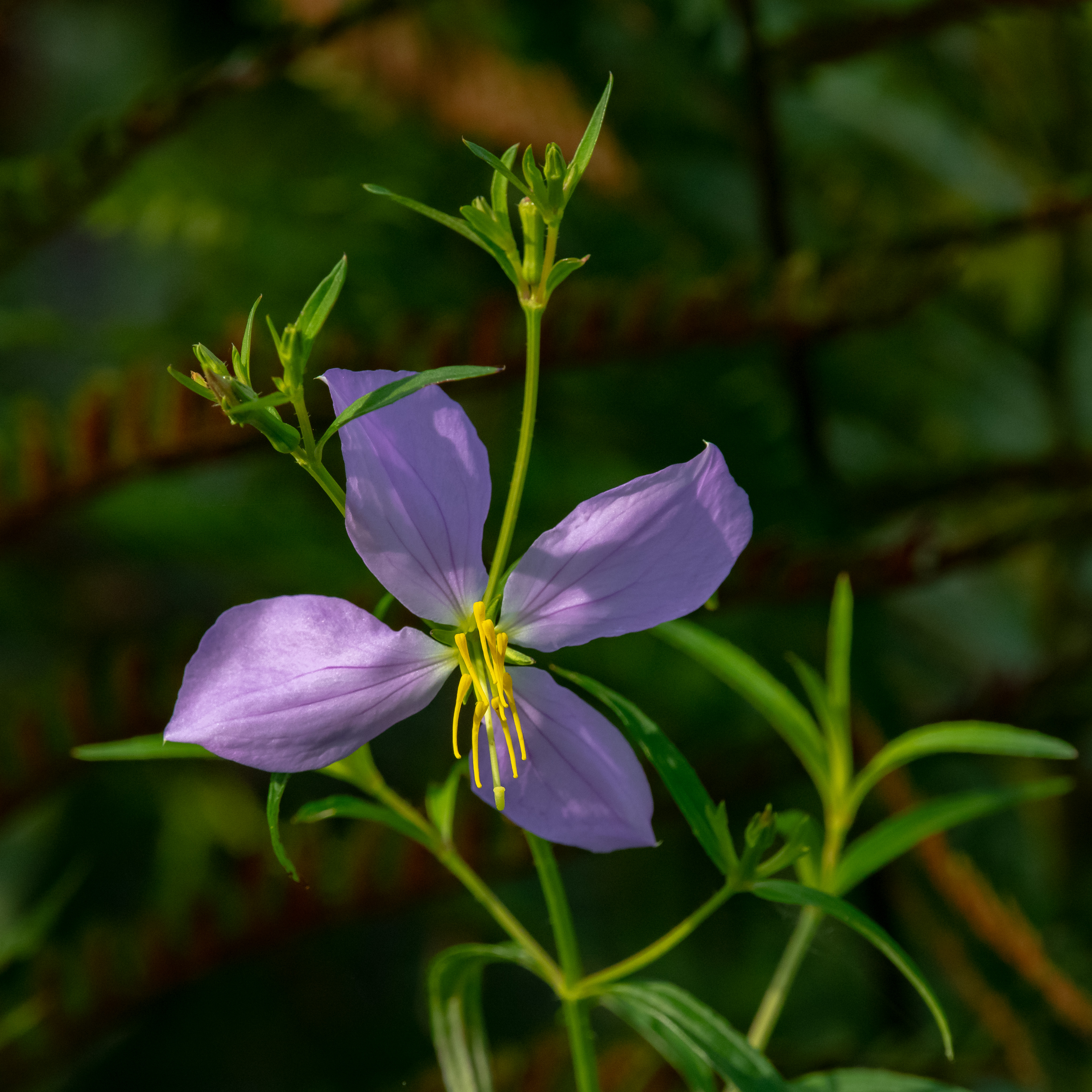
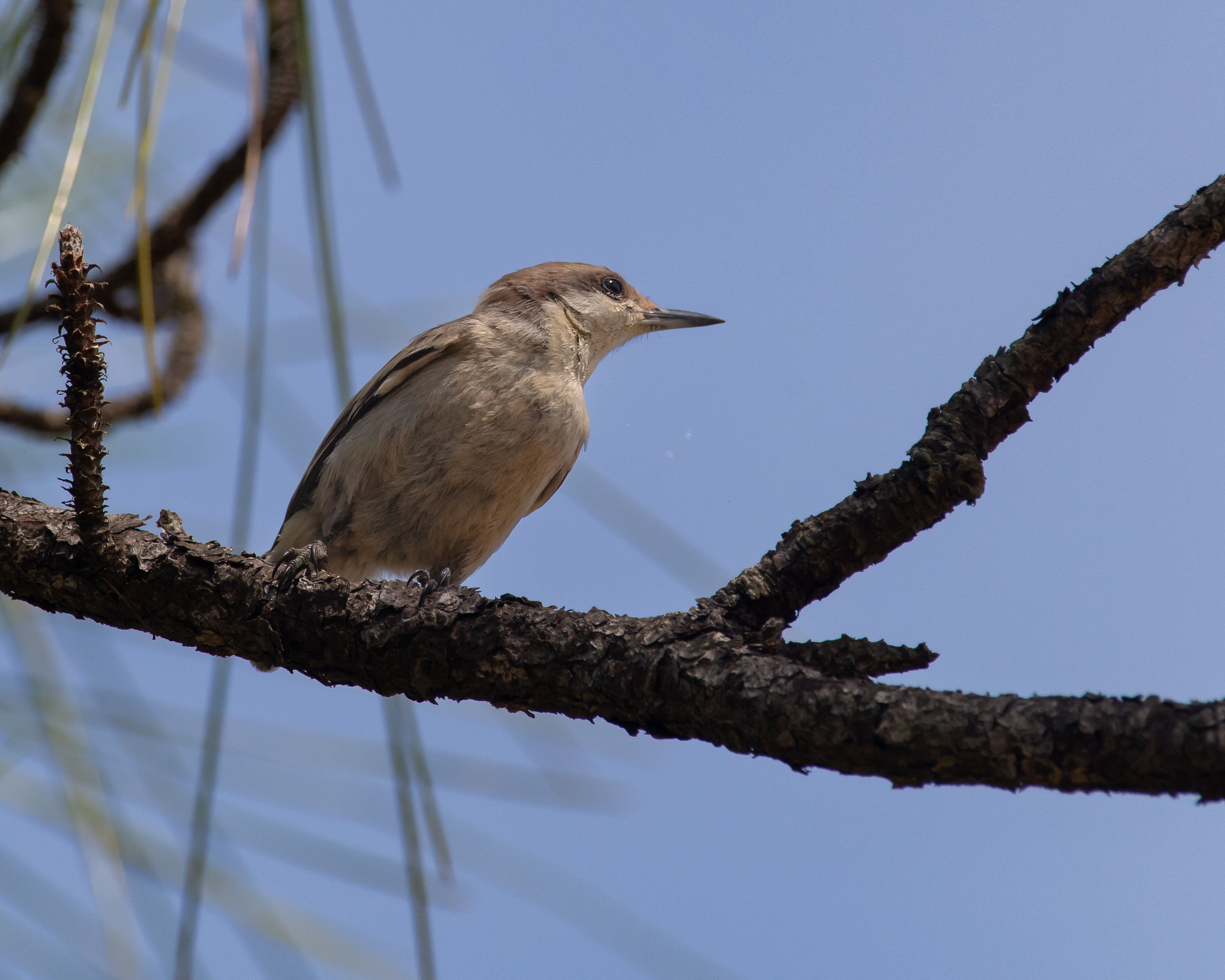
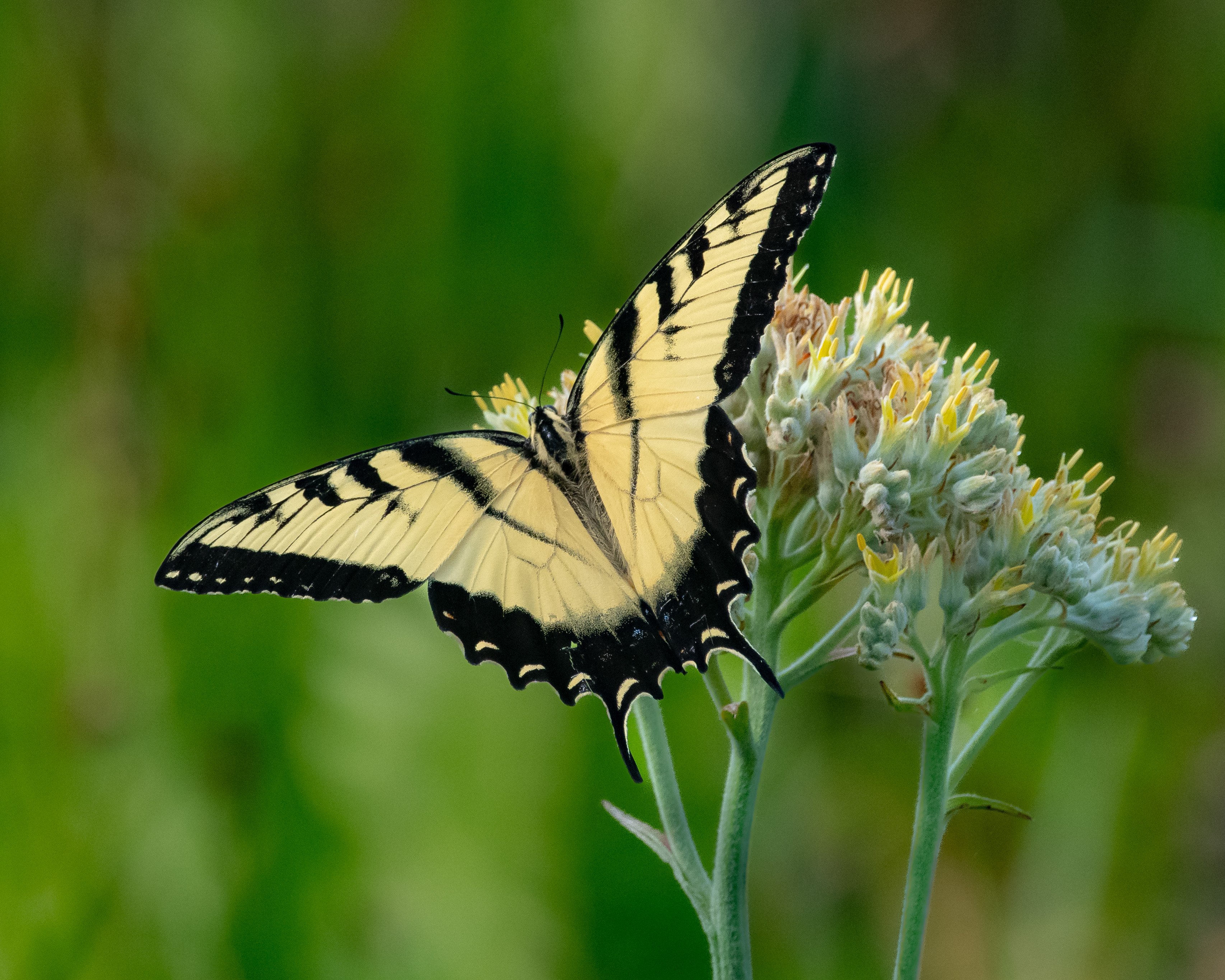
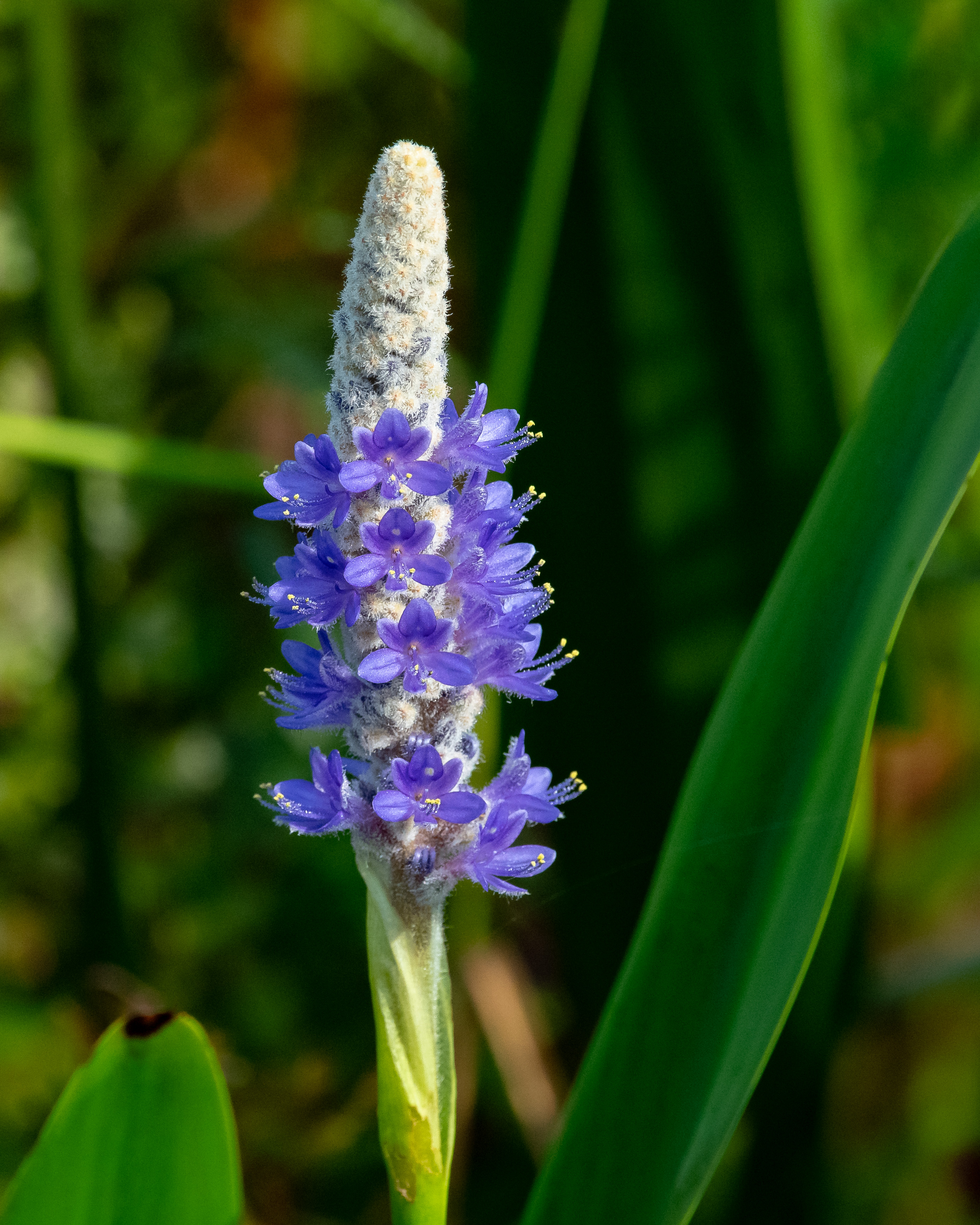

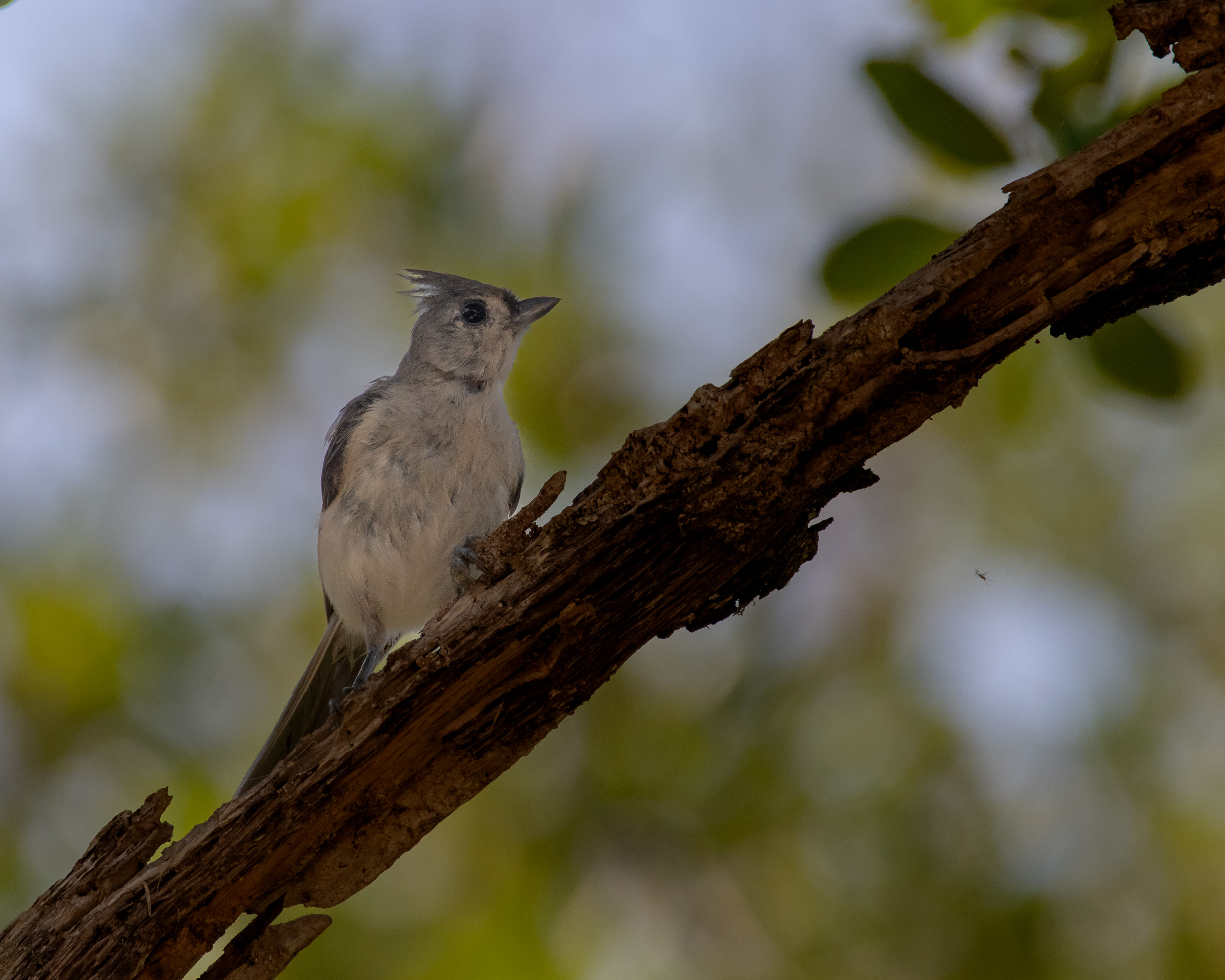


Our day in the forest has been so rewarding. Forgotten is the hectic pace demanded of one on a crowded highway, in a supermarket, keeping up with current events. Instead, our focus on Nature has united our souls in a common bond of appreciation and serenity.
More Ridge adventures ahead.
Enjoy your search for a natural place and come back for a visit!
Header Image: Florida Scrub Jay
Wisps of fog hugged the pastures. Still just below the horizon, the sun was turning the eastern sky pink as we drove past the fields of drowsy cattle and moved through several miles of orange groves. Big Lake Reedy loomed to the north as we turned eastward toward the even larger Lake Arbuckle. We slowed to scan the wetlands on either side of the road and made the turn south onto Rucks Dairy Road. In another mile, we would enter the Arbuckle Tract of the Lake Wales Ridge State Forest.
But first, an impossibly blue White-mouthed Dayflower demanded our attention.
Millions of years in the past, what is now called the state of Florida was covered by water. Tectonic shifting eventually pushed land masses around and the southeastern peninsula of North America began to form. As ancient seas receded, sands were deposited and formed a ridge along the north-south axis of the state. The largest remnant of this activity is now called the Lake Wales Ridge as it extends about 50 miles north and south of the community of the same name.
Over the past 20 million years, this spine of sand dunes became a haven for all sorts of land life forms as the surrounding area was still under water. Eventually, the oceans uncovered the remaining part of Florida just in time for the tourists to arrive. In the meantime, a plethora of unique flora and fauna flourished among the groves of scrub oak trees, upland pine forests, saw palmetto, white sand and many fresh-water ponds of The Ridge.
Human beings went about developing the area for agriculture, cattle ranching, housing and, of course, that most important of commodities, huge venues to keep us entertained. A few radical thinkers looked around and said: “Hey, what about the Sand Skink?” Naturally, they were shouted down. In time, more radical thinkers discovered the Florida Scrub Jays were living in ever more crowded conditions and someone decided to set aside a bit of land where bugs, birds and blooms which couldn’t survive anywhere else could eke out an existence.
On this day, Gini and I spent a wonderful morning along the Lake Wales Ridge.
Join us.
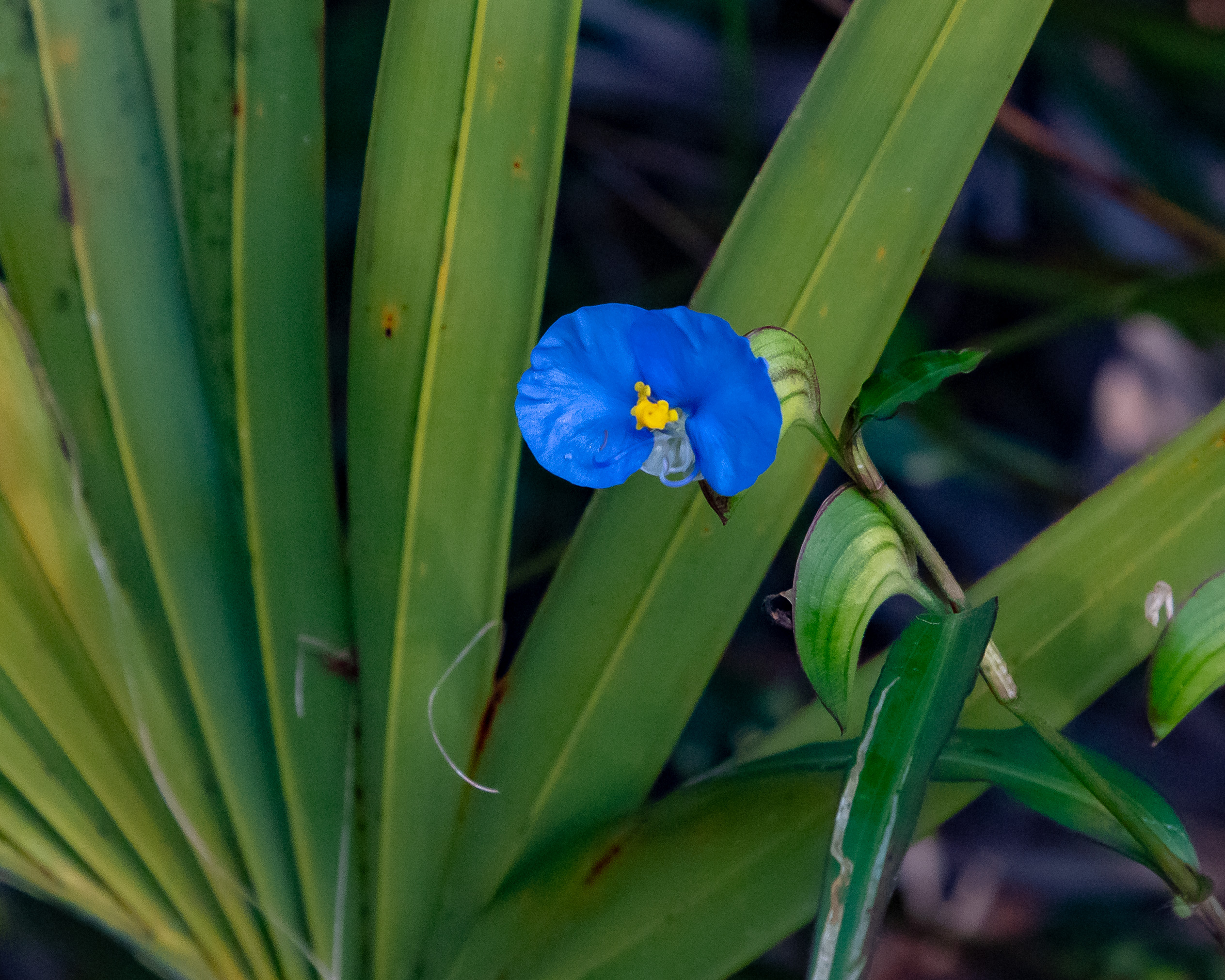
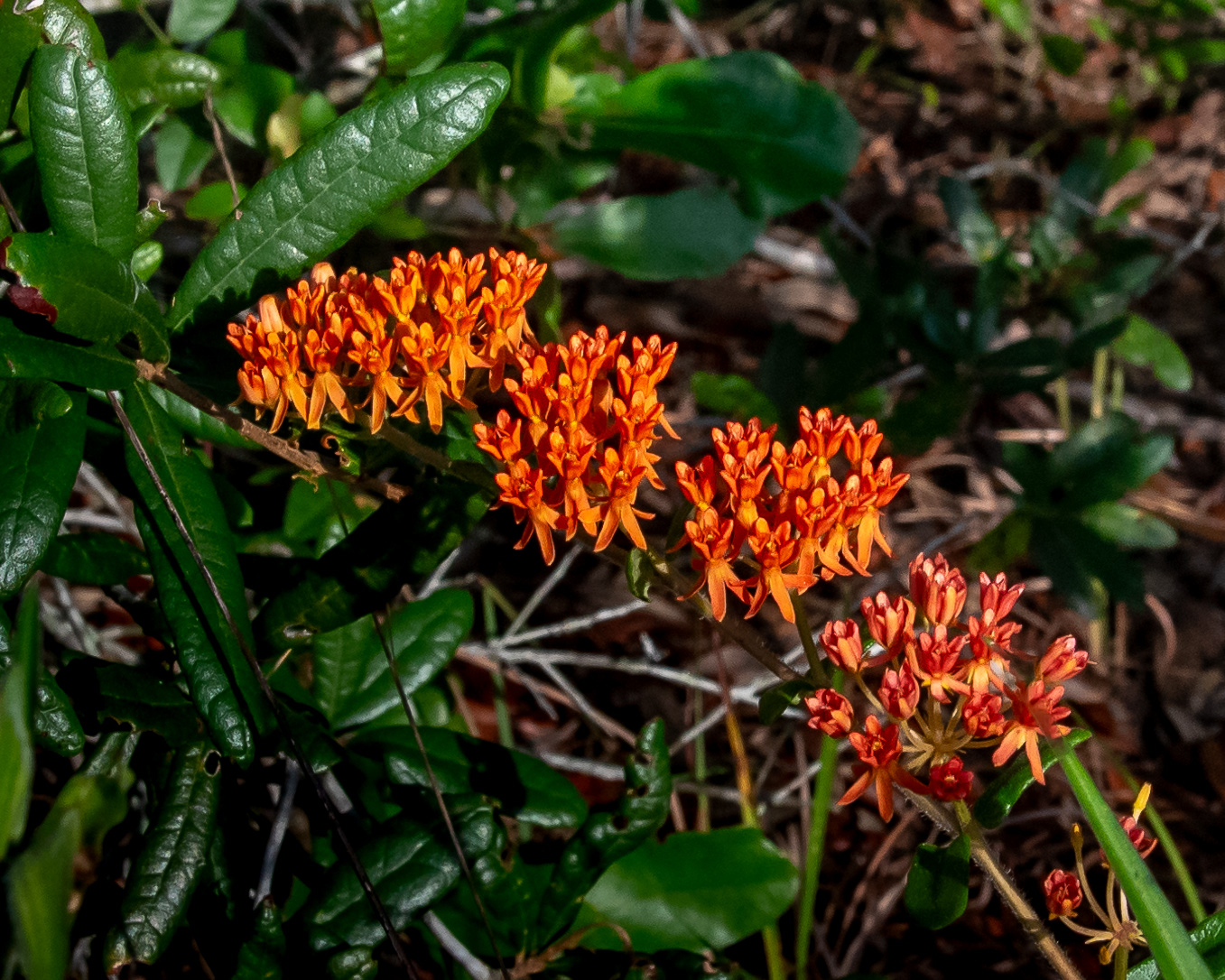
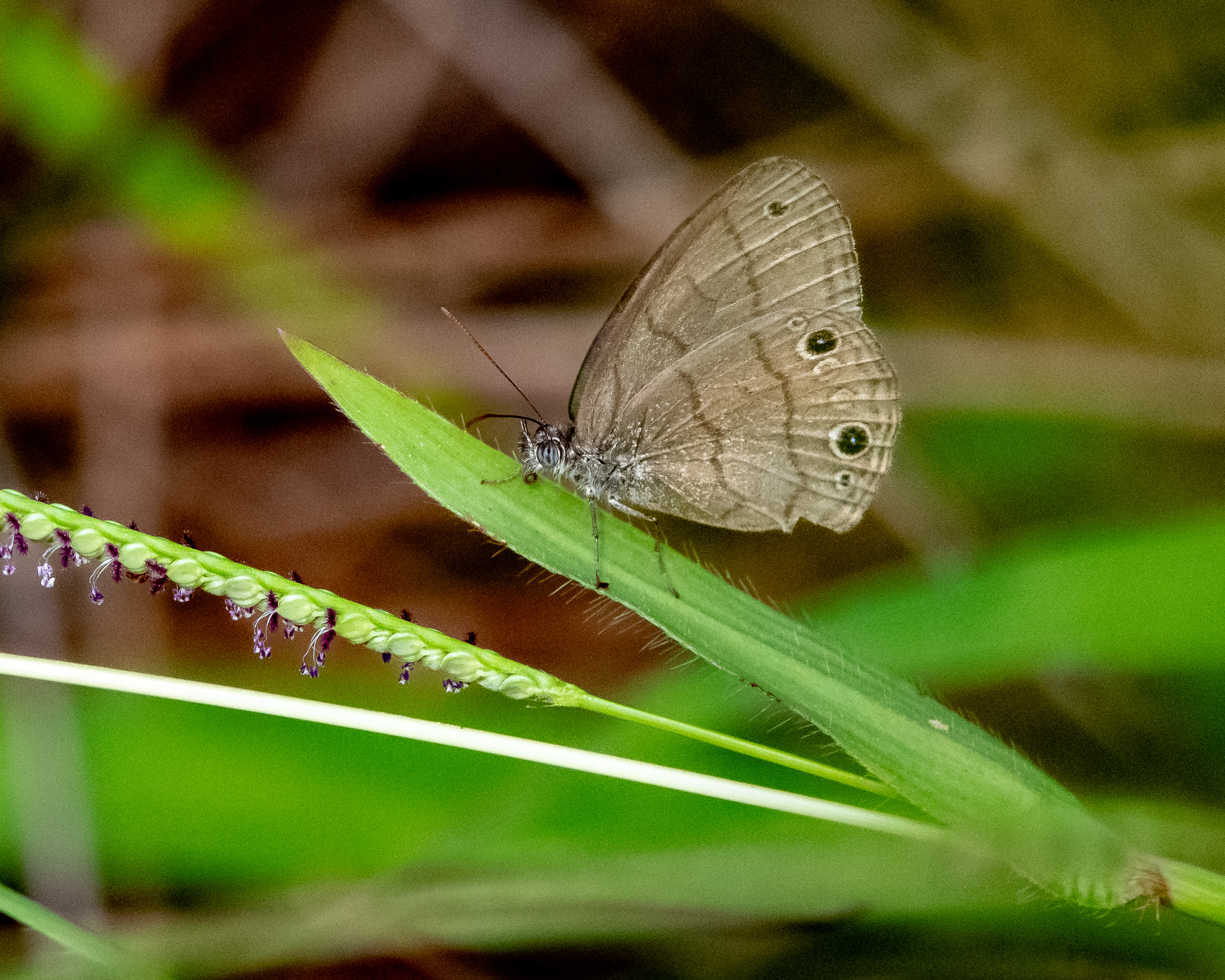
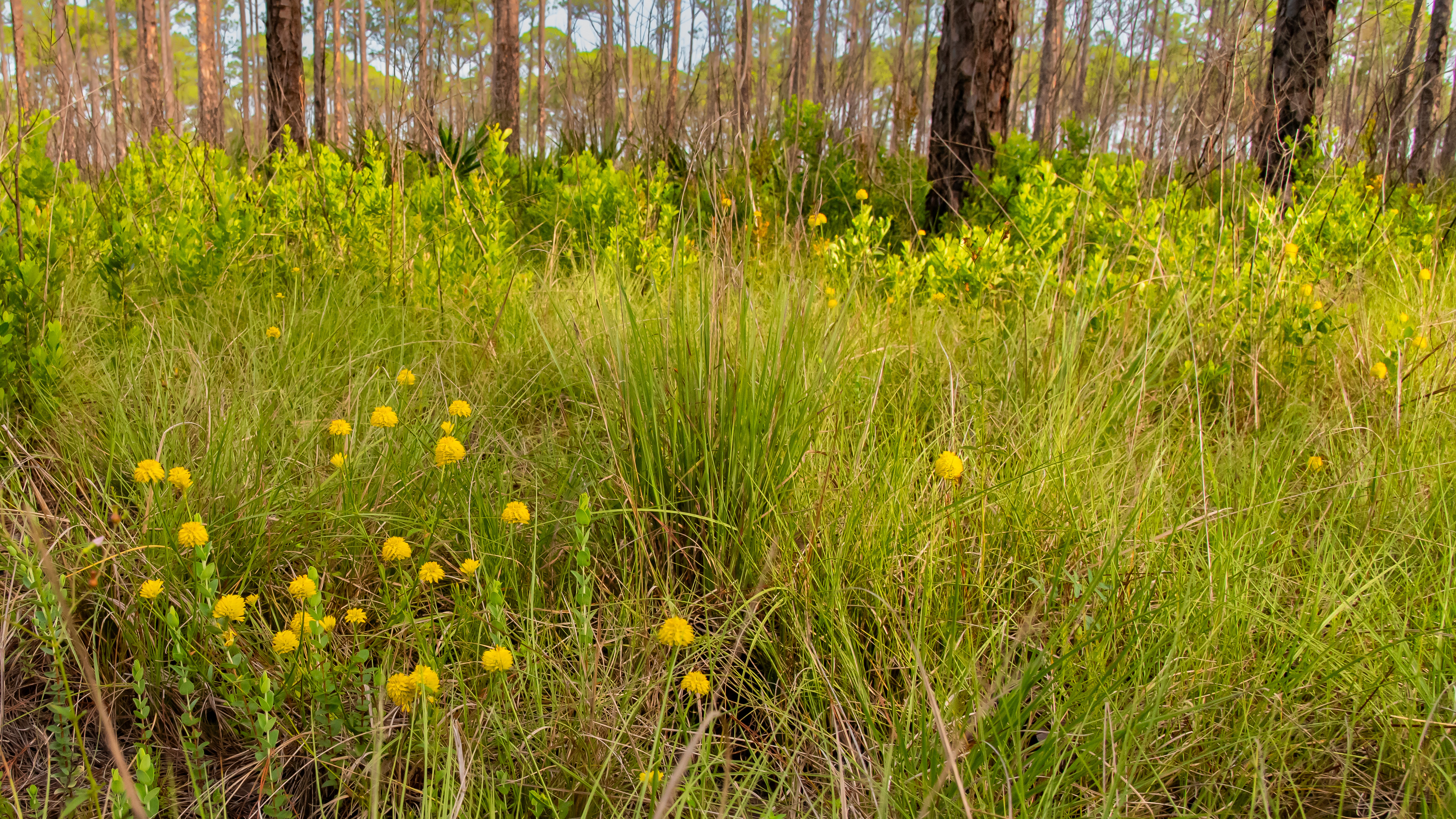
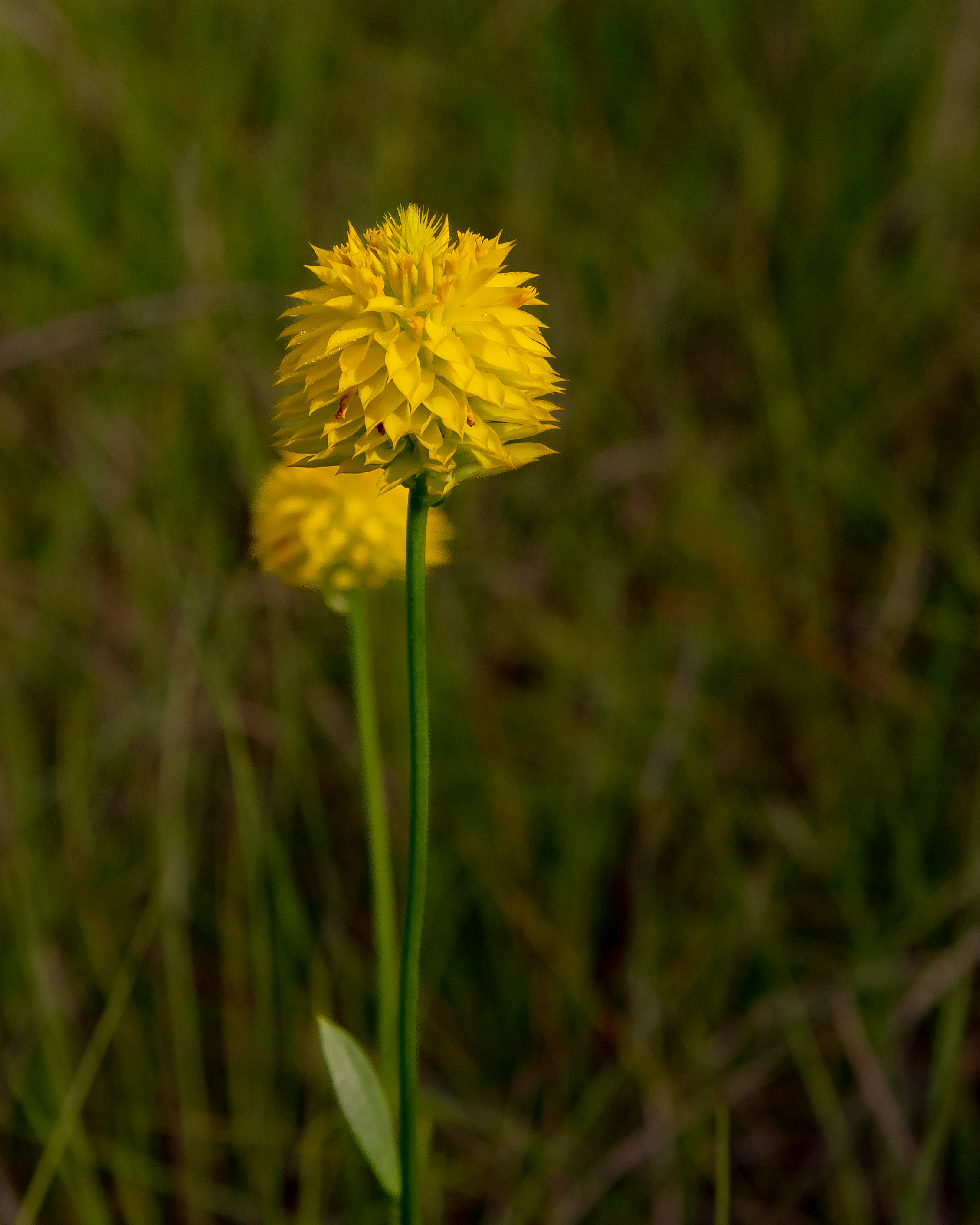
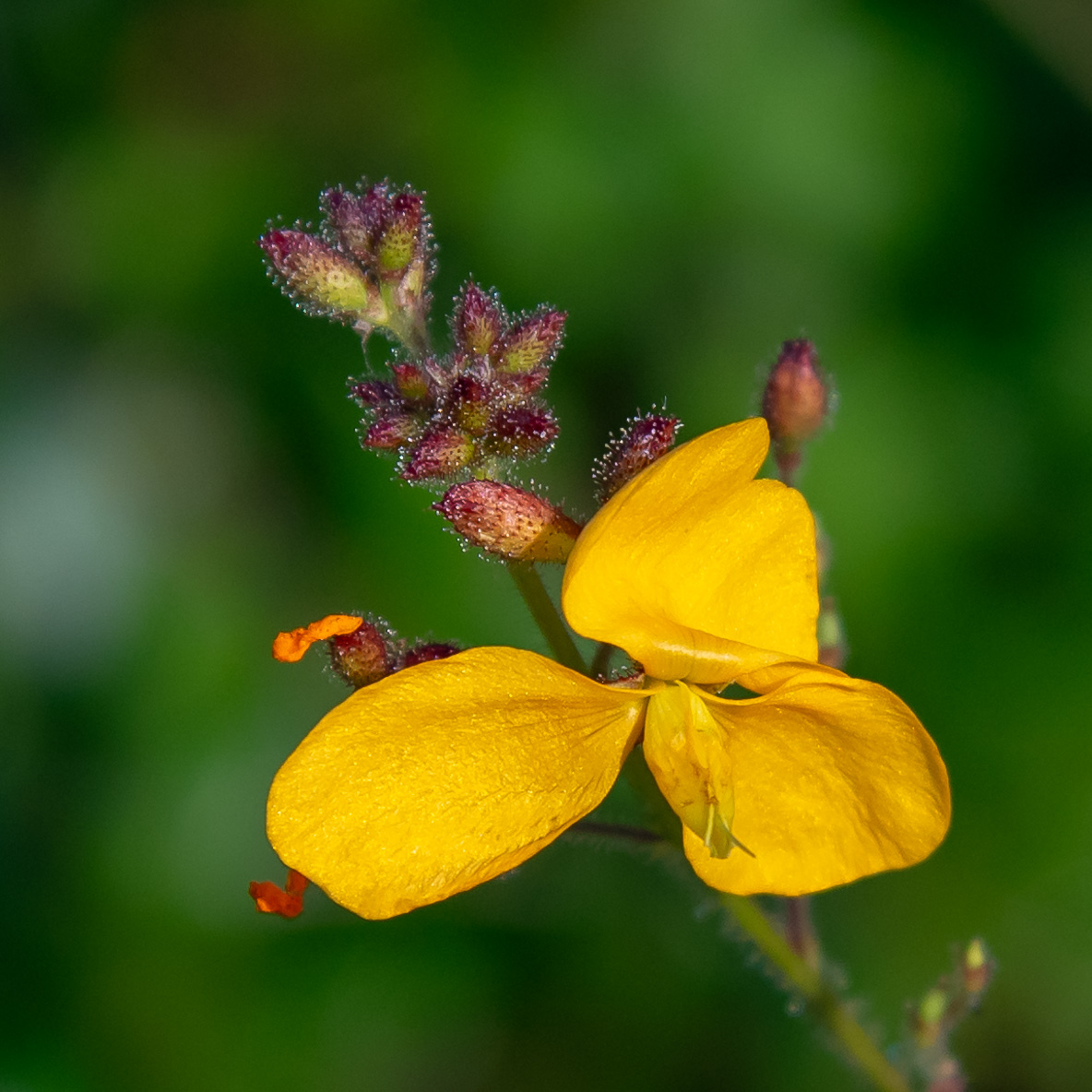

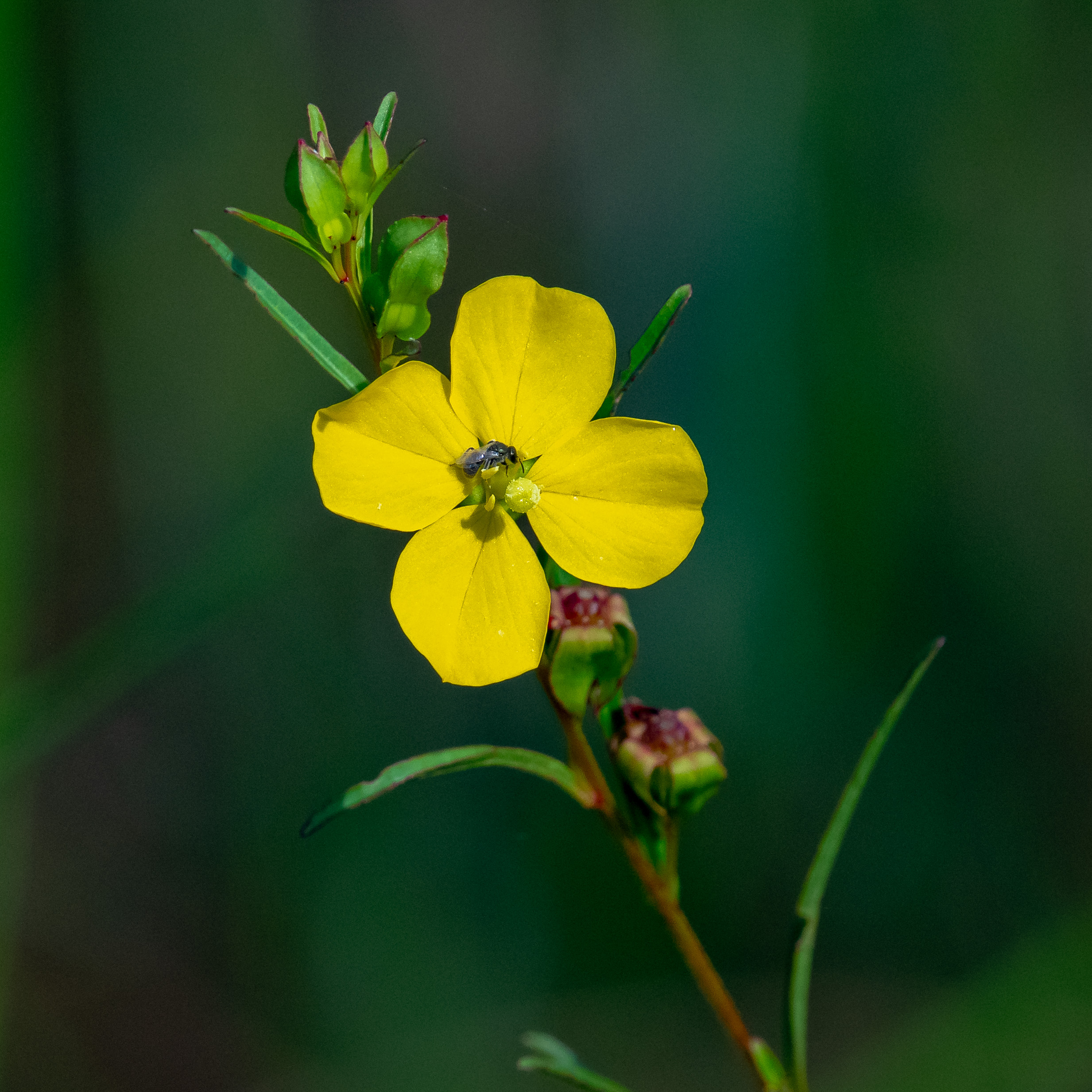
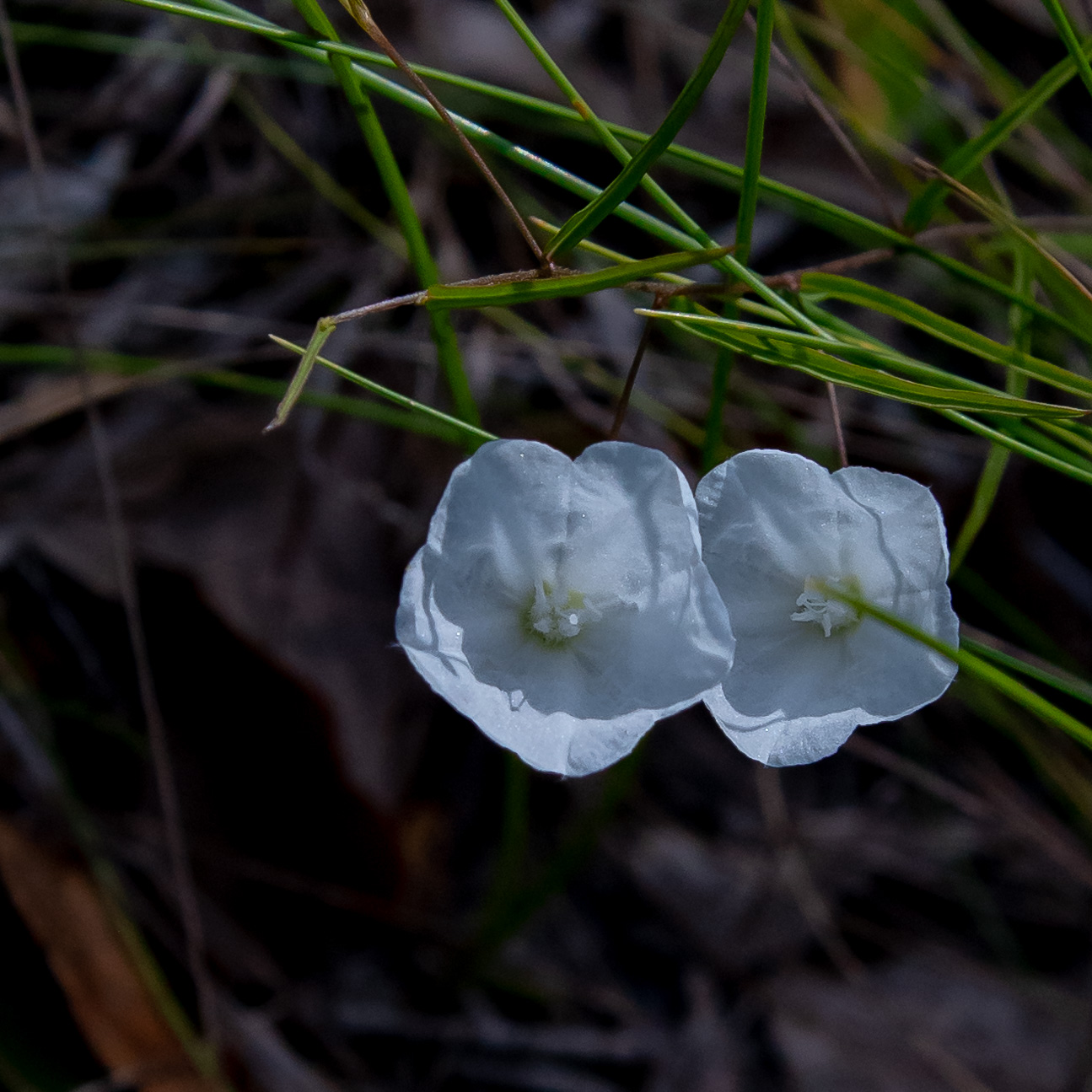

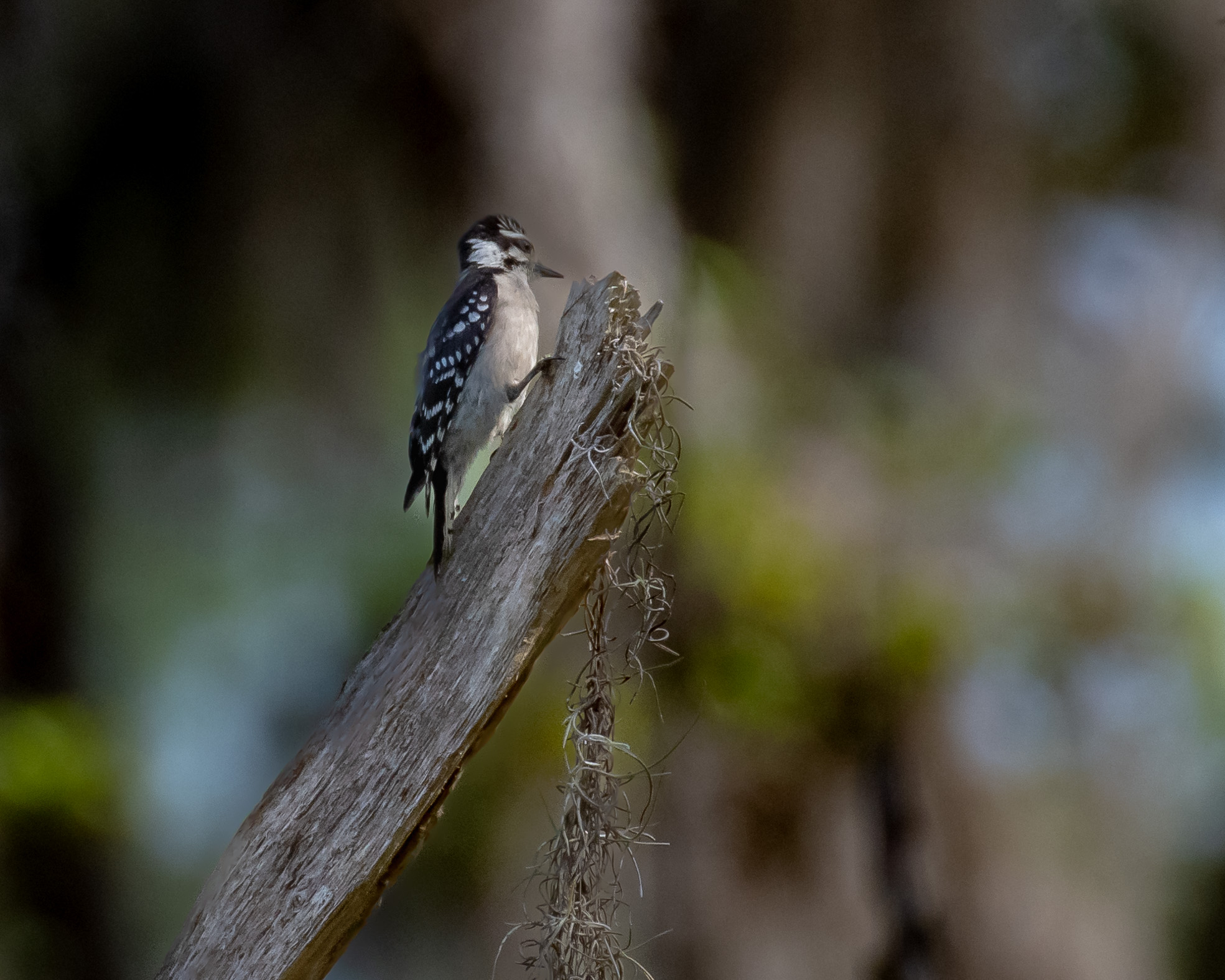
So much to see. This is one of our favorite areas for exploring nature. At any time of year, we find something unique, something beautiful, something to talk about. Stick around. There is more to come.
Enjoy your search for a natural place and come back for a visit!
Additional Information
State Forest ( https://www.fdacs.gov/Forest-Wildfire/Our-Forests/State-Forests/Lake-Wales-Ridge-State-Forest)
Header Image: Common Ground Dove
“It’s orange!”
The mistress of understatement flung her index finger toward the top of a small tree. I followed the track and located the indicated insect. It was, as described, orange. Not only that, it was something new, to us. The bright bug was a Clay-colored Leaf Beetle (Anomoea laticlavia), in the Family Chrysomelidae. There are over 1700 species in that Family, many of which have not yet been named.
Another day of enjoyment and discovery was in progress.
There has been discussion here and there about how similar some species in one area may be to those in a completely different geographical region. Flowers we see in Florida we are certain we encountered in Texas. Except, there are differences. The Black-capped Chickadees we enjoyed in upstate New York certainly appear similar to Florida’s Carolina Chickadees. But, that song?
Nature teaches us about survival. Along the way, if we remain open to learning, she also teaches us that knowing the differences among species may not be our most important task. Observe, instead, the similarities. That may be the key to our own survival.
Incredible variety in our exploration keeps Gini and I returning to field, forest, swamp, coast – outside – not only to discover a new, colorful beetle. We relish the familiar with the same amount of excitement and wonder.
Imitation being the ultimate form of flattery, a beautiful Viceroy (Limenitis archippus) apparently likes the looks of a Monarch (Danaus plexippus) and really hopes you don’t want to eat one!

Sneaking around in the woods is not really possible with the local Neighborhood Watch on duty. A Red-bellied Woodpecker wasted no time alerting the locals to our presence.
It’s a Dragonfly! It’s a Butterfly! Nope. Another new creature for us: it’s an Owlfly (Ululodes spp.)! They are efficient hunters of little insects such as mosquitoes – I really love our new discovery!

Feay’s Palafox (Palafoxia feayi) is a unique plant in the Aster family. Endemic to Florida, it’s found only in the central and southern part of the peninsula.

One of those “familiar” individuals we talked about earlier, a small Eastern Amberwing (Perithemis tenera) survives by emulating the flight of a wasp. Who would want to eat a wasp?

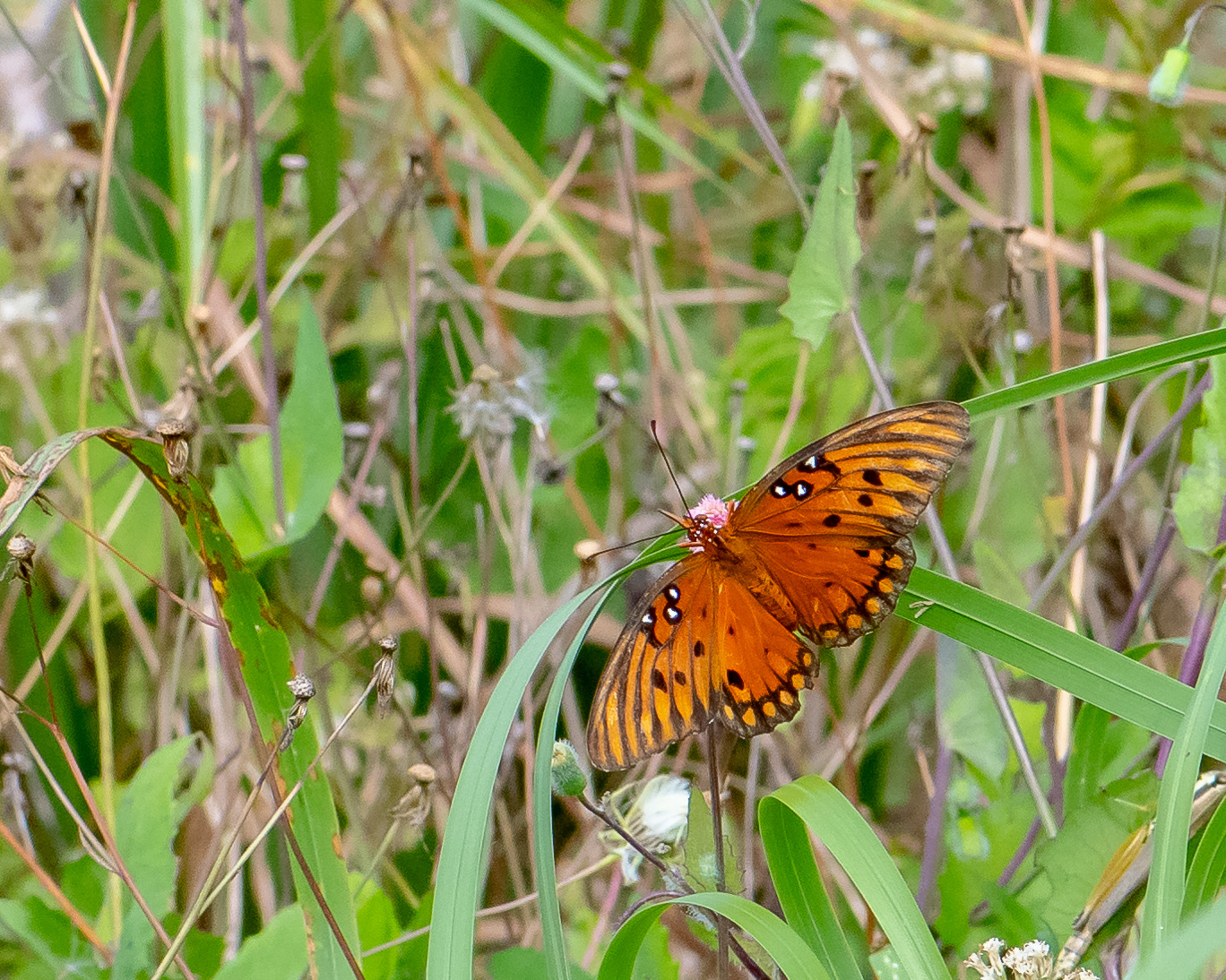
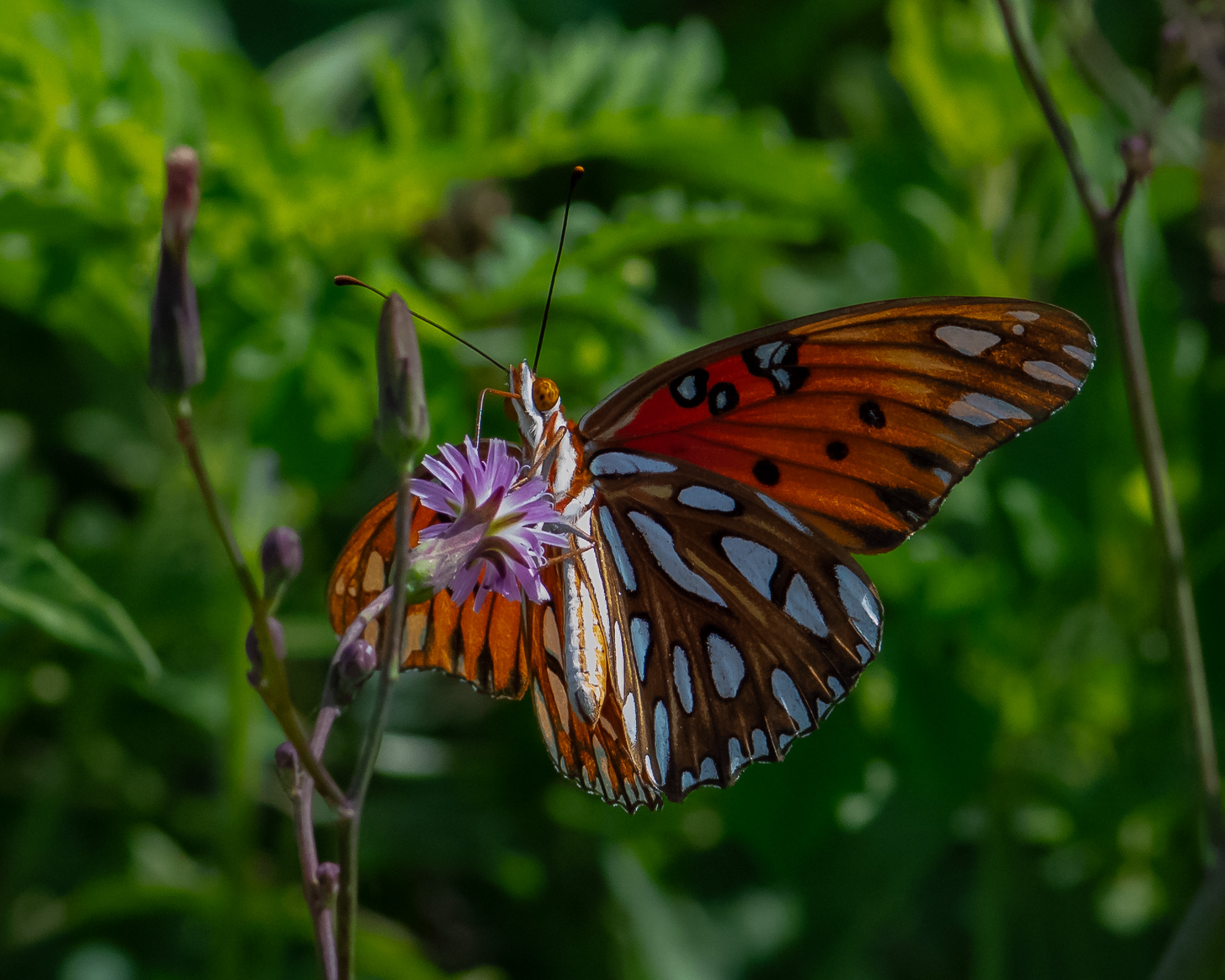
Orange was prevalent throughout the morning. One of the most commonly encountered butterflies in this area is the Gulf Fritillary (Agraulis vanillae). Many were active today and we even chanced upon a larva, hiding under a twig.

In the “not as bright orange” category, is the Variegated Fritillary (Euptoieta claudia). Upper wing color can vary from orange to almost brown. With its wings folded up it can look like a dead leaf. Who would want to eat a dead leaf?


Another plant found only in Florida is the Florida Alicia (Chapmannia floridana). It’s buttery blooms are favored by many pollinators, especially the Southern Carpenter Bee (Xylocopa micans).

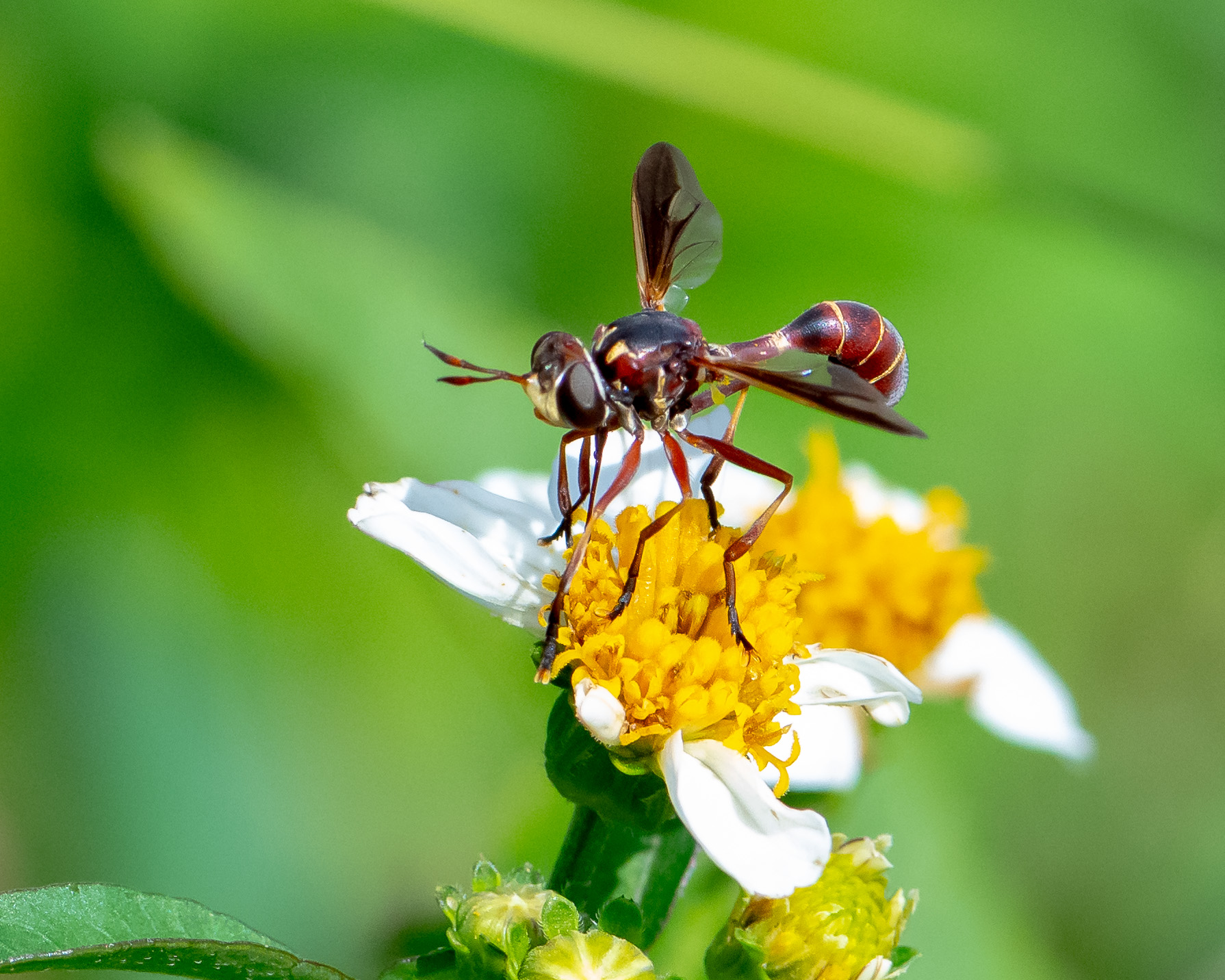
You may be tired of hearing this, but – we found another new bug! This Thick-headed Fly (Physoconops species) is striking in its beautiful appearance as well as its initial resemblance to a wasp. And who would want to eat — you know.
One day, no white butterflies. The next day and they seem to be all over the joint! It’s okay. We’ll look at as many Great Southern White (Ascia monuste) butterflies as Nature will allow. The female is a bit darker than the male.


We already introduced this superstar, so we won’t put you through that “new bug” thing again. At least this Clay-colored Leaf Beetle (Anomoea laticlavia) was a cooperative model. Appearing pure orange at a distance, closer inspection revealed some stylish striped underthings.

To answer the burning question you all have: “Who would want to eat THAT??” – we give you that daring diminutive damsel — Rambur’s Forktail (Ischnura ramburii)!

“Nature is an endless combination and repetition of a very few laws. She hums the old well-known air through innumerable variations.”
– Ralph Waldo Emerson
Our morning was filled with Nature’s variations on a theme. We know the melody. We’re familiar with the rhythm. The words change with the season and the location. We truly hope you each find your very own special combination and repetition of a song Nature intends you to hear.
Enjoy your search for a natural place and come back for a visit!
 Our Natural Places