The Ridge (1)
Header Image: Florida Scrub Jay
Wisps of fog hugged the pastures. Still just below the horizon, the sun was turning the eastern sky pink as we drove past the fields of drowsy cattle and moved through several miles of orange groves. Big Lake Reedy loomed to the north as we turned eastward toward the even larger Lake Arbuckle. We slowed to scan the wetlands on either side of the road and made the turn south onto Rucks Dairy Road. In another mile, we would enter the Arbuckle Tract of the Lake Wales Ridge State Forest.
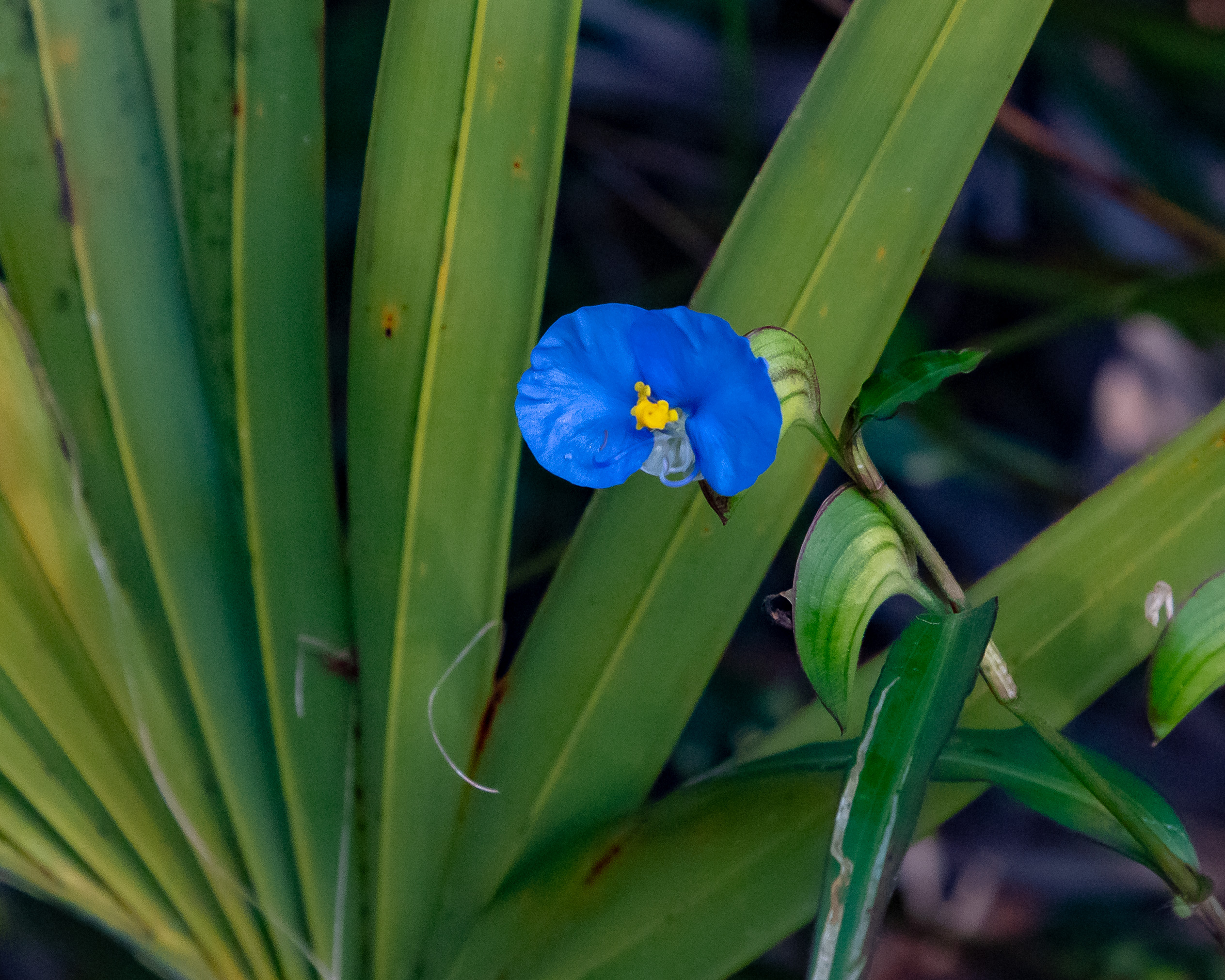
But first, an impossibly blue White-mouthed Dayflower demanded our attention.
Millions of years in the past, what is now called the state of Florida was covered by water. Tectonic shifting eventually pushed land masses around and the southeastern peninsula of North America began to form. As ancient seas receded, sands were deposited and formed a ridge along the north-south axis of the state. The largest remnant of this activity is now called the Lake Wales Ridge as it extends about 50 miles north and south of the community of the same name.
Over the past 20 million years, this spine of sand dunes became a haven for all sorts of land life forms as the surrounding area was still under water. Eventually, the oceans uncovered the remaining part of Florida just in time for the tourists to arrive. In the meantime, a plethora of unique flora and fauna flourished among the groves of scrub oak trees, upland pine forests, saw palmetto, white sand and many fresh-water ponds of The Ridge.
Human beings went about developing the area for agriculture, cattle ranching, housing and, of course, that most important of commodities, huge venues to keep us entertained. A few radical thinkers looked around and said: “Hey, what about the Sand Skink?” Naturally, they were shouted down. In time, more radical thinkers discovered the Florida Scrub Jays were living in ever more crowded conditions and someone decided to set aside a bit of land where bugs, birds and blooms which couldn’t survive anywhere else could eke out an existence.
On this day, Gini and I spent a wonderful morning along the Lake Wales Ridge.
Join us.
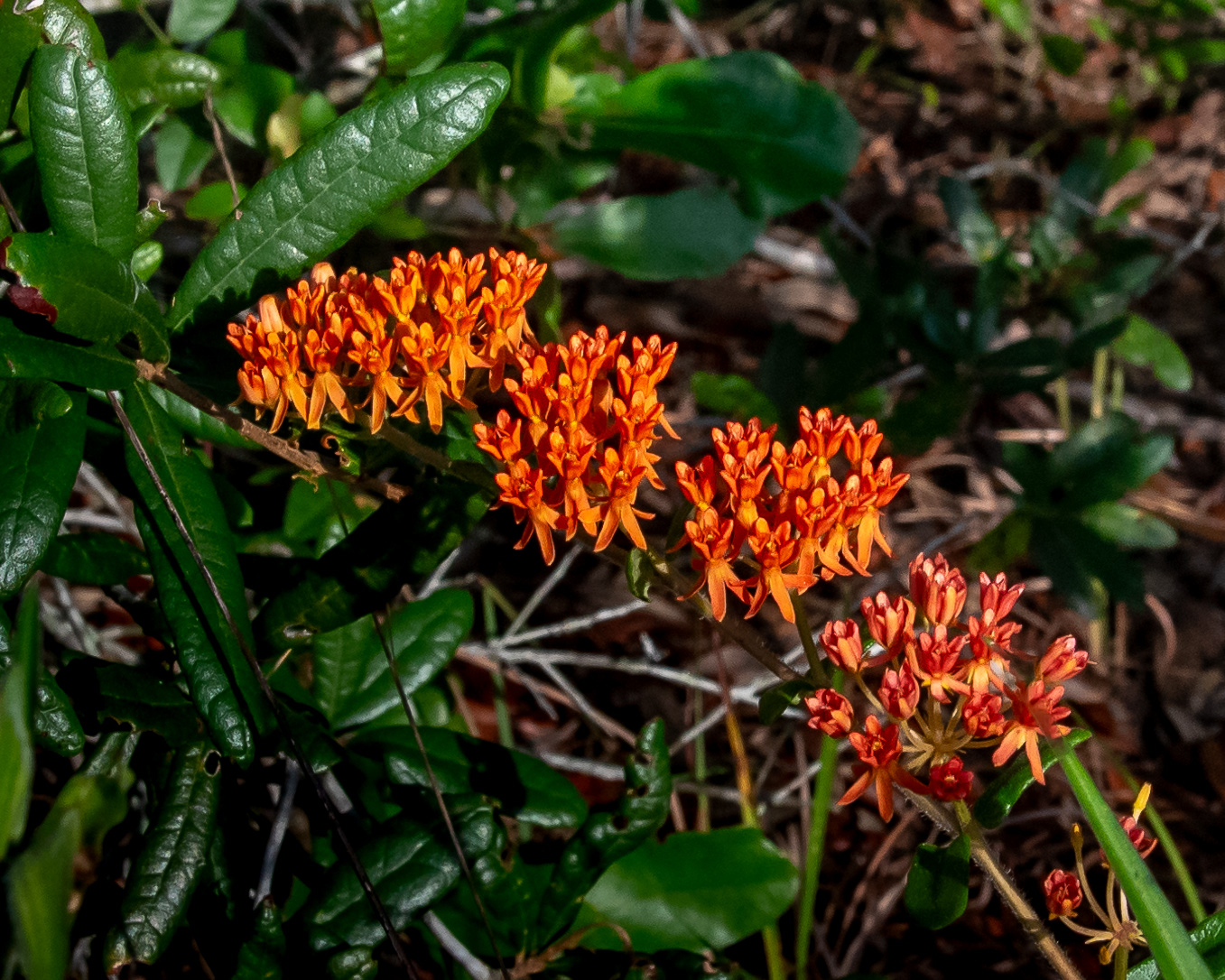
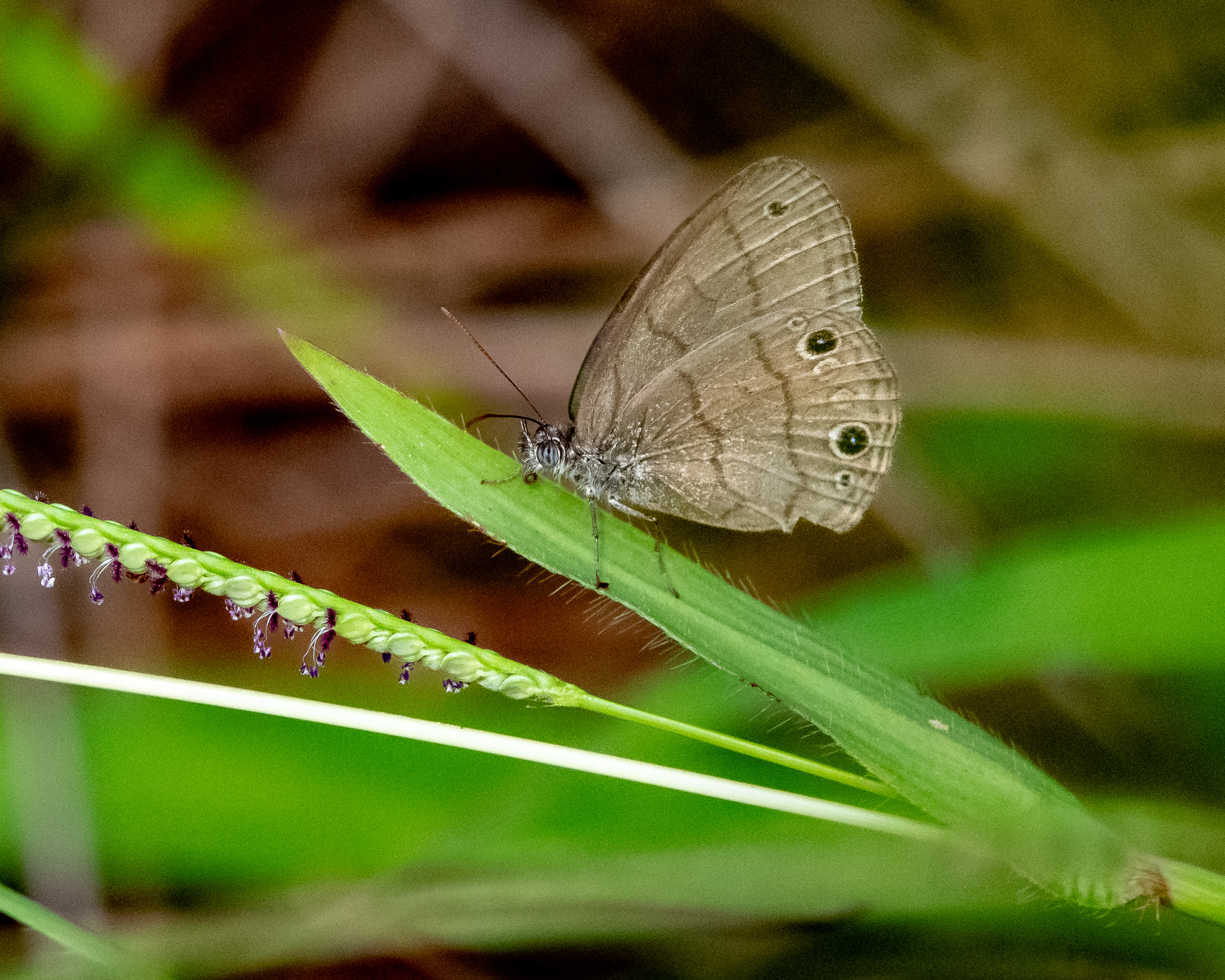
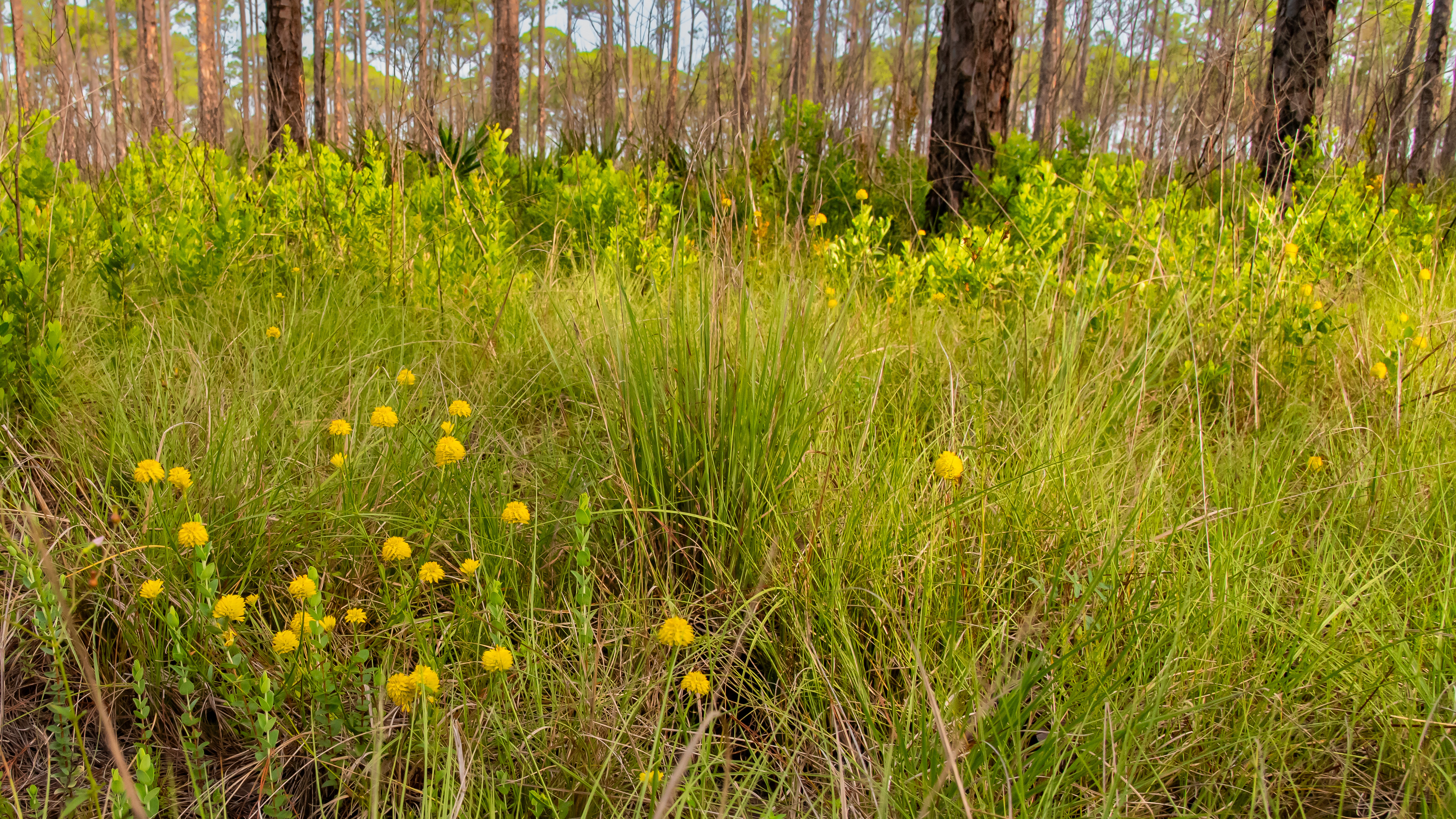
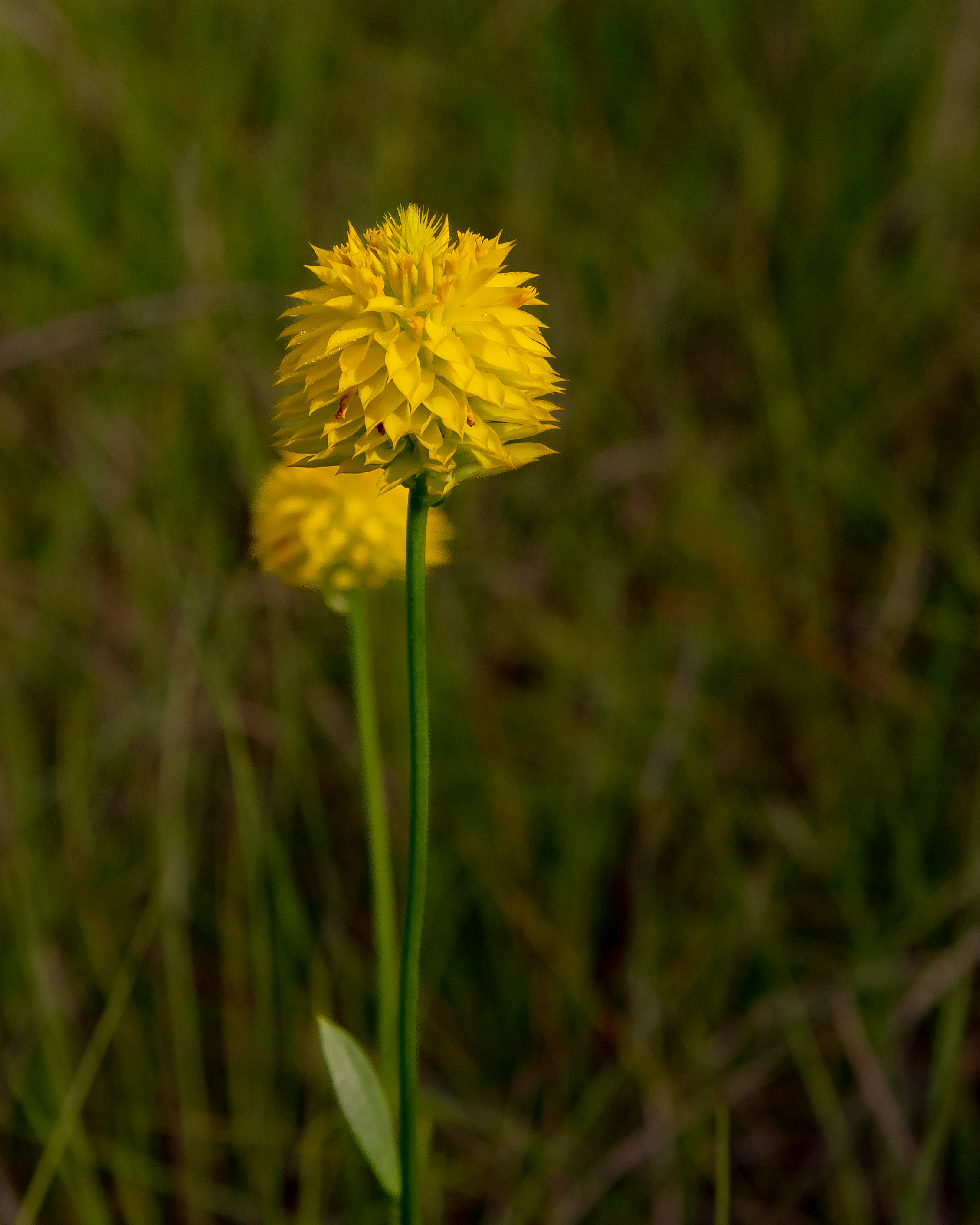
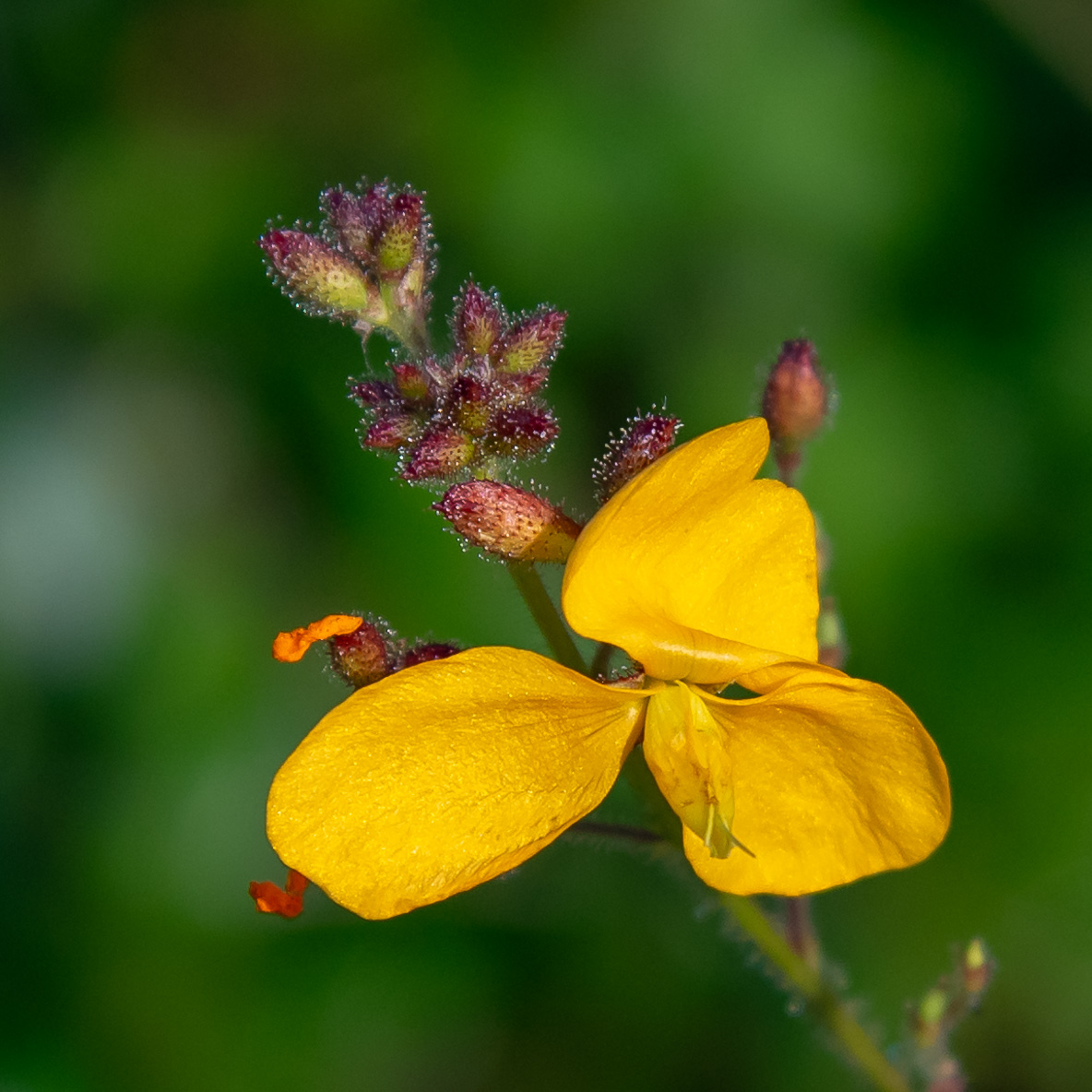

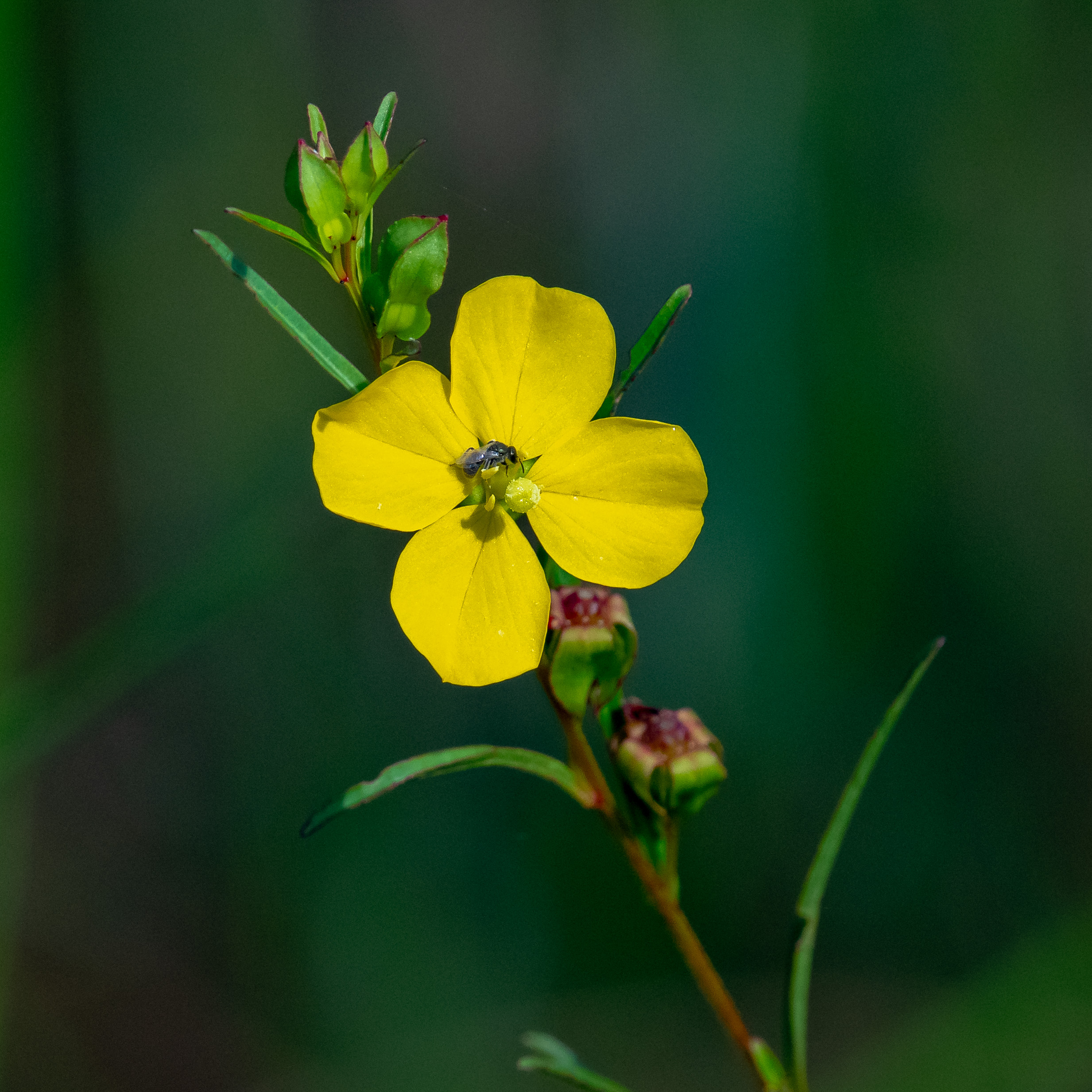
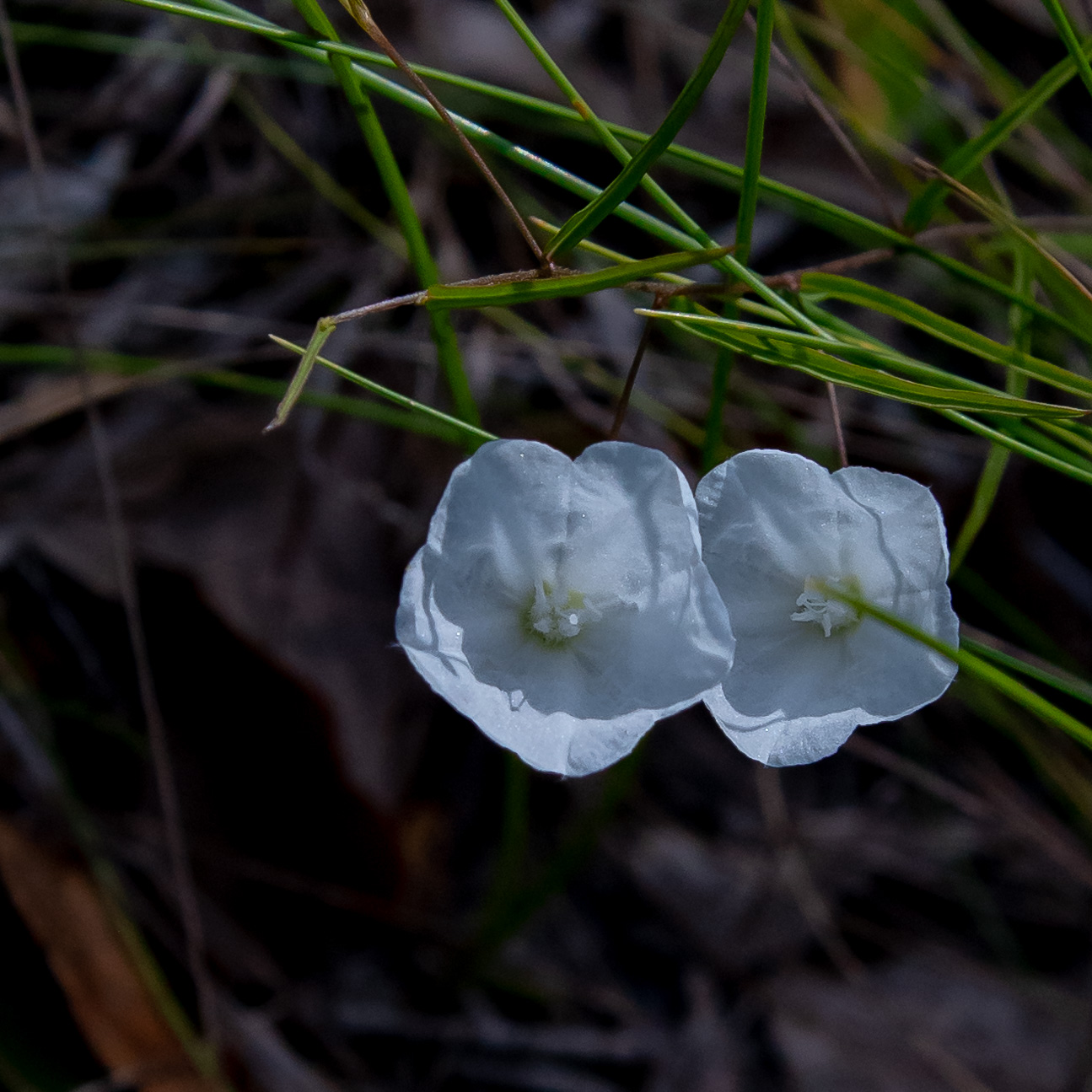

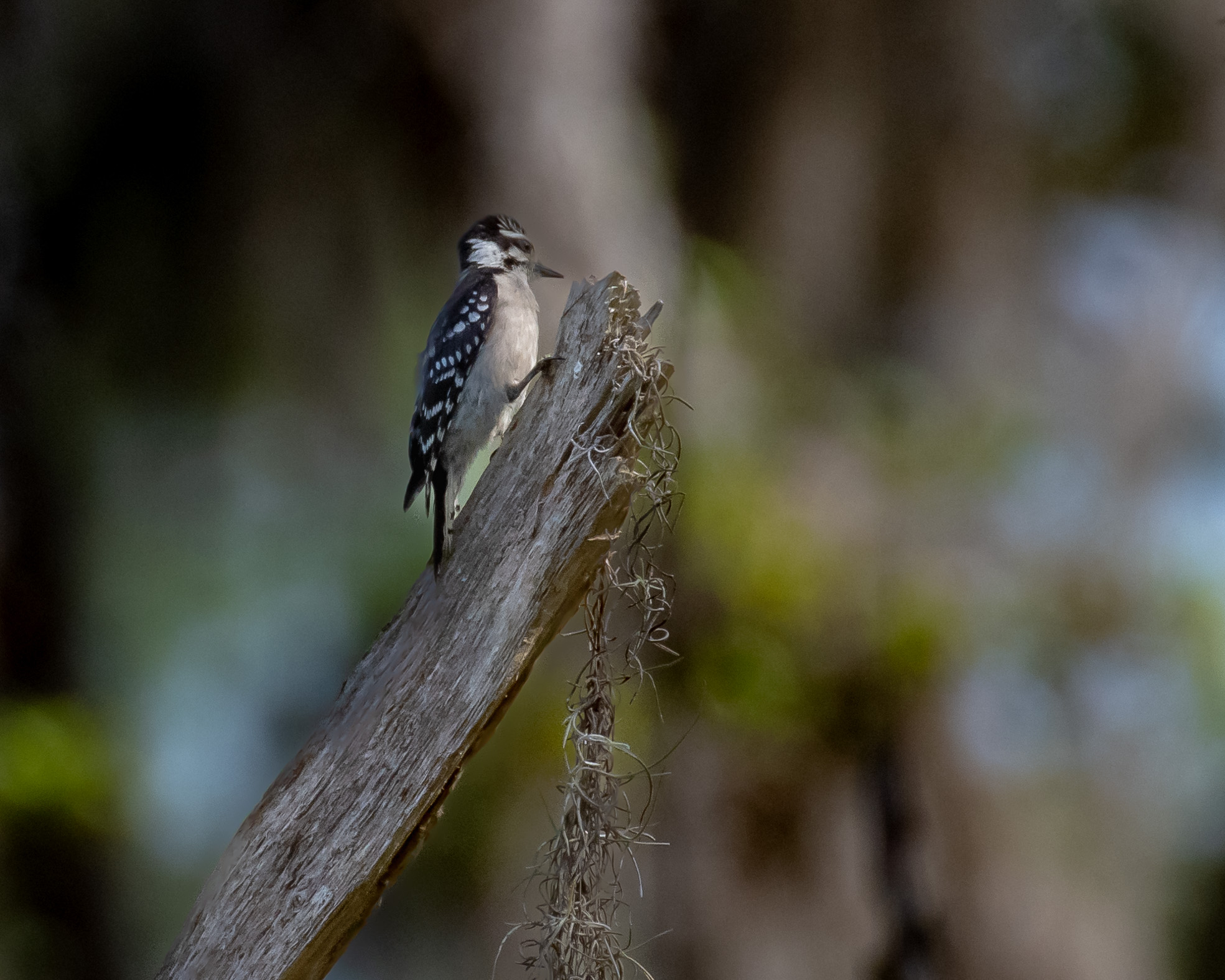
So much to see. This is one of our favorite areas for exploring nature. At any time of year, we find something unique, something beautiful, something to talk about. Stick around. There is more to come.
Enjoy your search for a natural place and come back for a visit!
Additional Information
State Forest ( https://www.fdacs.gov/Forest-Wildfire/Our-Forests/State-Forests/Lake-Wales-Ridge-State-Forest)
 Our Natural Places
Pingback: Ridge Redux: Birds | Our Natural Places
As much as I enjoyed the pictures, I enjoyed the bit of geological history that got us here. I wonder whether someday it will be reversed. I like 6-legged Satyrs better than the two hooved variety.
I didn’t realize we could maximize the images until Sam mentioned it. A nice added feature.
For a change I am catching up from the beginning rather than that other way.
LikeLike
I’m with you on Satyrs.
It’s interesting to dig around a bit in the middle of Florida and find sea shells and ancient shark’s teeth.
Thank you, Steve.
LikeLiked by 1 person
Such lovely creatures with petals and wings. I’m so glad “someone” decided to leave a little space for the scrub jays before it was too late for them. We should know better by now, after killing almost every single bison and beaver, and finishing off all the passenger pigeons. 😢
LikeLike
Thanks Tanja.
All species are special. Learning to take care of everything has not been our strong suit.
LikeLiked by 1 person
That’s one way of putting it.
LikeLike
So glad you settled on an image display technique that still allows zooming in. Without that, I would not have seen the details of the Satyr (the coiled tongue and light blue eye), and would have totally missed out on the tee-nincey (quiet, damned spellchecker!) purple flowers in the grass upon which the Satyr is perched. At first glance I took them to be dewdrops, but not so. Thanks for sharing this wonderful location!
LikeLike
Took me awhile, but hopefully this will work okay for everyone.
Thank you, Sam, for the encouragement!
Not to mention visiting with us.
LikeLiked by 1 person
Even a written mention of ouzo can wipe the mind clean. I was introduced to that delight one Thanksgiving Day in Chicago, at a Greek restaurant that happened to be open but without other patrons. It was a memorable occasion.
You’ve offered up a wonderful collection here. I enjoyed seeing this different view of the Alicia. It looks less pea-like in this view, but it’s even prettier. I was interested to see that it’s the only species in its genus; I suspect the genus name is a tribute to the Chapman whose museum’s in Apalachicola. One of these days I’ll offer up views of one of our Texas versions the Milkwort, the Dawnflower, and some Ludwigia, too. The profile view of the Dawnflower is lovely; I like the trumpet shape.
The fact that you’ve shown three Florida endemics is fascinating. The geological details you added certainly helped to explain the presence of so many unique species. I enjoyed reading the linked sites, too.
LikeLike
I’ve been studying the Satyr and the grass it’s perched on. Is that Bahia grass — Paspalum notatum? I was surprised to see it blooming, but I just read that it can bloom June-November, and that its flowering spikes can be two feet tall. It’s quite beautiful.
LikeLike
You could certainly be correct about Bahia grass as it is common in the area. I scanned a few sources and Paspalum has several similar-looking species. Of course, I didn’t think beyond “butterfly” so no good pictures of the grass!
LikeLiked by 1 person
I think you’ve described the effects of ouzo perfectly. It was a memorable occasion but none of the details can be recalled.
This is the first time we’ve encountered Dawnflower and were struck by its delicate appearance.
It is a really special place.
LikeLiked by 1 person
A Bountiful Buffet of Botanical Beauties, Birds, and a Butterfly – sorry, I had to get that Bee out of my Bonnet Wally! Your Florida Scrub Jay header is fabulous and that Carolina Satyr is gorgeous!
That was an interesting piece of geological history too – thank you.
Delighted to know that Gini is doing well. My very best wishes to you both – – – Richard
LikeLike
Bees and Bonnets are always welcome here.
Scrub Jays are not common, but when we do encounter them they are very quick to flock to a perceived threat. That often helps with the photography.
It is a good weekend here and we hope the same may be said for you.
LikeLike
Wonderful sightings and photos Wally. I wish I had a small portion of your knowledge / ability to name the things you see!
LikeLike
Thank you, Ed.
Knowledge/ability — the internet can be a great tool.
LikeLike
How considerate of the oceans to uncover the remaining part of Florida just in time for the tourists to arrive. “If we uncover it, they will come.”
I recognized your Ludwigia as a Ludwigia, though the linearis species is uknown to me. We have a yellow and a purple milkwort in central Texas but I’ve never seen a yellow one like what you show in this post. Asclepias tuberosa is always a colorfully welcoming sight.
LikeLike
Here we are back to “similar but different” species in geographically separate locations.
We’ve really seen a profusion of blooms in the forests this year.
LikeLike
So profusion itself bloomed.
LikeLike
Nicely portrayed Wally. So Florida is essentially a giant sandbar between the Gulf of Mexico and the Gulf current? 😉
LikeLike
Thanks, Brad.
Yep, One big ‘ole beach. Come on down.
LikeLiked by 1 person
Nice to see the beautiful flowers you shared today. All the best!
LikeLike
It’s a wonderful, even if hot, time to be in the forest. Blooms everywhere it seems.
Thank you so much for visiting.
LikeLiked by 1 person
Hooray for those radical thinkers. We need more of them. A lot more. And listening ears.
Thank you both for taking us on yet another delightful excursion.
LikeLike
We are happy to have you along any time, EC.
I tried to comment on your absolutely stunning flowers, but am having technical issues with doing so. I’ll keep trying.
LikeLike
I’m not so sure about this 20 million year thing. I will consult the BBC to get you fact checked. You will be telling us next that we have 20 years only left before we are all scorched to death like some burger left on the griddle overnight.
Yes, I read here and elsewhere about the Florida Scrub Jay and how it was saved by a gang of environmentalists like yourselves, Wally and Gini. Well done to you all.
As for those tourists I read how old Walt might be turning in his grave about the devilry taking place at Woke Disney. Boy am I glad I have no dosh invested in Disney Corp. Heading down the plughole in grand old style.
We are in for a windy weekend, maybe some sun on Sunday. Autumn is here.
Now where’s my ouzo?
LikeLike
It may have been 23 million, but I was too young at the time to remember exactly.
But the BBC shall set you straight.
Global boiling. It’s real. Greta said so.
Poor Walt. Never in is wildest dreams.
Autumnal thoughts are beyond our comprehension as we anticipate the approach of Dog Days.
If you must ask where the ouzo is stored, you either are not storing it correctly (i.e., within arm’s reach) or have already had enough.
Cheers.
LikeLike